

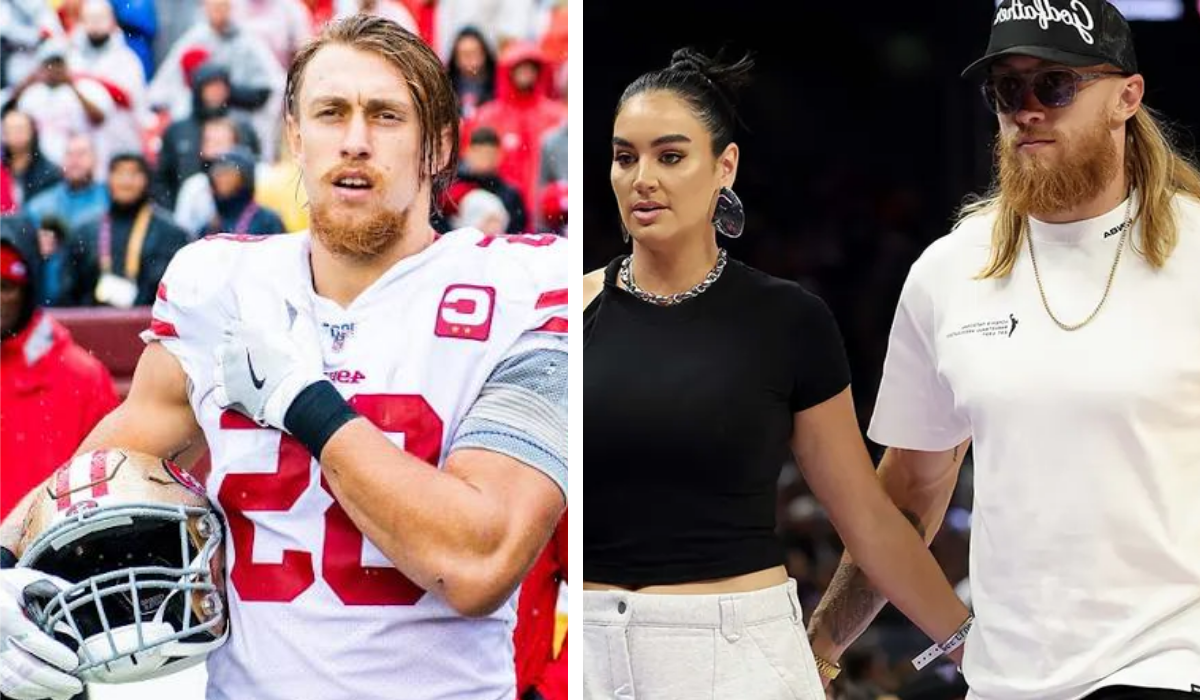
The latest George Kittle Injury update has given San Francisco 49ers fans plenty of reasons for optimism heading into the 2026 NFL season. Kittle suffered a torn right Achilles during the 49ers’ NFC wild-card playoff victory over the Philadelphia Eagles on January 11, 2026. After months of rehabilitation, he was activated from the physically unable to perform list on August 23 and returned to practice shortly afterward. His progress has been remarkably quick, creating hope that the star tight end could be available early in the regular season.
| Quick Bio | Details |
|---|---|
| Full Name | George Krieger Kittle |
| Position | Tight End |
| Team | San Francisco 49ers |
| Jersey Number | 85 |
| College | Iowa |
| Birth Date | October 9, 1993 |
| Birthplace | Madison, Wisconsin |
| Height | 6 ft 4 in |
| Weight | 250 lb |
| NFL Draft | 2017, Round 5 |
| Major Concern | Right Achilles tendon |
| Injury Date | January 11, 2026 |
| 2026 Status | Returned to practice |
| Potential Return | Early 2026 season |
George Kittle Injury Overview
The current situation centers on a ruptured right Achilles tendon suffered during the postseason. The injury occurred during San Francisco’s wild-card matchup against Philadelphia and immediately ended Kittle’s playoff run. Achilles injuries are considered significant because they can require extensive rehabilitation before an athlete can safely return to explosive movements. Kittle’s recovery has therefore attracted considerable attention across the NFL. George Kittle Injury return to practice before the regular season represents an important milestone and suggests that the rehabilitation process has progressed according to the team’s expectations.
How the Achilles Injury Happened
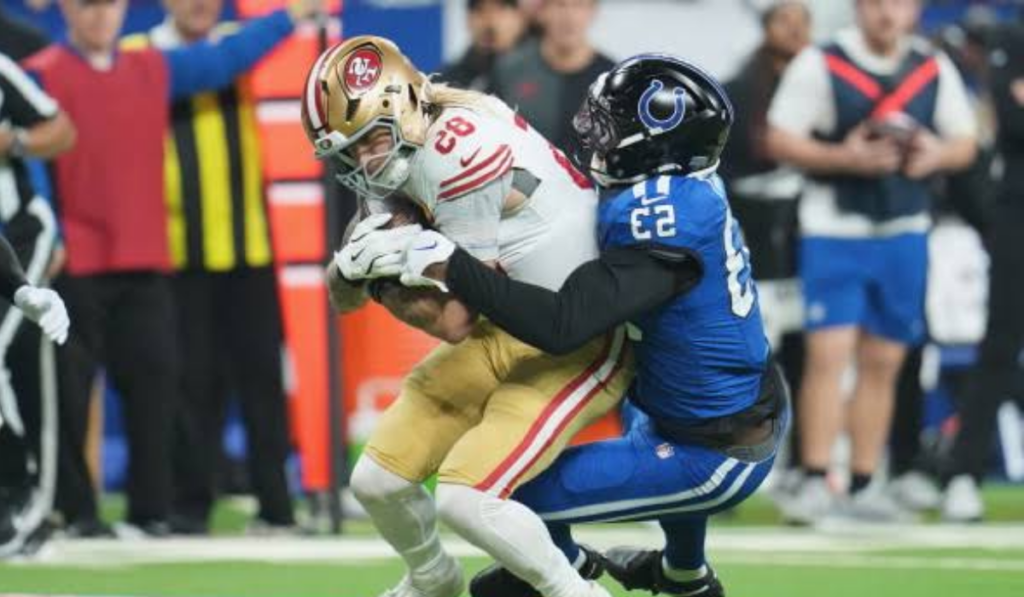
Kittle suffered the injury on January 11, 2026, during the 49ers’ playoff win over the Eagles. The timing made the setback especially difficult because San Francisco was competing in the postseason and Kittle remained one of its most important offensive weapons. A torn Achilles can affect running, jumping, acceleration and balance, all of which are essential for a modern tight end. The injury immediately shifted attention toward his recovery timeline and whether he could return during the following season.
Why the Injury Was So Serious
The Achilles tendon connects the calf muscles to the heel and plays a major role in pushing the body forward. Football players depend on that movement for sprinting, cutting, jumping and blocking. Because Kittle’s position requires him to perform all those actions, his rehabilitation needed to restore both strength and confidence. Returning too quickly could create additional complications, while excessive caution could delay his availability. The 49ers therefore had to balance Kittle’s desire to compete with the long-term importance of protecting his health.
George Kittle Injury Initial Recovery Timeline
Following the injury, expectations naturally focused on a lengthy rehabilitation process. Kittle spent much of the offseason working toward specific physical milestones rather than immediately targeting game action. By August, however, he repeatedly expressed confidence in his progress and suggested that he was ahead of schedule. The 49ers eventually activated him from the PUP list on August 23, allowing him to begin practicing. That move was a major development because players on the PUP list face restrictions that can affect their early-season availability.
Rehabilitation Has Been a Major Focus
Rehabilitation after an Achilles tear requires patience, consistency and progressive loading. Kittle has spent months rebuilding strength and movement capacity before returning to football activities. George Kittle Injury comments during training camp indicated that he and his medical team believed he had successfully reached important checkpoints. The 49ers also monitored his progression closely rather than relying solely on his enthusiasm to return. This structured approach is particularly important for a veteran player who wants to compete at an elite level throughout a long NFL season.
George Kittle Injury Returns to Practice
One of the biggest developments came on August 23, when Kittle returned to practice for the first time since the injury. He participated in individual work while wearing full pads, although he did not immediately take part in team scrimmage activities. The return came less than eight months after the Achilles injury. San Francisco described the development as a significant milestone, while teammates praised Kittle’s work ethic and determination throughout his rehabilitation.
Week 1 Return Remains Possible
The biggest question surrounding Kittle is whether he can play in the opening game of the 2026 season. He has consistently maintained Week 1 as a goal, and his removal from the PUP list keeps that possibility alive. However, activation does not automatically guarantee that a player will participate in the opener. Kittle still needs to demonstrate that he can handle football-specific movements, contact and workload. The team can also choose to take a conservative approach if coaches and medical staff believe additional preparation is necessary.
Why Week 1 Matters to the 49ers
Kittle is far more than a receiving option for San Francisco. George Kittle Injury presence affects blocking schemes, play-action opportunities and defensive assignments. When he is on the field, opposing defenses must account for his ability to threaten the middle of the field while also contributing as a blocker. George Kittle Injury availability could therefore influence the way the 49ers structure their offense at the beginning of the season. Even if his snap count is limited initially, simply having him available could provide another dimension for quarterback Brock Purdy.
Possible Return Against the Rams
San Francisco is scheduled to open the season against the Los Angeles Rams in Melbourne, Australia. The international setting adds another consideration to Kittle’s recovery because travel and preparation will be part of the team’s planning. If he is medically ready, the 49ers could decide that a controlled workload is appropriate. If they believe he needs more time, they could delay his debut. Reports in August indicated that Kittle remained hopeful of making the opener, while acknowledging that the final decision would depend on his progression.
George Kittle Injury Current Practice Status
As of the latest August 2026 reports, Kittle has moved beyond the PUP stage and returned to on-field work. George Kittle Injury first practice included individual drills rather than full team participation. That distinction is important because individual work allows coaches and medical personnel to evaluate movement without exposing the player to every element of competitive football. His subsequent progress will be watched closely. The fact that he was practicing in full pads was encouraging, but it should not be interpreted as proof that he is already ready for a full NFL workload.
What His Return Means for Brock Purdy
Kittle’s return could provide a major boost for Brock Purdy and the San Francisco passing game. The tight end has developed into one of the quarterback’s most trusted options, particularly on important downs and in the red zone. George Kittle Injury ability to work underneath coverage can also create opportunities for wide receivers outside the numbers. With Kittle back in the lineup, Purdy could have another reliable target who can gain yards after the catch and contribute to the running game through blocking.
Impact on the 49ers Offense of George Kittle Injury
The George Kittle Injury changed offseason expectations for San Francisco, but his potential return could restore an important part of the team’s offensive identity. Kittle combines physical blocking with elite receiving ability, making him difficult for defenses to replace with a single player. The 49ers have developed younger tight ends during his absence, which could ultimately benefit the roster. Once Kittle returns, the team may have greater flexibility with formations, personnel packages and matchup strategies.
Young Tight Ends Gained Experience
Kittle’s absence created opportunities for other tight ends to receive additional practice repetitions and coaching attention. That development could become valuable during the regular season because San Francisco will not necessarily want Kittle playing every snap immediately after his rehabilitation. Younger players can help handle certain blocking assignments and passing situations while his workload is gradually increased. The result could be a deeper position group than the team had before the injury.
His 2025 Production Shows His Importance
Before the injury, Kittle remained a highly productive offensive player. During the 2025 season, he recorded 57 receptions for 628 yards and seven touchdowns in 11 games. George Kittle Injury career totals entering 2026 included 595 receptions, 8,008 receiving yards and 52 touchdown catches. Those numbers demonstrate why his health is such a major storyline for San Francisco. He has also earned seven Pro Bowl selections, reinforcing his status as one of the league’s premier tight ends.
George Kittle Injury Career Achievements
Kittle entered the NFL after being selected by the 49ers in the fifth round of the 2017 NFL Draft. Since then, he has become a central part of the franchise’s offensive identity. His career includes multiple All-Pro selections, seven Pro Bowl appearances and four seasons with at least 1,000 receiving yards. George Kittle Injury combination of athleticism and physicality has helped redefine what teams can expect from the tight end position. These achievements also explain why his return is being followed so closely by fans and analysts.
Previous Injury History of George Kittle Injury
The George Kittle Injury storyline is not the first time the tight end has dealt with a significant physical setback. He has previously missed time because of injuries, including a calf issue that affected his 2021 season. Despite those challenges, he has repeatedly returned to high-level production. His history demonstrates the importance of managing workload and recovery carefully. For a veteran who plays such a physically demanding position, maintaining durability will be especially important as he continues his NFL career.
Why Kittle Wants to Return Quickly
Kittle has never been known for a passive approach to football. His competitive personality and physical playing style have made him one of the NFL’s most recognizable tight ends. Throughout rehabilitation, he has remained focused on returning to the field while also acknowledging the importance of the long season. George Kittle Injury desire to play every possible game is understandable, but the 49ers ultimately have to evaluate the bigger picture. A slightly delayed return could be preferable if it improves his chances of remaining healthy throughout the season.
Medical Clearance Is Crucial of George Kittle Injury
Being activated from the PUP list is encouraging, but medical clearance and football readiness are separate considerations. A player must be capable of performing specific movements, tolerating contact and handling the physical demands of professional competition. Coaches also need to determine whether the player’s conditioning is sufficient. Kittle’s return to practice provides an opportunity to evaluate those factors in a controlled environment. The team can increase his workload gradually while monitoring how the repaired Achilles responds.
The Importance of Football Conditioning
After months away from competitive football, conditioning becomes a major part of the comeback process. Running routes against air is different from reacting to defenders, blocking larger players and absorbing contact. Kittle therefore needs time to regain football rhythm in addition to physical strength. Practice repetitions can help him rebuild timing with Purdy and become comfortable with sudden changes of direction. This stage may determine whether he is ready for Week 1 or requires additional time before returning to game action.
Fantasy Football Impact of George Kittle Injury
Fantasy managers are also paying attention to Kittle’s recovery. When healthy, he offers a rare combination of receiving volume, touchdown potential and big-play ability at the tight end position. However, fantasy expectations should account for the possibility of a limited workload early in the season. Even if he is active, the 49ers may gradually increase his snaps. That approach could affect his early statistics while protecting him over the longer term. George Kittle Injury fantasy value may rise as his practice workload approaches normal levels.
What Fans Should Watch Next
The next important indicators will be Kittle’s participation level in practice, his ability to handle team drills and any comments from the coaching staff. Fans should pay attention to whether he begins working consistently with the first-team offense. Another important sign will be his movement quality during route running and blocking. A gradual increase in activity would generally provide more useful information than a single optimistic statement. Training-camp participation can offer valuable clues about readiness before an official game designation is announced.
Could His Workload Be Limited?
Even if Kittle is cleared for a game, the 49ers could limit his snaps. A reduced workload would allow the team to evaluate how his Achilles responds to actual competition without immediately asking him to play his usual number of snaps. Tight ends often perform a wide range of high-impact movements, so managing workload could be particularly important. A gradual return would also allow San Francisco to preserve Kittle for later stages of the season when the games become increasingly important.
Long-Term Outlook for George Kittle Injury
The George Kittle Injury does not necessarily change his long-term standing with the 49ers. George Kittle Injury production, leadership and importance to the offense remain clear. The bigger question is how effectively he can maintain his explosiveness after such a serious injury. If rehabilitation continues without setbacks, Kittle could return to being one of the NFL’s most influential tight ends. The organization will likely emphasize sustainable health rather than rushing him simply to meet an early-season target.
The Mental Side of Recovery
Physical rehabilitation is only one part of returning from an Achilles injury. Athletes also have to regain confidence in movements that once felt automatic. A tight end must be willing to accelerate, cut, jump and absorb contact without hesitation. Kittle’s competitive personality may help him through that process, but confidence still has to develop naturally. Returning to practice is an important psychological milestone because it allows him to experience football movements again after months of rehabilitation work.
Kittle’s Leadership Matters
Kittle’s value extends beyond statistics. He is a veteran presence in the 49ers locker room and an energetic leader on the field. Younger players can learn from his approach to preparation, physicality and competition. His return to practice can therefore influence the team even before he plays in a regular-season game. Teammates have already praised his determination during rehabilitation, highlighting how his work ethic has remained visible while he worked away from full football activities.
49ers Have Reason for Optimism
San Francisco has received encouraging news as Kittle’s rehabilitation progresses. The organization activated him from the PUP list before the regular-season roster deadline, making him eligible to play earlier than a player who remained on that list. Reuters reported that the move made Kittle eligible for the start of the season, including the September opener against the Rams. Still, eligibility is not the same as guaranteed participation, so his practice progression remains the most important factor.
Why Patience Could Still Be Valuable of George Kittle Injury
The George Kittle Injury recovery has moved faster than many fans might have expected, but speed should not become the only measurement of success. Achilles rehabilitation is a major undertaking, and an NFL season is long and physically demanding. The 49ers have strong reasons to protect one of their most valuable offensive players. If Kittle needs additional time, waiting could ultimately be more beneficial than forcing an early return. The goal should be a durable comeback rather than simply winning the race to Week 1.
2026 Season Expectations
If Kittle returns healthy, expectations will naturally be high. The 49ers can use him as a receiver, blocker and matchup weapon while continuing to develop other offensive players. George Kittle Injury chemistry with Purdy should also remain important. However, his early-season workload could differ from previous years as the team manages his recovery. By the middle of the season, a healthy Kittle could potentially become an increasingly important part of San Francisco’s offensive game plan.
Latest Status as of August 30, 2026 of George Kittle Injury
As of August 30, 2026, the latest available information is encouraging. Kittle has been activated from the PUP list and has returned to practice after suffering the Achilles tear in January. The 49ers have not guaranteed that he will play every early-season game, but his return to football activities keeps the possibility of an early comeback alive. The team’s approach is expected to remain cautious as Kittle rebuilds football conditioning.
Final Takeaway on His Recovery
The George Kittle Injury has been one of the most significant 49ers storylines of 2026, but the latest developments have shifted the conversation from whether he can return this season to how soon he can safely play. His activation from the PUP list and return to practice represent major milestones. Week 1 remains possible, although the final decision will depend on medical evaluations, practice performance and conditioning. For San Francisco, the ideal outcome is a healthy Kittle who can contribute throughout the season rather than a rushed comeback.
Frequently Asked Questions
1. What happened to George Kittle? – Answer: He suffered a torn right Achilles during San Francisco’s NFC wild-card playoff victory over Philadelphia on January 11, 2026.
2. Is George Kittle back at practice? – Answer: Yes. He was activated from the PUP list on August 23 and returned to practice, initially participating in individual work.
3. Can George Kittle play Week 1? – Answer: Week 1 remains possible, but activation from the PUP list does not guarantee that he will play in the season opener.
4. What injury did Kittle suffer? – Answer: Kittle suffered a ruptured right Achilles tendon during the 49ers’ playoff game against the Philadelphia Eagles.
5. Why is Kittle’s return important to the 49ers? – Answer: George Kittle Injury receiving ability, blocking skills, leadership and chemistry with Brock Purdy make him one of San Francisco’s most important offensive players.
For additional background on Kittle’s career, college football journey, NFL accomplishments and professional history, readers can explore the related. The latest recovery developments should continue to be judged through official 49ers updates and confirmed practice reports as the 2026 season approaches.