

Early Life and Childhood
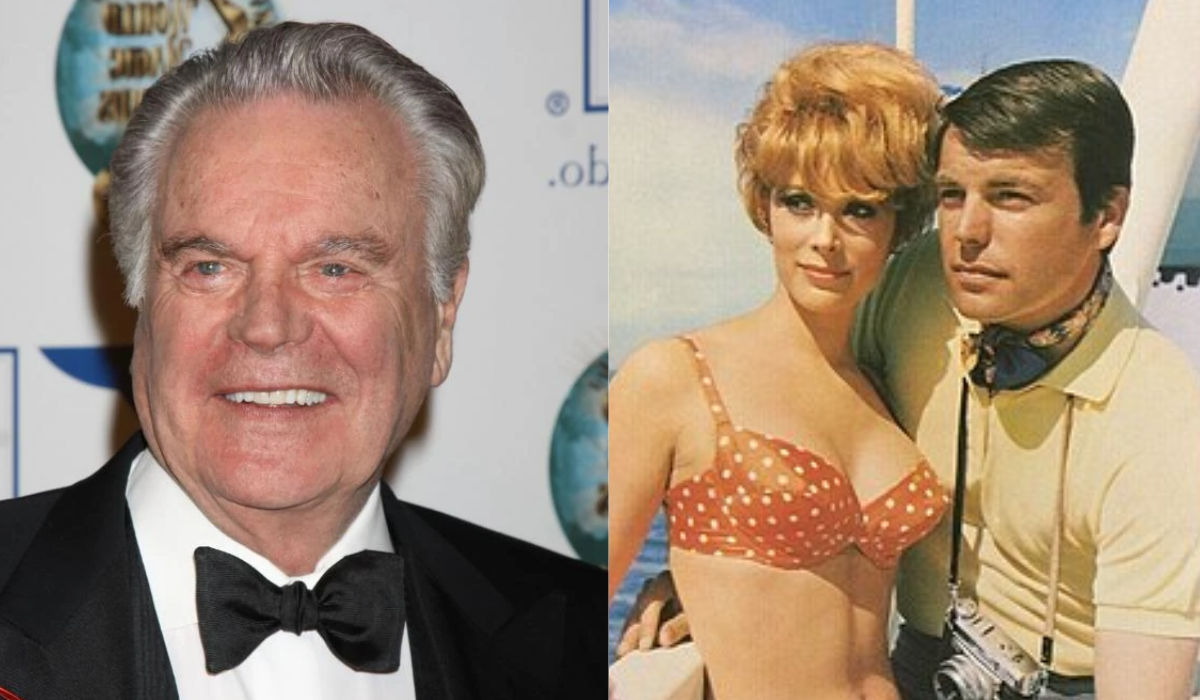
Robert Wagner was born on February 10, 1930, in Detroit, Michigan, and later moved with his family to California. His father worked as a steel executive, while young Wagner developed an early interest in entertainment. After relocating to Los Angeles, he found opportunities around Hollywood and worked various jobs while pursuing acting. His determination eventually brought him to the attention of talent scouts. According to his official biography, he was discovered while dining with his parents at a Beverly Hills restaurant, beginning a remarkable journey that would span more than seven decades.
| Quick Bio | Details |
|---|---|
| Full Name | Robert John Wagner Jr. |
| Born | February 10, 1930 |
| Birthplace | Detroit, Michigan, USA |
| Profession | Actor and Producer |
| Years Active | 1950–present |
| Famous For | Hart to Hart, It Takes a Thief, Switch |
| Notable Films | The Pink Panther, The Towering Inferno, Austin Powers |
| Spouse | Jill St. John |
| Former Spouse | Natalie Wood |
| Children | Katie Wagner, Courtney Wagner |
| Known Nickname | R.J. Wagner |
Beginning a Hollywood Career
The early career of robert-wagner developed during Hollywood’s studio era, when young performers were carefully shaped by major production companies. He signed with 20th Century Fox and received opportunities in several films. His early appearances allowed him to learn from established stars while developing confidence in front of the camera. Although some roles were small, they helped him gain recognition and demonstrate versatility. His performance in With a Song in My Heart attracted attention from studio executives and showed that he could handle dramatic material as well as conventional romantic roles.
Breakthrough on the Big Screen
One of the major early achievements of robert-wagner was his ability to move beyond supporting appearances and become a recognizable leading man. Films such as Prince Valiant and The True Story of Jesse James helped establish his screen image during the 1950s. He also worked with respected performers including Spencer Tracy, gaining valuable professional experience. His performances combined youthful charm with a polished presence that suited the era’s studio productions. These opportunities helped transform him from a promising newcomer into a familiar Hollywood personality with a growing audience.
Prince Valiant and Early Stardom
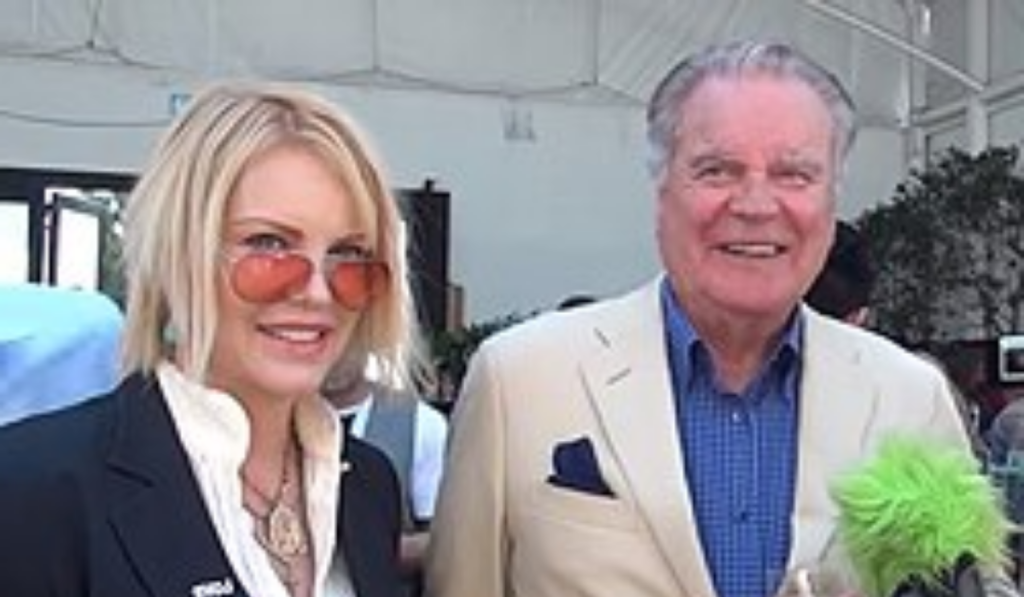
The title role in Prince Valiant became an important milestone for robert-wagner. The 1954 adventure film gave him an opportunity to carry a major production and strengthened his reputation as a leading actor. During this period, Hollywood studios often promoted young performers through glamorous publicity campaigns, and Wagner became associated with the sophisticated image expected of a leading man. Robert Wagner career continued expanding as he accepted different genres and worked alongside established actors. The experience also prepared him for later roles that required greater emotional range and more mature performances.
Working With Hollywood Legends
Throughout his career, robert-wagner had the opportunity to work with some of the most respected names in American cinema. Spencer Tracy was particularly important to his professional development, with Wagner appearing alongside him in Broken Lance and The Mountain. These experiences provided lessons in discipline, timing, and screen presence. Wagner also worked with stars such as Steve McQueen, Fred Astaire, and many other major performers. His ability to remain effective among experienced actors contributed to his longevity and helped him build a reputation as a dependable professional.
The Pink Panther Experience
The Pink Panther became another memorable chapter in robert-wagner’s film career. Released in 1963, the comedy placed him within a celebrated ensemble and allowed audiences to see a lighter side of his performance style. The production was also notable for a difficult accident involving a bathtub scene, after which Wagner temporarily lost his sight. Despite the challenge, he completed the film. Robert Wagner association with The Pink Panther later became part of a larger film legacy that included both serious dramatic performances and comedy.
Career Challenges in the 1960s
The path of robert-wagner was not always smooth. After several successful film appearances, his movie career slowed during the middle of the 1960s. Like many performers of his generation, he faced changing studio priorities and shifting audience tastes. Instead of allowing the setback to end his career, he explored television, a decision that eventually transformed his professional future. His willingness to adapt demonstrated an important quality: longevity often requires recognizing new opportunities when an established career path becomes uncertain.
Television Brings a New Opportunity of Robert Wagner
Television became a major turning point for robert-wagner. In 1968, he took the leading role of Alexander Mundy in It Takes a Thief, a stylish espionage series. The program allowed him to combine charm, comedy, action, and drama in a format that reached audiences regularly. The role became one of his signature television performances and earned him an Emmy nomination. Robert Wagner success demonstrated that television could provide an established film actor with a powerful second chapter rather than simply serving as a fallback option.
Success With It Takes a Thief
The popularity of It Takes a Thief strengthened robert-wagner’s reputation as a television star. Robert Wagner portrayal of Alexander Mundy showcased a sophisticated character who used his criminal skills in service of government missions. Wagner’s relaxed screen presence made the character particularly memorable. The series also reunited him professionally with Fred Astaire, adding another important connection to Hollywood’s golden generation. The program helped establish a template for the charming, clever television hero that Wagner would successfully revisit in later projects.
The Switch Years
Following It Takes a Thief, robert-wagner continued building his television profile with Switch. The series premiered in the 1970s and featured Wagner as Pete Ryan, a former con man who became involved in detective work. The premise gave him another opportunity to combine humor, action, and mystery. Working with performers such as Eddie Albert and Sharon Gless, he remained a strong presence in an ensemble environment. Switch demonstrated that his television success was not dependent on a single character and that he could transition between different types of roles.
Hart to Hart Becomes a Classic of Robert Wagner
For many viewers, robert-wagner is most strongly associated with Hart to Hart. Premiering in 1979, the series paired Wagner with Stefanie Powers as Jonathan and Jennifer Hart, a wealthy married couple who repeatedly became involved in mysteries. The show’s combination of glamour, romance, humor, and crime-solving proved highly popular. Wagner’s portrayal of Jonathan Hart became one of his defining performances. The series ran through 1984 and later inspired television movies, reinforcing its lasting place in popular culture.
Chemistry With Stefanie Powers
The partnership between robert-wagner and Stefanie Powers became central to the appeal of Hart to Hart. Their characters were presented as a sophisticated couple whose relationship remained affectionate while they investigated unusual cases. Their professional chemistry helped make the show distinctive. Wagner and Powers later continued their association through stage work, including performances of Love Letters. Their friendship and professional collaboration became one of the enduring relationships associated with Wagner’s career.
A Versatile Film Performer of Robert Wagner
Beyond television, robert-wagner maintained a substantial film career. Robert Wagner credits include The Towering Inferno, Harper, The Concorde… Airport ’79, Dragon: The Bruce Lee Story, and several other productions. Rather than being limited to one genre, he appeared in dramas, thrillers, comedies, adventure films, and large-scale productions. This range allowed him to remain relevant as Hollywood changed. Robert Wagner filmography reflects an actor who repeatedly adjusted his style according to the demands of different projects.
The Towering Inferno Legacy
The Towering Inferno was an important large-scale production featuring robert-wagner among a celebrated ensemble cast. The 1974 disaster movie brought together numerous major performers and became one of the best-known films of its genre. Wagner’s participation connected him with the era’s ambitious Hollywood productions that relied on large casts and spectacular storytelling. The movie remains a notable entry in his filmography and demonstrates his ability to contribute to major ensemble projects alongside some of the industry’s biggest stars.
Austin Powers Introduces a New Generation
A later career highlight for robert-wagner came through comedy. In Austin Powers: International Man of Mystery, he played Number Two, the memorable henchman of Dr. Evil. He reprised the role in subsequent Austin Powers films, introducing his talents to younger audiences who may not have grown up watching his earlier work. The character became a playful contrast to his polished leading-man image. Robert Wagner willingness to embrace parody showed that he could laugh at the glamorous persona that had defined portions of his earlier career.
Television Appearances in Later Years
The television career of robert-wagner continued long after Hart to Hart ended. He appeared in a variety of programs, including Two and a Half Men and NCIS. Robert Wagner recurring appearances on NCIS introduced him to another generation of viewers through the role of Anthony DiNozzo Sr. His continued presence on television reflected an impressive ability to remain recognizable while adapting to modern formats. Robert Wagner career therefore connects several different eras of American television, from classic network series to contemporary procedural and sitcom programming.
Connection With NCIS
The role of Anthony DiNozzo Sr. became another notable chapter for robert-wagner. Appearing opposite the show’s regular cast, he brought humor, confidence, and emotional warmth to the character. Robert Wagner appearances helped demonstrate that veteran actors could become meaningful parts of long-running modern franchises. For viewers familiar with Wagner’s earlier career, NCIS also offered an opportunity to see him in a contemporary setting. The character became a memorable recurring presence rather than simply a nostalgic guest appearance.
Marriage to Natalie Wood of Robert Wagner
The personal life of robert-wagner has long attracted public attention, particularly his relationship with actress Natalie Wood. The pair first married in 1957, divorced in 1962, and later reunited and remarried in 1972. They had a daughter, Courtney, during their second marriage. Their relationship became one of Hollywood’s most closely followed romances, partly because both were major stars. Their story included periods of separation, reconciliation, family life, and ultimately profound tragedy following Wood’s death in 1981.
Natalie Wood’s Death and Lasting Questions
The death of Natalie Wood remains one of the most discussed mysteries connected with robert-wagner. Wood drowned near California’s Catalina Island in November 1981 after disappearing from the yacht Splendour. The circumstances surrounding her death have been the subject of investigations, books, documentaries, and extensive media coverage. The Los Angeles County Sheriff’s Department reopened the investigation in 2011. It is important to distinguish documented facts from speculation, as many claims surrounding the case have circulated for decades.
Marriage to Jill St. John of Robert Wagner
After Natalie Wood’s death, robert-wagner eventually began a relationship with actress Jill St. John. They married in 1990 and have remained together for decades. St. John has also enjoyed a successful entertainment career, including her appearance in the James Bond film Diamonds Are Forever. Their long marriage has become an important part of Wagner’s later personal story. Together, they have participated in charitable activities, stage performances, travel, and family occasions, maintaining a partnership away from the intensity of Hollywood’s earlier spotlight.
Family and Children
Family has remained important throughout robert-wagner’s later life. He has daughters Katie and Courtney, while Natasha Gregson Wagner is his stepdaughter from his marriage to Natalie Wood. His extended family has included performers, designers, and other creative professionals. Robert Wagner official biography also highlights his grandchildren and his close relationship with Jill St. John. These family connections have helped shape his identity beyond acting, showing a personal side that is often less visible than his professional achievements.
Books and Personal Reflections of Robert Wagner
In addition to acting, robert-wagner has shared his experiences through writing. Robert Wagner memoir Pieces of My Heart was published in 2008 and offered reflections on Hollywood, relationships, career experiences, and personal memories. He later co-authored You Must Remember This: Life and Style in Hollywood’s Golden Age, published in 2014. These books provide another perspective on his long journey through the entertainment industry. They also demonstrate his interest in preserving memories from an era of Hollywood that has largely disappeared.
Stage Performances and Love Letters
The stage became another creative outlet for robert-wagner. He toured internationally with Stefanie Powers in A.R. Gurney’s Love Letters, a production centered on the correspondence and emotional connection between two characters. Wagner later continued performing the play with Jill St. John for charitable events and other engagements. This work demonstrated that his talents extended beyond film and television. Stage performance also provided an intimate environment where audiences could experience his personality and storytelling abilities more directly.
Passion for Golf
Outside entertainment, robert-wagner has maintained a longstanding interest in golf. Robert Wagner official biography describes him as a serious golfer who once held a five handicap and even competed against professional golfer Sam Snead. Golf provided him with an activity away from cameras and production schedules. His enthusiasm for the sport also reflects a broader aspect of his personality: despite spending decades in an industry built around public attention, he has maintained personal interests outside acting and filmmaking.
Style and Hollywood Image of Robert Wagner
The public image of robert-wagner has often been connected with sophistication, charm, and classic Hollywood style. Robert Wagner polished appearance and smooth voice helped establish a recognizable screen identity. He frequently portrayed wealthy, confident, or refined characters, particularly in later television work. Yet his filmography also includes villains, dramatic characters, comedic roles, and action-oriented performances. This contrast helped prevent his image from becoming completely one-dimensional and allowed audiences to see different sides of his acting abilities.
Career Longevity and Adaptability
One of the most impressive aspects of robert-wagner’s career is its longevity. He began working professionally in the early 1950s and continued appearing in entertainment projects across multiple generations. His journey moved from studio films to television dramas, from classic detective programs to modern sitcoms and procedural series. He also explored stage performance and writing. This adaptability is a major reason his name remains familiar decades after his earliest appearances. His career offers an example of how reinvention can help sustain relevance in a rapidly changing entertainment industry.
Influence on Popular Culture of Robert Wagner
The legacy of robert-wagner extends beyond individual performances. Characters such as Alexander Mundy and Jonathan Hart became recognizable examples of the stylish television hero. Number Two from Austin Powers provided a humorous reinterpretation of the classic sophisticated villain. Later appearances on NCIS introduced his personality to audiences unfamiliar with his earliest work. Robert Wagner career therefore represents several phases of popular entertainment. Few performers have successfully moved between classic studio cinema, television dramas, comedy franchises, stage productions, and modern television with such consistency.
Awards and Recognition
Although robert-wagner did not build his reputation primarily around major award wins, his career has received recognition from the entertainment industry. He earned a Primetime Emmy nomination for It Takes a Thief and received multiple other nominations during his long career. His greatest achievement may instead be his sustained audience recognition. Remaining professionally active across seven decades is itself an extraordinary accomplishment, particularly in an industry where many careers fade after only a few years.
What Makes His Career Inspiring
The story of robert-wagner is inspiring because it includes both remarkable successes and difficult professional periods. He experienced the excitement of becoming a young Hollywood star, the uncertainty of career setbacks, and the opportunity to rebuild through television. He later found success in comedy and contemporary television. Robert Wagner willingness to accept new challenges allowed him to remain part of the entertainment conversation across generations. Robert Wagner career illustrates that success is not always a straight line and that resilience can be just as important as early recognition.
A Legacy Across Generations of Robert Wagner
The lasting legacy of robert-wagner can be seen in the variety of audiences who recognize his work. Older viewers may remember him from classic films and Hart to Hart, while younger audiences may know him from Austin Powers or NCIS. Robert Wagner career demonstrates how a performer can remain culturally relevant by embracing different forms of entertainment. His official biography states that he has appeared in more than 100 films and hundreds of television appearances across a career lasting more than 70 years.
Life in 2026
As of 2026, robert-wagner is 96 years old and remains an enduring figure in Hollywood history. Recent coverage has reflected on his extraordinary career, family, and decades in entertainment. Robert Wagner public legacy now encompasses classic cinema, television history, comedy, stage work, books, and family memories. Rather than being remembered for only one production, he represents an entire era of American entertainment. Robert Wagner continued recognition demonstrates the strength of a career built through adaptability, professionalism, and an ability to connect with audiences over many decades.
Final Thoughts on His Hollywood Journey
The story of robert-wagner is ultimately a story of endurance, reinvention, and remarkable longevity. From Detroit childhood beginnings to Hollywood leading roles, successful television series, memorable comedy performances, stage work, and later television appearances, his career has covered an extraordinary range. Robert Wagner professional journey also includes personal triumphs and difficult chapters that shaped public interest in his life. For fans exploring classic Hollywood, his work provides a valuable window into changing entertainment styles and generations of performers.
Robert Wagner influence remains especially visible through Hart to Hart, It Takes a Thief, Switch, The Pink Panther, The Towering Inferno, Austin Powers, and NCIS. Each project contributed something different to his public image. Robert Wagner ability to move between genres allowed him to remain recognizable long after many of his contemporaries had left the screen. Robert Wagner career is therefore more than a list of credits; it is a record of Hollywood’s changing culture.
For readers who want additional background, the related provides another reference point for exploring his biography, filmography, television career, and personal history.
Frequently Asked Questions
1. Who is robert-wagner?
- robert-wagner is an American actor and producer known for major film and television roles, especially Hart to Hart, It Takes a Thief, Switch, and the Austin Powers films.
2. When was robert-wagner born?
- He was born on February 10, 1930, in Detroit, Michigan.
3. What is robert-wagner best known for?
- He is particularly famous for playing Jonathan Hart in Hart to Hart and Alexander Mundy in It Takes a Thief, while later audiences also recognize him as Number Two in Austin Powers.
4. Who is robert-wagner married to?
- He has been married to actress Jill St. John since 1990. He was previously married to Natalie Wood and Marion Marshall.
5. How long has robert-wagner worked in entertainment?
- His professional career began around 1950 and has extended across more than seven decades, including film, television, stage performances, and writing.