


The story behind Mayme Hatcher Johnson Daughter explores the family life of Mayme Hatcher Johnson, the wife of famous Harlem crime figure Ellsworth “Bumpy” Johnson. Mayme and Bumpy had a daughter named Ruthie Johnson, while Bumpy also had another daughter, Elease Johnson, from an earlier relationship. Their family history remains a subject of public interest because of Bumpy’s reputation, Mayme’s memoir, and the limited information available about their daughters.r
| Quick Bio Detail | Information |
|---|---|
| Mother | Mayme Hatcher Johnson |
| Father | Ellsworth “Bumpy” Johnson |
| Daughter | Ruthie Johnson |
| Stepfamily connection | Elease Johnson |
| Father’s profession | Harlem crime figure |
| Parents’ marriage | 1948 |
| Father’s death | 1968 |
| Mother’s death | May 1, 2009 |
| Mother’s memoir | Harlem Godfather: The Rap on My Husband, Ellsworth “Bumpy” Johnson |
| Family background | Harlem, New York |
1. Who Was Mayme Hatcher Johnson Daughter?
Mayme Hatcher Johnson was an American woman best known for her marriage to Bumpy Johnson and her later work documenting his life. Born in North Carolina in 1914, she moved to New York in 1938 and eventually became part of Harlem’s social history. Mayme Hatcher Johnson Daughte marriage placed her close to a well-known figure in the city’s underworld, but her own identity extended beyond that association. In 2008, she published a memoir with author Karen E. Quinones Miller, offering personal recollections of her husband and their life together.
2. Who Was Her Mayme Hatcher Johnson Daughte?

The best-known daughter associated with Mayme Hatcher Johnson was Ruthie Johnson. She was the biological daughter of Mayme and Bumpy Johnson, according to biographical accounts. However, very little reliable public information documents Ruthie’s childhood, education, career, or private relationships. This lack of detail means that many online biographies provide only a brief account of her life. Readers searching for information about her should distinguish documented family connections from unsupported claims circulated on entertainment websites.
3. Understanding Ruthie Johnson’s Family Background
Ruthie grew up connected to a family that attracted considerable public attention because of her father’s reputation. Bumpy Johnson was associated with Harlem’s illegal gambling networks and other criminal activities during the twentieth century. Her mother, meanwhile, later became an author and a source of personal recollections about their household. Although this background helps explain public interest in the family, it does not establish every detail of Ruthie’s personal experiences. A responsible account focuses on the documented relationships rather than inventing private stories about her upbringing.
4. Who Was Bumpy Johnson?
Ellsworth Raymond “Bumpy” Johnson was born on October 31, 1905, in Charleston, South Carolina. He later became a prominent figure in Harlem’s criminal underworld and remained associated with the neighborhood for decades. His life included imprisonment, conflicts with other underworld figures, and a lasting reputation that inspired films and television productions. He married Mayme Hatcher in 1948 and died in New York City on July 7, 1968. His public notoriety continues to influence how people research his wife, daughters, and wider family.
5. Mayme and Bumpy Johnson’s Marriage
Mayme and Bumpy married in October 1948, several months after meeting in Harlem. Their relationship lasted until his death in 1968. Mayme later described aspects of their life together in her memoir, giving readers a perspective that differs from crime-focused accounts of Bumpy’s career. Their marriage is an important part of the family story because it connects Mayme to Ruthie and to Bumpy’s wider family. Nevertheless, details about the couple’s private family arrangements should be treated carefully when sources disagree.
6. Who Was Elease Johnson?
Elease Johnson was Bumpy Johnson’s daughter from an earlier relationship and was Mayme’s stepdaughter. Some online sources confuse her relationship with Mayme, so it is important to separate biological parentage from family relationships formed through marriage. Elease is frequently mentioned alongside Ruthie in accounts of the Johnson family. However, detailed and independently verified information about her life remains limited. The distinction between the two daughters is essential for anyone researching the family’s history or writing an accurate biography.
7. Were Ruthie and Elease Sisters?
Ruthie and Elease belonged to the same wider family through Bumpy Johnson, but their maternal relationships were different. Ruthie was Mayme’s daughter, while Elease was Bumpy’s daughter from a previous relationship. Mayme therefore became Elease’s stepmother after marrying Bumpy. The sisters’ family connection is regularly discussed in online biographies, although information about their childhood and personal relationship is scarce. Understanding these distinctions prevents confusion in articles that describe the Johnson family and its history.
8. What Happened to Ruthie Johnson?
Published accounts report that Mayme Hatcher Johnson died in 2006. However, reliable public reporting about her final years and the circumstances surrounding her death is limited. Some websites repeat details without providing clear documentation, making it difficult to establish a complete account. For that reason, it is better to acknowledge the reported year of her death without presenting unverified explanations as established facts. Her story remains an important part of the Johnson family history, even though much of her personal life stayed outside the public spotlight.
9. What Happened to Elease Johnson?
Reports also place Elease Johnson’s death in 2006. Some secondary accounts suggest substance-related complications, but such details should be treated cautiously unless supported by reliable reporting or official records. Her life is often discussed because of her father’s reputation and the public’s interest in the family behind his name. Yet a famous parent does not mean that every detail of a child’s life is publicly documented. The available information supports describing her family connection while avoiding sensational claims about her private struggles.
10. Did Mayme Raise Both Daughters?
Mayme was Ruthie’s mother and Elease’s stepmother, but detailed records of their household arrangements are limited. Biographical sources identify both women as part of Bumpy Johnson’s family, yet they do not consistently explain how responsibilities were divided during different periods. It would therefore be inaccurate to state specific details about their upbringing without stronger evidence. What can be said is that their family relationships form an important part of Mayme’s story and help explain why readers continue to research her children.
11. Mayme Johnson’s Early Life
Mayme Hatcher was born near Durham, North Carolina, in 1914, according to biographical material published alongside her memoir. She moved to New York in 1938, during a period when Harlem was an important center of African American culture, music, and community life. Her early employment included work as a cleaner and restaurant hostess. These experiences preceded her marriage to Bumpy and show that her life story began well before she became associated with a famous Harlem figure.
12. Life in Harlem
Harlem played a central role in the Johnson family’s history. During the twentieth century, the neighborhood developed a rich cultural identity through music, literature, business, and community organizations. It was also affected by organized crime and illegal gambling networks. Bumpy Johnson became one of the most recognizable figures associated with the area’s criminal history, while Mayme experienced its social world through work, friendships, and family life. Their story reflects the complexity of a neighborhood that cannot be understood through crime stories alone.
13. Mayme’s Career Before Marriage
Before meeting Bumpy, Mayme worked in hospitality, including at a restaurant connected with singer and actress Ethel Waters. Her work brought her into the social environment of New York City during an era of significant cultural activity. These early experiences are documented more clearly than many details about her daughter’s private life. They also help explain why Mayme should be remembered as an individual with her own experiences, rather than solely as the wife of a notorious figure.
14. How Mayme Met Bumpy Johnson
Mayme met Bumpy in 1948 after he returned from a lengthy period of imprisonment. Accounts published by The Philadelphia Inquirer describe their meeting at a Harlem restaurant and the relationship that followed. They married later that year. Although retellings sometimes add dramatic details, the strongest accounts establish the basic timeline without requiring speculation. Their meeting marked a turning point in Mayme’s life and created the family connection that later brought attention to Ruthie and Elease.
15. Bumpy Johnson’s Criminal Reputation
Bumpy Johnson gained notoriety through his association with Harlem’s underworld, including illegal gambling and narcotics activity. His criminal reputation contributed to his public image, but it also meant that stories about him were often shaped by sensational reporting and later entertainment adaptations. Understanding his history requires distinguishing documented criminal cases from legends that grew around his name. This context matters when examining his daughters because the public’s curiosity about their lives often begins with their father’s reputation rather than their own achievements or experiences.
16. Family Life During Bumpy’s Imprisonment
Bumpy’s periods of imprisonment affected the family’s circumstances. In 1954, he received a 15-year sentence connected to a narcotics conspiracy conviction, although he was later released on parole in 1963. Mayme’s memoir offers personal recollections of their marriage and the challenges of living alongside a man whose life involved criminal activity and incarceration. The available evidence does not provide a complete account of how these events affected Ruthie personally, so claims about her emotional experiences should not be presented as fact.
17. Mayme Johnson as an Author
One of the most significant achievements of Mayme’s later life was becoming a published author. In 2008, she released Harlem Godfather: The Rap on My Husband, Ellsworth “Bumpy” Johnson, written with Karen E. Quinones Miller. The book presented personal recollections of her husband and their life together. It also helped preserve a perspective that could not be found solely in newspaper coverage of criminal cases. Her decision to publish the memoir in her nineties became a notable part of her personal legacy.
18. Why Her Memoir Matters
Mayme’s memoir is valuable because it offers a perspective from someone who knew Bumpy personally. Newspaper reports, legal records, and historical summaries explain aspects of his public life, while a memoir can provide insight into everyday relationships and memories. However, memoirs also represent an individual’s recollections and should be considered alongside other sources. Readers researching the family can use the book to understand Mayme’s perspective while recognizing that it does not necessarily answer every question about her daughters or later generations.
19. Mayme’s Later Years
After Bumpy died in 1968, Mayme continued living for decades. She eventually moved from Harlem to Philadelphia, where she spent her later years. Her memoir was published in 2008, and she died on May 1, 2009, at the age of 94. Her long life allowed her to document memories of a period that had become part of Harlem’s history. Her later years are particularly significant because she transformed personal experiences into a published account for future readers.
20. Mayme’s Grandchildren
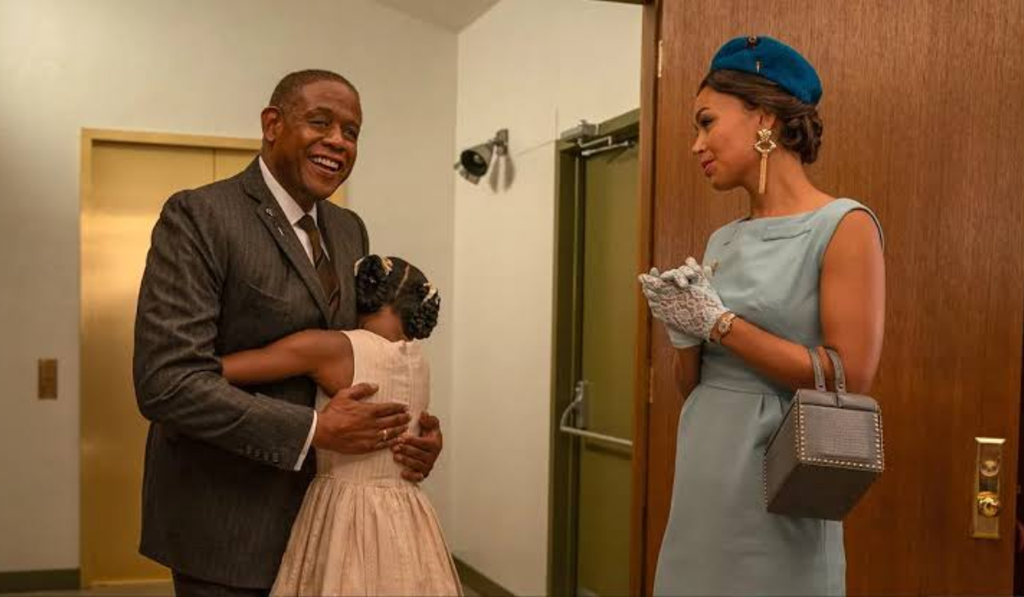
Mayme’s family extended into another generation. Her obituary identified a granddaughter, Margaret Johnson, and a grandson, Anthony Johnson, among her surviving relatives. These family connections are mentioned in reports about her death and provide a useful starting point for understanding the family’s later generations. However, public information about descendants is limited, and not every online account provides consistent details. It is best to rely on published obituaries and well-supported reporting rather than assume that every person with the Johnson surname belongs to the same family.
21. Margaret Johnson’s Connection to the Family
Margaret Johnson is identified in published accounts as a granddaughter of Mayme and Bumpy. Some later articles describe her as a distinctive figure in Harlem, but details about her life vary in quality across sources. When researching her, readers should prioritize contemporary reporting and family records wherever available. Her connection is relevant because it demonstrates that the Johnson family’s story continued beyond the two daughters. Nevertheless, claims about individual descendants should be verified separately rather than inferred from family relationships alone.
22. The Family’s Place in Harlem History
The Johnson family remains part of wider discussions about Harlem’s twentieth-century history. Bumpy’s reputation brought public attention, while Mayme’s memoir added a personal account of life alongside him. Ruthie and Elease are remembered mainly through family biographies, as relatively little information about their individual lives is publicly available. This imbalance highlights a common problem in historical research: famous figures often receive extensive coverage, while their relatives remain less documented. Responsible writing acknowledges both what is known and what remains uncertain.
23. How Television Portrays the Johnson Family
The television series Godfather of Harlem dramatizes aspects of Bumpy Johnson’s life and his relationships. Such productions can introduce historical figures to new audiences, but they may change timelines, combine events, or invent scenes for dramatic effect. Viewers should therefore avoid treating every storyline as a historical record of Mayme, Ruthie, or Elease. The series is best understood as entertainment inspired by real people, while biographies, obituaries, and Mayme’s memoir provide a stronger starting point for factual research.
24. Separating Historical Facts From Online Rumors
Online biographies often repeat claims without explaining where the information originated. This can lead to confusion about family relationships, death dates, personal histories, and financial details. A reliable article should compare independent sources, give priority to obituaries and contemporary reporting, and clearly label uncertain information. In this family’s case, the distinction between Ruthie and Elease is especially important. Readers should also be cautious about unsupported claims concerning net worth, private relationships, and personal circumstances that are not established by credible documentation.
25. Why Readers Continue Searching for Her Daughter
Public interest in Mayme’s family continues because her husband became a recognizable historical figure and her memoir offered a personal perspective on his life. Readers naturally want to know what happened to his children and grandchildren. However, interest does not mean that every family member had a public career or left extensive records. The most useful biographies provide verified relationships, basic timelines, and clear explanations of what remains unknown. This approach gives readers meaningful information without turning gaps in the historical record into invented stories.
26. What Made Mayme Johnson’s Story Different?
Mayme’s story stands apart because she chose to record her memories instead of allowing her identity to be defined entirely by her husband’s notoriety. Her memoir helped readers explore the personal side of a man usually discussed through crime reports and historical accounts. Publishing a book at the age of 93 also demonstrated her determination to share her experiences late in life. Her legacy therefore includes both her family connections and her contribution to preserving memories of Harlem during a transformative period.
27. The Importance of Accurate Family Biographies
Accurate family biographies help readers understand historical relationships without confusing fact with speculation. In the Johnson family’s case, the available sources identify Ruthie as Mayme’s daughter and Elease as Bumpy’s daughter from an earlier relationship. They also report that both women died in 2006. Beyond those basic facts, information about their personal lives remains limited. A thoughtful biography respects those limitations and avoids presenting rumors as established history. This approach is particularly important when discussing relatives who did not actively seek public attention.
28. What Can Be Learned From the Johnson Family?
The Johnson family story illustrates how one person’s public reputation can influence the way an entire family is remembered. Bumpy became famous for his criminal activities, while Mayme preserved her own perspective through writing. Their daughters, however, left a much smaller public record. This difference reminds readers that historical visibility does not necessarily reflect a person’s importance within a family. Examining multiple sources helps build a more balanced understanding of the people behind a well-known historical name.
29. Where Can Readers Find More Information?
Readers interested in learning more can begin with Mayme’s memoir and contemporary newspaper obituaries. These materials provide useful background about her marriage, her later life, and her family relationships. The Wikipedia biography of Bumpy Johnson is another starting point for general information about his background, criminal history, marriage, and children. Because online encyclopedias can change and may summarize information from other publications, readers should also consult the original reporting cited in their references. Comparing sources helps clarify details that remain disputed or incomplete.
30. The Lasting Legacy of Mayme Hatcher Johnson
Mayme Hatcher Johnson died in 2009, but her memoir continues to offer a personal perspective on Harlem’s history and her relationship with Bumpy Johnson. Her daughter Ruthie and stepdaughter Elease remain part of that family story, although reliable information about their individual lives is limited. Understanding their relationships requires separating documented facts from unsupported claims. For readers researching the family, the most valuable approach is to use trustworthy biographies, published obituaries, and historical records to build an accurate picture of their lives and connections.
Frequently Asked Questions
1. Who was Mayme Hatcher Johnson’s daughter?
– Her daughter was Ruthie Johnson, whom she had with Ellsworth “Bumpy” Johnson.
2. Did Bumpy Johnson have another daughter?
– Yes, Bumpy also had a daughter named Elease Johnson from an earlier relationship. Elease was Mayme’s stepdaughter.
3. What happened to Ruthie Johnson?
– Published biographical accounts report that Ruthie died in 2006, but detailed information about her life and death is limited.
4. When did Mayme Hatcher Johnson die?
– Mayme died on May 1, 2009, at the age of 94 in Philadelphia, Pennsylvania.
5. Did Mayme Hatcher Johnson write a book?
– Yes, she co-wrote Harlem Godfather: The Rap on My Husband, Ellsworth “Bumpy” Johnson, published in 2008 with Karen E. Quinones Miller.