


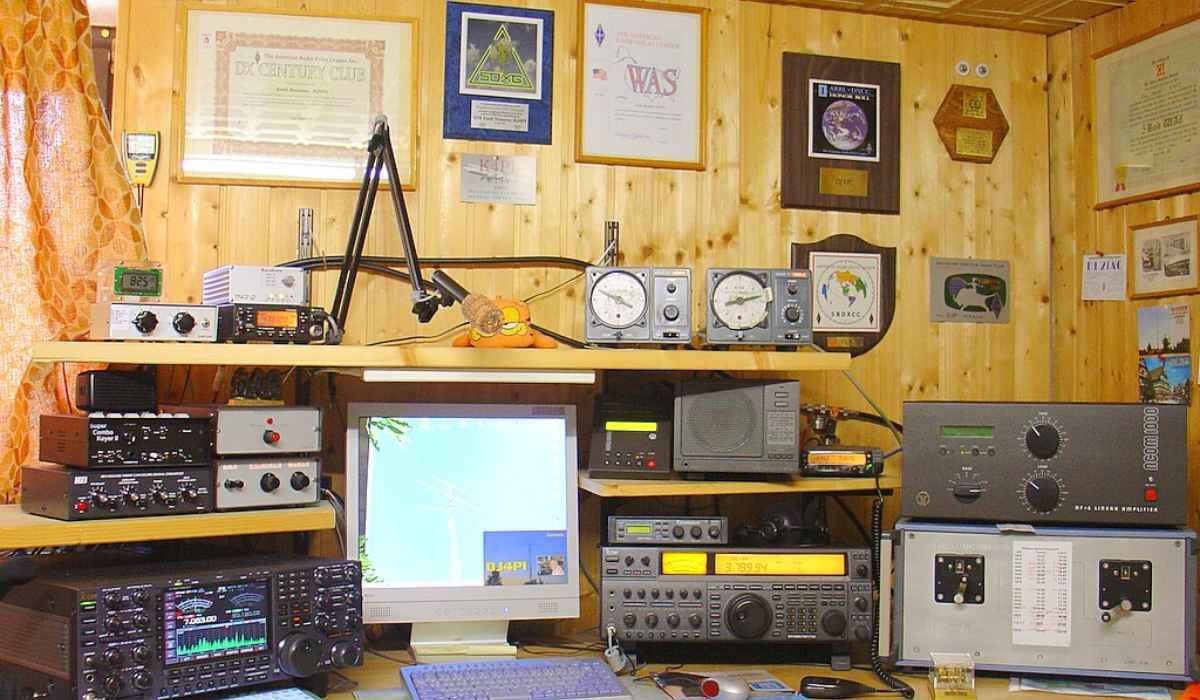
Radio stations have played an important role in communication, entertainment, education, and news sharing for generations. They connect people through music, discussions, interviews, live programs, and important announcements. Even with the growth of smartphones, streaming platforms, and social media, traditional broadcasting remains a valuable source of information and entertainment. From local community broadcasts to international music channels, radio continues to bring people together. Understanding how broadcasting works, what types of stations exist, and how listeners can access their favorite programs helps explain why this medium remains relevant in the modern digital world.
Quick Biography Table
| Category | Details |
|---|---|
| Topic | Radio Stations |
| Industry | Media and Broadcasting |
| Main Purpose | Entertainment and Communication |
| Popular Formats | Music, News, Sports, Talk Shows |
| Broadcasting Methods | AM, FM, Digital, Online |
| Target Audience | Local and International Listeners |
| Main Technology | Transmitters and Receivers |
| Modern Platforms | Traditional Radio and Internet |
1. What Are Radio Stations?
Radio stations are broadcasting services that transmit audio content to listeners through radio frequencies or internet connections. Their programming can include music, news, interviews, educational discussions, weather reports, and entertainment shows. Some serve particular cities, while others reach national or international audiences. They operate through broadcasting equipment, studios, presenters, producers, and technical teams. Listeners can enjoy programs using traditional receivers, car audio systems, smartphones, computers, and smart speakers.
2. History of Radio Broadcasting
Radio broadcasting developed through scientific discoveries involving electromagnetic waves and wireless communication. Early experiments demonstrated that information could travel without physical cables. During the twentieth century, broadcasting became increasingly popular in homes and public spaces. Families gathered around receivers to hear news, music, dramas, and special announcements. Over time, technological improvements introduced clearer sound, wider coverage, and more specialized programming, transforming radio into an important part of everyday life.
3. How Radio Broadcasting Works
Radio broadcasting begins when audio content is created inside a studio. Microphones capture voices, while computers and mixing equipment organize music and recorded material. A transmitter converts the audio signal into a broadcast signal that travels through electromagnetic waves. Compatible receivers capture the signal and convert it back into sound. Internet broadcasting follows a different process because audio travels through digital networks instead of traditional radio frequencies.
4. Different Types of Radio Stations
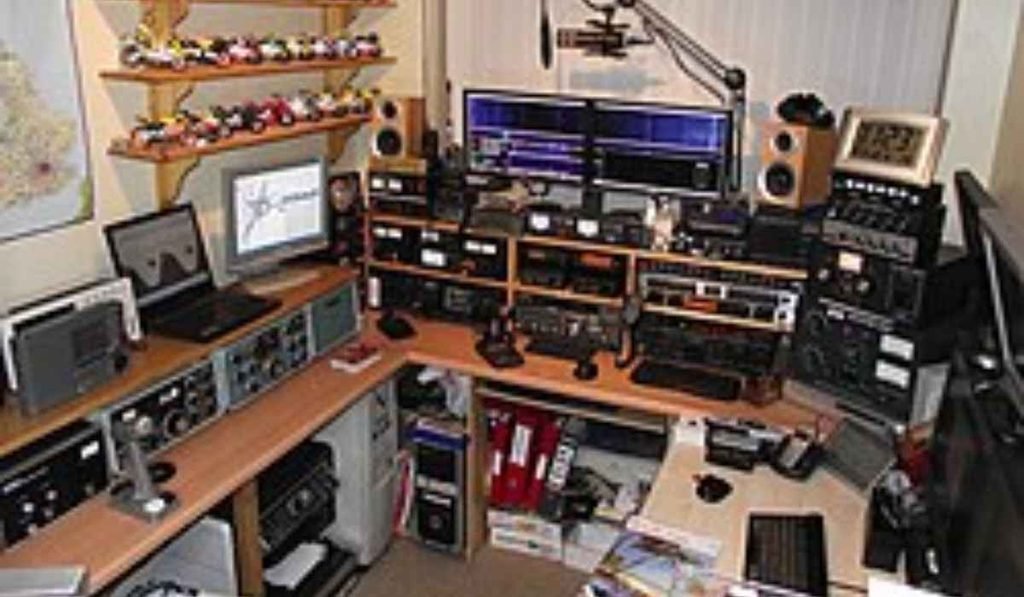
Broadcasting services operate in several formats depending on their audience, technology, and programming goals. Some concentrate on popular music, while others focus on current affairs, sports, education, or religious discussions. Community broadcasters serve smaller areas and provide locally relevant information. Commercial broadcasters generally earn revenue through advertisements and sponsorships. Public broadcasting services may receive government support or funding from other public sources.
5. AM Radio Broadcasting
AM stands for Amplitude Modulation, a broadcasting method that changes the amplitude of a carrier wave to transmit audio information. AM broadcasting has a long history and can cover considerable distances, particularly during nighttime conditions. Many AM services concentrate on news, sports commentary, discussions, and public information. However, AM signals can experience interference from electrical equipment, atmospheric conditions, and other sources of electromagnetic noise.
6. FM Radio Broadcasting
FM stands for Frequency Modulation, a technology that changes the frequency of a carrier wave to communicate audio signals. It is widely associated with music broadcasting because it can deliver clear sound quality. FM services are especially popular in cars, homes, offices, and portable receivers. They often feature music charts, entertainment programs, interviews, local announcements, and listener requests. Signal coverage generally depends on transmitter power, antenna placement, and surrounding geography.
7. Digital Radio Technology
Digital broadcasting converts audio into digital information before transmitting it to compatible receivers. This technology can offer additional features, improved audio quality, and more efficient use of available spectrum, depending on the standard and network. Some digital services also provide information such as program names, song titles, and station details. Digital broadcasting continues to develop as media organizations explore new ways to improve listening experiences.
8. Online Radio and Internet Broadcasting
Online broadcasting allows audiences to listen through websites, mobile applications, and streaming platforms. Unlike traditional terrestrial broadcasting, internet services can reach listeners across geographical boundaries wherever a reliable connection is available. Many online broadcasters operate without conventional transmitters. They can offer live programs, specialized music collections, recorded shows, and international content. This format has made broadcasting more accessible to independent creators and smaller media organizations.
9. Music Broadcasting and Entertainment
Music remains one of the most recognizable forms of radio entertainment. Programs may feature pop, rock, jazz, classical, country, hip-hop, traditional, and regional music. Presenters introduce songs, share entertainment updates, announce new releases, and interact with listeners. Some broadcasters specialize in particular genres, while others offer different musical styles throughout the day. Music programming provides an enjoyable way to discover artists and explore different cultures.
10. News and Current Affairs Programming
News broadcasting helps listeners understand important Radio Station events happening locally, nationally, and internationally. Programs may include political developments, economic updates, public announcements, environmental reports, and community stories. Professional journalists and presenters gather information from reliable sources before preparing reports. Many broadcasters also provide interviews with experts and discussions about current issues. News services are particularly valuable for audiences who prefer listening rather than reading.
11. Sports Broadcasting
Sports programming brings live competitions, match analysis, interviews, and tournament updates directly to audiences. Commentators describe important moments, explain team strategies, and provide background information about athletes. Football, cricket, basketball, tennis, and other sports can attract dedicated listeners. Even without television pictures, skilled commentators help audiences imagine the action through detailed descriptions and energetic presentations.
12. Talk Shows and Discussion Programs
Talk shows provide opportunities to discuss social issues, entertainment, relationships, education, business, and everyday experiences. Presenters may invite specialists, public figures, community representatives, and ordinary listeners to participate. Phone calls and messages allow audiences to share questions and opinions. These programs encourage conversation and can introduce different perspectives on subjects that affect society.
13. Community Broadcasting Services
Community broadcasting focuses on the interests and needs of a particular geographical or cultural community. These services may share local news, educational information, cultural events, public notices, and interviews with community members. They often provide opportunities for volunteers and independent creators to develop broadcasting skills. By highlighting local voices, community broadcasters help smaller communities remain informed and connected.
14. Educational Broadcasting
Educational programming makes learning accessible through audio lessons, interviews, language courses, and informative discussions. Students can listen to explanations of academic subjects, historical events, scientific discoveries, and practical skills. Educational broadcasters may cooperate with schools, universities, teachers, and nonprofit organizations. Audio learning is especially useful for people who want to study while travelling or completing everyday activities.
15. Religious and Spiritual Programming
Religious broadcasting provides content related to faith, spiritual guidance, religious education, and community activities. Programs may include sermons, discussions, readings, interviews, and special event coverage. Different broadcasters serve different religious communities and traditions. These services can help listeners remain connected with their communities and access spiritual content from home or while travelling.
16. Commercial Broadcasting and Advertising
Commercial broadcasters generally generate income by selling advertising opportunities to businesses and organizations. Advertisements may appear between songs, during programs, or within sponsored segments. Revenue helps support operational expenses, including salaries, equipment, studio maintenance, and broadcasting infrastructure. Advertisers benefit from reaching audiences interested in particular products, services, and local businesses.
17. Public Service Broadcasting
Public service broadcasting aims to provide valuable programming that serves the broader public interest. Its content may include education, cultural coverage, reliable news, public safety information, and entertainment. Funding arrangements differ between countries and organizations. Some services receive public funding, while others combine different financial sources. Their central purpose is to make useful information and programming accessible to diverse audiences.
18. Local and International Broadcasting
Local broadcasters usually focus on specific communities, cities, or regions. Their programming may include traffic reports, local events, business updates, and regional music. International broadcasters reach audiences across national boundaries and may offer programs in several languages. Both formats have important roles because they connect listeners with information and cultures that match their interests.
19. Radio Presenters and Their Responsibilities
Presenters are important members of broadcasting teams because they communicate directly with audiences. Their responsibilities may include introducing programs, interviewing guests, reading news, announcing songs, and managing live discussions. Successful presenters need clear communication skills, confidence, preparation, and an understanding of their audience. Their personality and presentation style can strongly influence the listening experience.
20. Equipment Used in Broadcasting Studios
A professional broadcasting studio requires several types of equipment to produce and transmit audio content. Microphones capture voices, headphones help presenters monitor sound, and audio mixers control different sources. Computers manage playlists, recordings, and broadcasting software. Soundproofing materials reduce unwanted noise, while monitoring equipment helps technicians maintain audio quality. Transmitters and antennas support traditional over-the-air distribution.
21. The Role of Radio in Emergency Communication
Broadcasting can become especially important during emergencies and natural disasters. Authorities may use it to communicate weather warnings, evacuation instructions, safety recommendations, and public announcements. Traditional receivers can operate without mobile internet access, depending on their power source and signal availability. This makes broadcasting a useful additional communication channel when other networks experience interruptions.
22. Mobile Applications and Modern Listening
Smartphones have changed how audiences access audio content. Mobile applications allow users to stream live broadcasts, browse different genres, save favorite services, and listen while travelling. Many applications include search features, program schedules, and recommendations. These digital tools make it easier for listeners to discover content beyond their local broadcasting area.
23. Choosing the Right Broadcasting Service
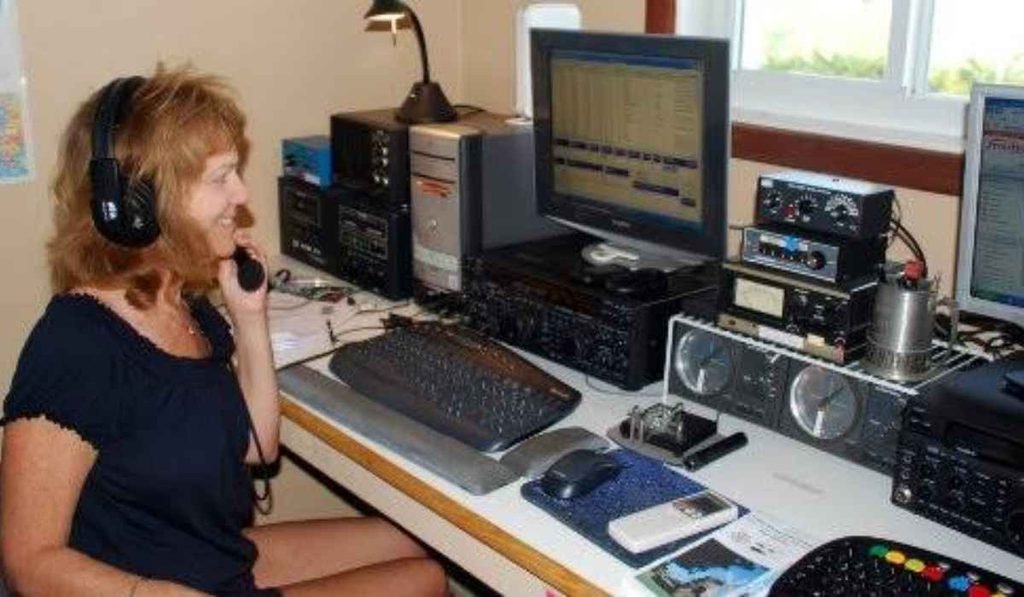
Choosing a suitable broadcaster depends on personal interests, location, language, and listening preferences. Music lovers may prefer stations specializing in their favorite genres, while news enthusiasts may choose services with regular updates. Sports fans can look for live commentary and match analysis. Checking signal coverage, program schedules, sound quality, and online availability can help listeners find suitable options.
24. Benefits of Listening to Broadcast Media
Audio broadcasting offers several practical benefits for everyday life. People can receive information without continuously looking at a screen. Music and entertainment can make commuting, exercising, and household activities more enjoyable. Educational programs introduce useful ideas, while news services keep audiences informed. Local programming also helps listeners discover community events and important announcements.
25. Challenges Facing Traditional Broadcasting
Traditional broadcasting faces competition from streaming platforms, podcasts, social media, and on-demand entertainment. Younger audiences may prefer choosing exactly what they want to hear and when they want to hear it. Broadcasters must also manage operational expenses, advertising changes, technical upgrades, and audience expectations. Adapting to digital technology is increasingly important for maintaining relevance.
26. The Importance of Audience Engagement
Audience engagement helps broadcasters build lasting relationships with listeners. Presenters can encourage participation through phone calls, competitions, social media discussions, and message requests. Feedback helps program producers understand what audiences enjoy and which topics deserve attention. Strong listener relationships can improve loyalty and make programs feel more interactive and community-focused.
27. Radio Broadcasting in Pakistan
Pakistan has a diverse broadcasting environment that includes public, commercial, regional, and online services. Urdu, English, Sindhi, Punjabi, Pashto, Balochi, and other languages help broadcasters connect with different communities. Programming can include music, religious discussions, educational content, news, and cultural coverage. Local broadcasting also provides opportunities to highlight regional traditions, artists, and community concerns.
28. The Future of Audio Broadcasting
The future of broadcasting will likely combine traditional transmission with internet-based distribution. Digital technology, artificial intelligence, personalized recommendations, and mobile applications may influence how audiences discover programs. Broadcasters can also develop podcasts and on-demand content alongside live schedules. Although listening habits continue to change, audio remains a convenient way to share stories, music, information, and entertainment.
29. Podcasts Compared With Traditional Broadcasting
Podcasts and traditional broadcasting both deliver audio content, but their distribution methods and listening experiences can differ. Traditional services often follow scheduled programming, whereas podcasts are usually available on demand. Podcasts may focus on particular subjects and longer conversations. Many broadcasters now produce both formats, allowing audiences to enjoy live programming and recorded episodes according to their schedules.
30. How Businesses Benefit From Audio Advertising
Businesses can use audio advertising to introduce products, promote services, and increase brand awareness. Local advertising can reach people within a specific broadcasting area, while online campaigns may target wider audiences. Advertisements can include special offers, contact details, and short descriptions of products. Effective campaigns use clear messages and appropriate scheduling to reach the intended audience.
31. Understanding Broadcasting Frequencies
Broadcasting frequencies describe the electromagnetic spectrum used to transmit signals. Different services operate within allocated frequency bands according to national regulations and technical standards. AM and FM services use different frequency ranges in many countries. Understanding frequency allocation helps explain why receivers need to be tuned correctly and why broadcasting coverage can vary between locations.
32. How to Improve the Listening Experience
Listeners can improve reception by positioning an antenna correctly, selecting an appropriate receiver, and avoiding sources of electrical interference. For internet audio, a stable network connection can reduce interruptions. Using comfortable headphones or quality speakers may improve sound clarity. Exploring different programs and schedules can also help listeners discover more interesting content.
33. Radio as a Cultural Communication Tool
Audio broadcasting supports cultural exchange by sharing music, language, traditions, interviews, and stories. Regional programs introduce listeners to local artists and customs, while international services provide exposure to different cultures. Music and spoken content can preserve traditions and encourage understanding between communities. This cultural role makes broadcasting more than a source of entertainment.
34. Careers in the Broadcasting Industry
The broadcasting industry offers career opportunities in journalism, presenting, sound engineering, production, advertising, marketing, and technical operations. Presenters communicate with audiences, while producers organize programs and coordinate guests. Engineers maintain audio equipment and transmission systems. Digital content creators also contribute by managing websites, podcasts, and social media platforms.
35. Final Thoughts on the Value of Broadcasting
Audio broadcasting continues to connect people through information, entertainment, education, and culture. Although technology has introduced new ways to consume content, traditional transmission and internet streaming remain useful parts of the media industry. Understanding different formats, broadcasting methods, and programming styles helps audiences choose content that suits their needs. For additional background about the history and technology of radio, readers can explore Wikipedia: Radio Broadcasting.
36. The Difference Between Local and National Programming
Local and national broadcasting serve different purposes. Local programming concentrates on nearby communities, including regional news, traffic conditions, cultural celebrations, and local business announcements. National programming covers broader topics such as government policies, major sporting competitions, economic developments, and national entertainment. Both formats complement each other by providing information at different levels. Many broadcasting organizations combine local reporting with nationally distributed programs to reach a wider audience.
37. Shortwave Broadcasting and International Communication
Shortwave broadcasting uses high-frequency signals that can travel over considerable distances through atmospheric propagation. It has historically been important for international communication, particularly when reaching audiences across borders. International broadcasters have used shortwave transmissions to share news, cultural programs, educational material, and emergency information. Although internet streaming has changed international listening habits, shortwave remains useful in locations where internet access is limited or unreliable.
38. Satellite Broadcasting Services
Satellite broadcasting distributes audio signals through communication satellites rather than relying exclusively on ground-based transmitters. This technology can provide wide geographical coverage and support specialized audio services. Satellite-based services may offer extensive channel selections, including music, news, sports, and entertainment. Listeners generally require compatible receiving equipment and, depending on the service, a subscription. Satellite distribution is particularly useful for reaching audiences across large geographical regions.
39. The Importance of Broadcasting Licenses
Broadcasting licenses establish the legal permission and technical conditions under which a broadcaster can operate. Regulatory authorities may assign frequencies, define transmission limits, and establish requirements for programming and interference prevention. Licensing helps organize the available spectrum and reduces conflicts between services. Requirements vary between countries, so broadcasters must understand the rules applicable to their operating location and broadcasting format.
40. How Broadcasting Networks Operate
Broadcasting networks connect multiple outlets through shared programming, technical facilities, and distribution arrangements. A network may produce national news bulletins, entertainment shows, interviews, or special coverage that affiliated outlets distribute locally. This structure helps organizations reach larger audiences while maintaining regional programming. Networks can also share production costs, improve content consistency, and coordinate important broadcasts across several locations.
41. The Role of Advertising Agencies
Advertising agencies help businesses create promotional messages suitable for audio audiences. They research target customers, prepare scripts, select appropriate broadcasting services, and organize advertising schedules. Some campaigns use short announcements, while others feature sponsored discussions or promotional interviews. Effective audio advertising relies on memorable wording, clear pronunciation, suitable timing, and a message that communicates the product’s value.
42. Accessibility and Inclusive Programming
Inclusive broadcasting makes audio content accessible to audiences with different needs, languages, ages, and backgrounds. Presenters can use clear language, explain unfamiliar terms, and provide content in regional languages. Program schedules can include material for children, older adults, students, and specialized communities. Online services may also provide transcripts and written program descriptions, making information easier to access in different situations.
43. The Relationship Between Broadcasting and Social Media
Social media has created additional opportunities for broadcasters to communicate with their audiences. Organizations can announce upcoming shows, publish short interviews, share program highlights, and collect listener feedback. Presenters can interact with audiences through comments and live discussions. These platforms also help broadcasters promote special events and reach people who may not regularly use traditional receivers.
44. Important Skills for Successful Broadcasting
Successful broadcasting requires a combination of communication, research, technical understanding, and creativity. Presenters should speak clearly, organize information, manage time, and respond confidently during live programs. Producers need planning and teamwork skills, while technicians require knowledge of sound systems and transmission equipment. Continuous practice and audience feedback help broadcasting professionals improve their performance and produce more engaging content.
45. Why Audio Broadcasting Remains Relevant
Despite competition from digital entertainment, audio broadcasting continues to offer convenience, accessibility, and immediate communication. Listeners can enjoy programs while driving, working, studying, or relaxing. Live presenters create a sense of connection that automated playlists cannot always reproduce. News updates, emergency announcements, cultural discussions, and community programs also give broadcasting an important place in modern communication. Its ability to adapt to changing technology will help it remain valuable.
46. Frequently Asked Questions
1. What are radio stations used for?
– They provide music, news, sports commentary, educational programs, interviews, entertainment, and public information.
2. What is the difference between AM and FM broadcasting?
– AM changes the amplitude of a carrier wave, while FM changes its frequency. FM generally provides clearer audio for music. IEEE Technology Navigator+1
3. Can I listen to broadcasting services online?
– Yes, many broadcasters offer live streaming through websites, smartphone applications, and digital platforms.
4. Are radio stations still popular today?
– Yes, they remain useful for music, news, local information, emergency communication, and entertainment.
5. What types of programs are available on radio?
– Popular programs include music shows, news bulletins, sports coverage, talk shows, educational lessons, and religious discussions.
Conclusion
Radio broadcasting remains an important part of the global media industry because it connects communities, shares information, and provides entertainment through traditional and modern technologies. Whether audiences prefer music, news, sports, education, or cultural discussions, there are many broadcasting formats to explore. As technology continues to develop, traditional transmission and internet streaming will create new opportunities for broadcasters and listeners. For additional information about its history, development, and technology, visit Radio Broadcasting on Wikipedia


