

1. Introduction to Comix
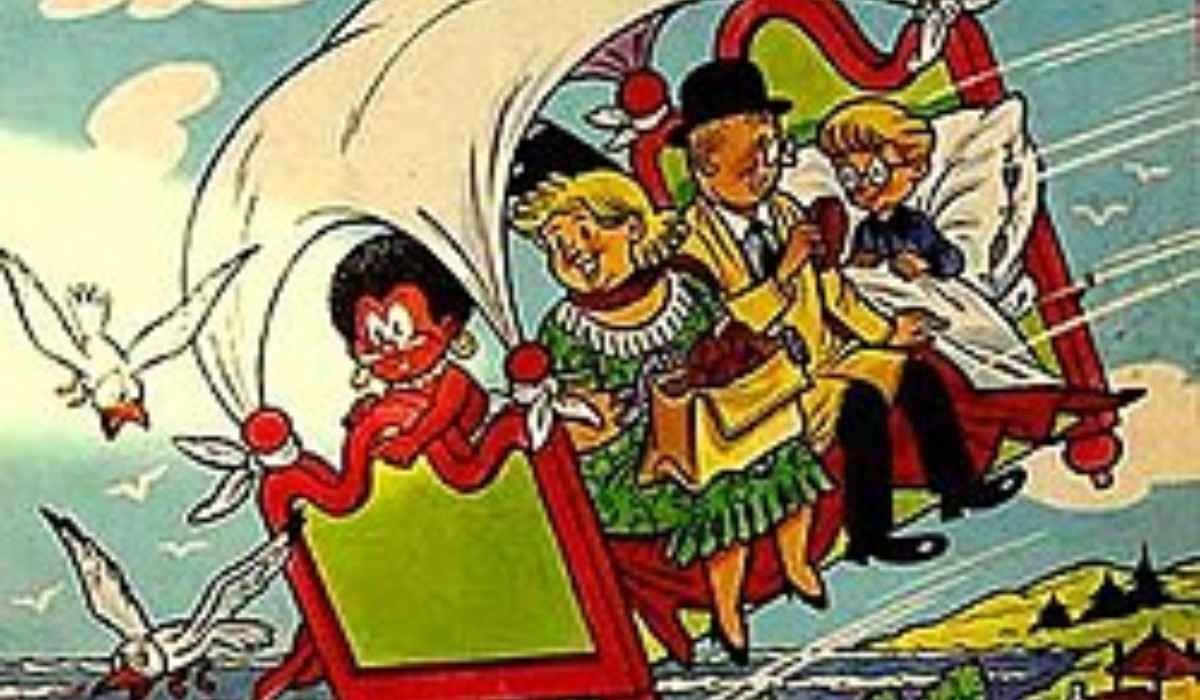
Comix represents an exciting form of visual storytelling that combines illustrations, written dialogue, creative characters, and imaginative narratives. It has developed into an influential part of popular culture, attracting readers who enjoy humor, adventure, fantasy, history, and social commentary. Unlike traditional storytelling, this medium communicates ideas through a combination of pictures and words. Readers can explore different worlds, understand complex emotions, and experience entertaining stories through carefully designed illustrations. Its popularity continues to grow because it offers something for audiences of different ages, interests, and cultural backgrounds.
| Quick Bio | Details |
|---|---|
| Term | Comix |
| Category | Illustrated storytelling |
| Format | Comic books, strips, and graphic novels |
| Main elements | Illustrations, dialogue, panels, and narratives |
| Historical movement | Underground publishing |
| Major development | 1960s and 1970s |
| Popular formats | Print and digital |
| Audience | Readers of different age groups |
2. What Does Comix Mean?
The word refers to illustrated publications that communicate stories through pictures and written language. It is particularly associated with independent and underground comic-book traditions. The alternative spelling became popular among creators who wanted to distinguish their work from conventional publications. It also represented artistic independence and freedom of expression. Today, the term can describe alternative illustrated storytelling, although its historical meaning remains closely connected to independent publishing and experimental artwork.
3. Origin of the Term
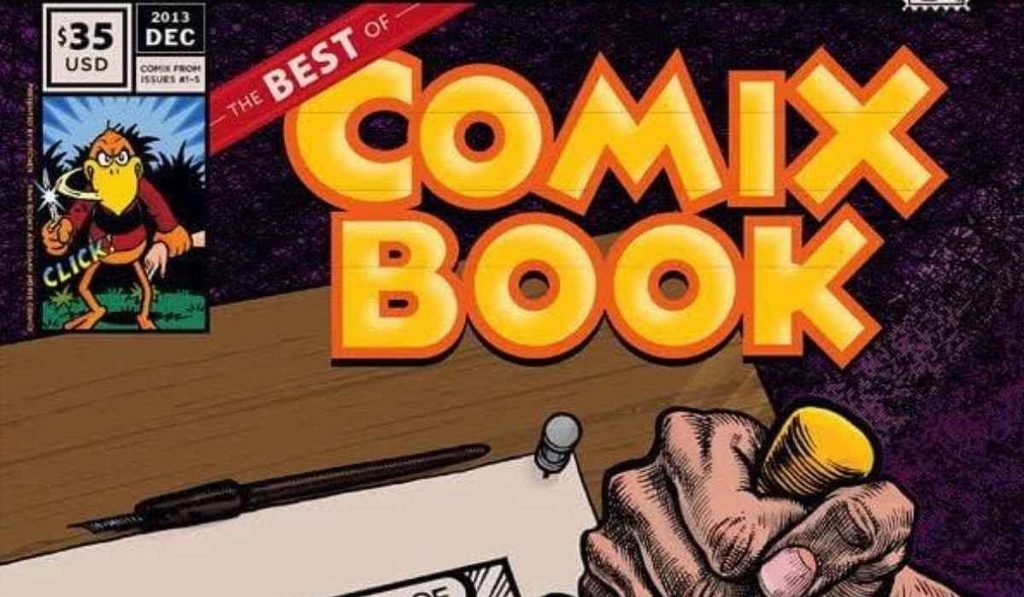
The alternative spelling developed during the twentieth century, particularly around the late 1960s. Artists began using an X instead of the traditional ending to distinguish their publications from mainstream comic books. The change was more than a stylistic decision because it communicated a desire for creative freedom. Robert Crumb is frequently associated with popularizing the spelling through the underground publishing movement. The terminology became connected with artistic experimentation, independent production, and challenging established publishing conventions.
4. History of Illustrated Storytelling
Illustrated storytelling existed long before modern comic books appeared. Ancient civilizations used paintings, carvings, and visual sequences to communicate religious beliefs, historical events, and everyday experiences. Over time, printed illustrations became increasingly popular in newspapers and magazines. During the nineteenth and twentieth centuries, sequential pictures developed into recognizable storytelling formats. These developments eventually helped establish the modern comic-book industry, creating opportunities for different artistic styles and narrative approaches.
5. The Underground Publishing Movement
The underground publishing movement became particularly influential during the 1960s and 1970s. Independent artists created publications outside the traditional publishing system, allowing them to explore subjects that mainstream publishers Comix frequently avoided. Their stories discussed politics, social expectations, personal experiences, and counterculture. These publications were often produced through small printing operations and distributed through alternative retail networks. Their independence helped establish a creative environment where artists could experiment with storytelling without following conventional industry expectations.
6. The Influence of Robert Crumb
Robert Crumb became one of the most recognizable figures associated with underground illustrated publishing. His distinctive drawing style, unusual characters, and satirical storytelling helped shape the movement. His work challenged conventional ideas about popular entertainment and explored controversial subjects through exaggerated illustrations. Crumb’s contribution demonstrated how independent artists could create recognizable visual identities without depending entirely on major publishers. His influence continues to appear in discussions about alternative illustration and experimental graphic storytelling.
7. Important Artists and Creators
Many talented creators contributed to the development of independent illustrated publications. Artists such as Trina Robbins, Gilbert Shelton, Spain Rodriguez, Bill Griffith, and Aline Kominsky-Crumb helped expand the movement through different subjects and artistic approaches. Their work introduced readers to distinctive characters, personal narratives, satire, and experimental visual techniques. These creators also demonstrated that illustrated storytelling could represent different perspectives and experiences rather than depending on a limited selection of popular genres.
8. Popular Artistic Styles
Illustrated publications use numerous artistic styles, ranging from realistic drawings to exaggerated cartoon illustrations. Some creators prefer detailed backgrounds, natural facial expressions, and carefully proportioned characters. Others experiment with unusual shapes, bold outlines, distorted figures, and abstract compositions. Independent publications often encourage unusual artistic decisions because their creators have greater freedom to explore personal preferences. This variety makes visual storytelling attractive to readers who appreciate different forms of creativity and artistic expression.
9. Understanding Comic Book Panels
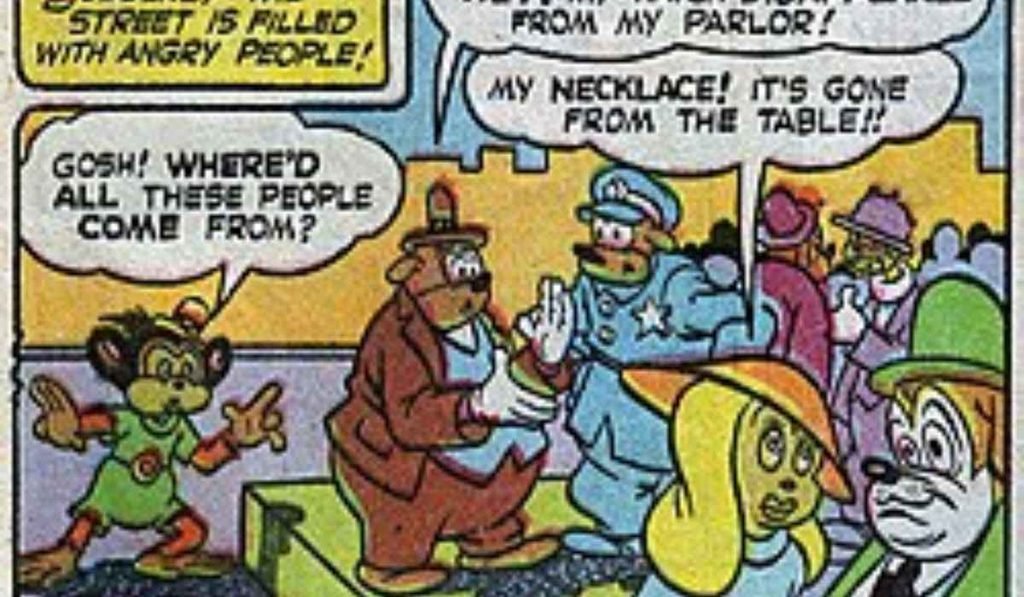
Panels are individual frames that organize visual storytelling into understandable Comix sequences. Each panel usually represents a particular moment, movement, reaction, or change in the story. Artists arrange these frames to guide readers through the narrative. Large panels can emphasize important events, while smaller frames can create a feeling of movement or quick conversation. The arrangement of panels also influences pacing, allowing creators to control how readers experience suspense, humor, action, and emotional moments.
10. The Importance of Dialogue
Dialogue helps readers understand characters, relationships, and important events. Speech bubbles communicate spoken conversations, while thought bubbles reveal a character’s private feelings. Narration boxes can provide background information Comix or explain events that illustrations cannot communicate independently. Good dialogue should complement the artwork rather than overwhelm it. When words and pictures work together effectively, readers can understand the narrative without requiring lengthy explanations or unnecessary descriptions.
11. Different Genres and Categories
The illustrated publishing industry includes many genres designed for different interests. Adventure stories focus on exciting journeys, dangerous situations, and unexpected discoveries. Fantasy introduces imaginary worlds, magical characters, and supernatural events. Science fiction explores technology, space exploration, and possible futures. Other categories include romance, mystery, horror, comedy, biography, and historical storytelling. This variety allows readers to discover publications that match their preferred subjects and reading habits.
12. Comedy and Satirical Storytelling
Humor has always played an important role in illustrated entertainment. Creators use funny situations, exaggerated expressions, clever dialogue, and unexpected endings to entertain readers. Satirical stories take this approach further by examining social behavior, public institutions, and cultural expectations. Humor can make complicated subjects easier to understand while encouraging readers to think critically. Independent publications have particularly benefited from satire because it allows artists to communicate opinions through entertaining visual narratives.
13. Social and Political Commentary
Illustrated storytelling can communicate serious subjects in accessible ways. Artists use characters Comix and visual metaphors to explore inequality, political disagreements, cultural changes, and personal freedoms. These stories can encourage discussions about issues that affect individuals and communities. Visual narratives are especially effective when they combine emotional situations with recognizable experiences. Independent creators have historically used this medium to challenge established ideas and provide alternative perspectives on important social developments.
14. Women in Independent Publishing
Women artists have made important contributions to alternative illustrated publishing. Creators including Trina Robbins, Aline Kominsky-Crumb, and other independent cartoonists helped introduce different perspectives into an industry that had often been dominated by male creators. Publications such as Wimmen’s Comix provided opportunities for women to explore personal experiences, relationships, identity, and social expectations. Their contributions expanded the subjects represented in graphic storytelling and encouraged greater diversity among creators and readers.
15. Famous Independent Publications
Several independent publications became influential examples of alternative graphic storytelling. Zap Comix is particularly associated with the underground movement and the creative work of Robert Crumb and other artists. Wimmen’s Comix provided an important platform for women cartoonists. Other independent magazines explored personal storytelling, satire, cultural criticism, and experimental illustration. These publications demonstrated that successful creative work did not always require the traditional distribution systems used by major entertainment companies.
16. The Difference Between Mainstream and Independent Comics
Mainstream comic books are generally published through established companies with recognizable characters, professional production systems, and organized distribution networks. Independent publications often provide greater creative control to individual artists and smaller publishing teams. Their subjects, visual approaches, and storytelling structures can differ considerably. The distinction is not absolute because independent creators can produce mainstream-style adventures, while major publishers can also release experimental work. The main difference often concerns ownership, publishing methods, and creative independence.
17. The Role of Graphic Novels
Graphic novels present extended narratives through illustrated sequences and written dialogue. Unlike many short comic-book issues, they can tell complete stories within a single publication. Their subjects include personal biographies, historical events, fictional adventures, and serious social discussions. Graphic novels have helped establish illustrated storytelling as a respected literary format. They also attract readers who prefer longer narratives with developed characters, meaningful themes, and carefully organized visual storytelling.
18. Digital Publishing and Modern Technology
Digital technology has transformed the way illustrated publications are created and distributed. Artists can now use drawing tablets, graphic design applications, and digital coloring tools to produce professional-looking artwork. Online publishing platforms allow creators to reach international audiences without relying exclusively on traditional printing companies. Readers can access stories through computers, smartphones, and tablets. These developments have reduced some publishing barriers and created new opportunities for independent artists.
19. Reading on Mobile Devices
Mobile devices have made illustrated storytelling more convenient for modern audiences. Readers Comix can access digital publications while traveling, relaxing at home, or taking breaks during the day. Some digital formats allow users to zoom into individual illustrations, while others present panels vertically for easier scrolling. These features improve accessibility and create new reading experiences. However, printed publications continue to attract collectors who appreciate physical artwork, original printing techniques, and traditional page layouts.
20. Educational Benefits of Visual Storytelling
Illustrated stories can support education by combining written explanations with visual information. Students may find historical events, scientific concepts, and complicated social subjects easier to understand when presented through organized pictures. Visual narratives can also encourage reading among people who struggle with lengthy traditional texts. Teachers can use illustrated publications to introduce vocabulary, develop comprehension skills, and encourage classroom discussions. Their effectiveness depends on selecting suitable material for the educational purpose and audience.
21. Why Readers Enjoy Illustrated Publications
Readers appreciate illustrated storytelling because it combines entertainment with visual creativity. Memorable characters, attractive artwork, exciting narratives, and emotional situations can make stories enjoyable and meaningful. Some readers prefer lighthearted adventures, while others enjoy serious biographies or experimental independent publications. The ability to explore different subjects through pictures and words creates a flexible reading experience. Collectors also appreciate the artwork, historical significance, and creative individuality found in different publications.
22. Collecting and Preserving Older Publications
Collecting older illustrated publications has become an interesting hobby for enthusiasts. Some collectors search for rare first editions, original artwork, unusual covers, and historically important issues. The condition of a publication can influence its collectible value, making proper storage important. Keeping publications away from excessive moisture, direct sunlight, and physical damage can help preserve them. Collectors should also research authenticity, printing details, and publication history before purchasing expensive editions.
23. Copyright and Creative Ownership
Copyright protects original illustrations, written stories, characters, and other creative material. Artists and publishers should understand ownership rights before reproducing or distributing someone else’s work. Independent creators may benefit from clear agreements covering publication rights, licensing, and commercial use. Readers should also distinguish between legally available digital publications and unauthorized copies. Respecting intellectual property encourages artists to continue creating original work and supports a healthier publishing environment.
24. How to Discover New Creators
Discovering new illustrated storytellers can be an enjoyable experience. Readers can explore independent bookstores, libraries, publishing websites, art exhibitions, and creator communities. Online platforms also make it easier to discover emerging artists and follow their projects. Reading reviews and examining sample pages can help readers understand an artist’s style before purchasing a publication. Supporting independent creators through legitimate purchases, subscriptions, and event participation can strengthen the creative community.
25. The Future of Illustrated Storytelling
The future of illustrated storytelling will likely involve further experimentation with digital formats, interactive narratives, and international collaboration. Independent artists can reach readers across geographical boundaries through online communities and digital publishing services. New creative tools may also make professional illustration more accessible. Despite these technological developments, strong characters, meaningful narratives, and original artwork will remain important. Readers will continue looking for stories that entertain, inspire, educate, and communicate fresh perspectives.
26. Why the Medium Remains Important
Illustrated storytelling remains important because it combines artistic expression with accessible communication. It provides creators with opportunities to share personal experiences, explore difficult subjects, and entertain different audiences. Its history demonstrates how independent publishing can challenge established industries and introduce new creative possibilities. The medium also connects generations through memorable characters and visual narratives. Its continuing development proves that storytelling does not need to depend on words alone.
27. Final Thoughts
Comix represents an important part of graphic storytelling and independent publishing history. From its association with the underground movement of the 1960s to modern digital publications, it has provided artists with opportunities to experiment, communicate, and challenge traditional expectations. Its artistic variety, cultural importance, and storytelling potential continue to attract readers worldwide. Anyone interested in learning more can explore the historical development of comics through the related Wikipedia resource: https://en.wikipedia.org/wiki/Comics.
Frequently Asked Questions
1. What does the term mean?
- It refers to illustrated storytelling, particularly independent and underground comic-book publications.
2. When did underground comix become popular?
- The movement became especially influential during the 1960s and 1970s.
3. Who is Robert Crumb?
- He is an influential American cartoonist associated with the underground publishing movement.
4. Are illustrated publications suitable for adults?
- Yes. They cover subjects ranging from comedy and adventure to history, politics, and personal experiences.
5. Can readers access digital comic books?
- Yes. Many creators and publishers distribute illustrated stories through websites, digital bookstores, and reading applications.