

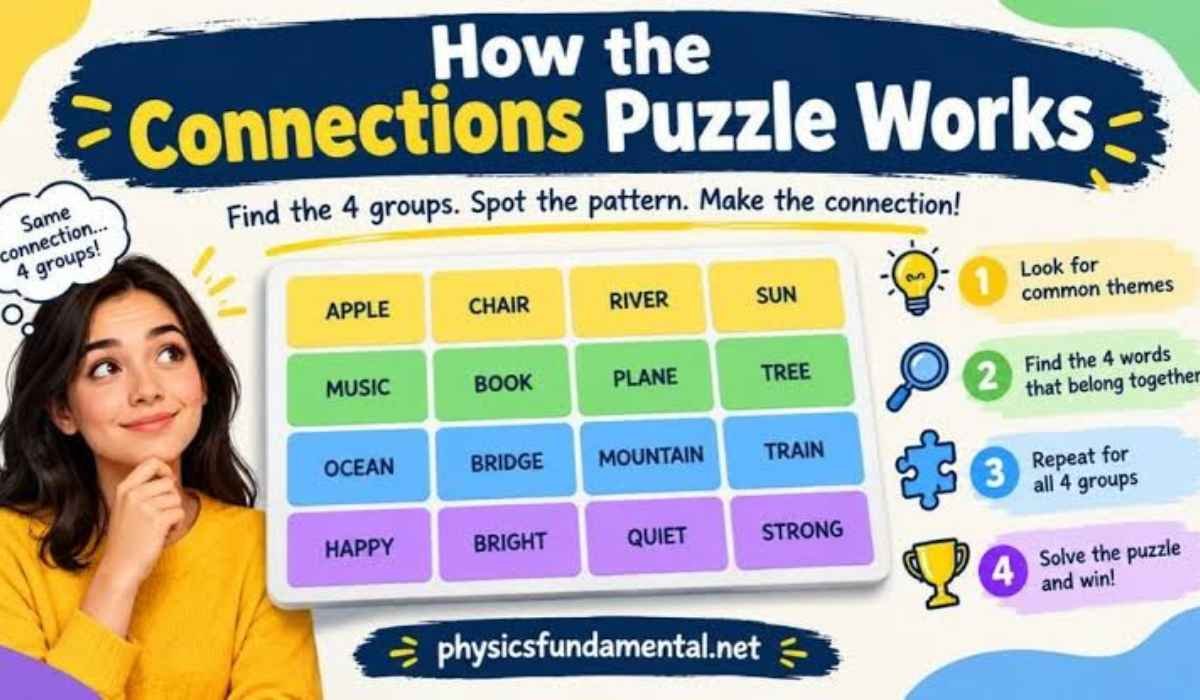
The daily word puzzle trend continues to attract players who enjoy testing their vocabulary, logical thinking, and ability to recognize hidden patterns. today’s connections mashable is a popular search phrase among puzzle enthusiasts looking for helpful clues, category explanations, and daily solutions. Whether you are a beginner or an experienced player, understanding how the game works can make solving each challenge more enjoyable. This comprehensive guide explains the puzzle’s format, useful strategies, difficulty levels, answer categories, and practical techniques to help you improve your daily performance without immediately revealing every solution.
Quick Bio Table
| Keyword Information | Details |
|---|---|
| Primary Keyword | today’s connections mashable |
| Main Topic | NYT Connections Puzzle |
| Puzzle Category | Daily Word Game |
| Original Publisher | The New York Times |
| Puzzle Editor | Wyna Liu |
| Release Date | June 12, 2023 |
| Number of Words | 16 |
| Number of Groups | 4 |
| Difficulty Levels | Yellow, Green, Blue, Purple |
| Target Audience | Word Game Enthusiasts |
| Search Intent | Informational |
| Related Topics | Hints, Clues, Answers, Strategies |
1. What Is Today’s Connections Mashable?
The phrase today’s connections mashable generally refers to searches for daily Connections hints and solutions published through Mashable’s puzzle coverage. Connections is a popular word association game that challenges players to identify relationships between sixteen different words. Players must organize those words into four groups containing four related answers. Each category has a different difficulty level, encouraging participants to think carefully before submitting their selections. The challenge combines vocabulary, reasoning, observation, and creative thinking, making it an entertaining daily activity for people who enjoy testing their mental abilities.
2. Understanding the NYT Connections Puzzle
The New York Times Connections game offers a simple concept with surprisingly challenging gameplay. Every puzzle displays sixteen words arranged in a grid, and players must discover four hidden connections. Some relationships are straightforward, while others involve expressions, word meanings, cultural references, or clever wordplay. The objective is to identify the correct groups without using all available mistakes. Unlike traditional crossword puzzles, this game focuses on recognizing relationships between seemingly unrelated terms. Learning its basic structure is the first step toward becoming a more confident and successful player.
3. Why Mashable Covers Daily Connections
Mashable has established a recognizable presence in digital entertainment and online puzzle coverage. Its daily Connections articles provide readers with useful clues, category descriptions, and solutions for people who need additional assistance. Many players prefer receiving progressive hints instead of immediately viewing the completed puzzle. This approach allows them to enjoy the challenge while avoiding unnecessary spoilers. Searching today’s connections mashable can therefore help players locate relevant puzzle coverage and understand difficult word relationships. Its puzzle reporting also appeals to readers who regularly follow other popular daily word games.
4. How the Daily Puzzle Works
Each Connections challenge begins with sixteen words displayed in a four-by-four arrangement. Players examine the words and select four that share a meaningful relationship. After submitting a selection, the game indicates whether the chosen words form a correct category. Correct groups are removed from the board, leaving fewer words to investigate. Participants can make only a limited number of incorrect attempts, so random guessing is not an effective strategy. Careful observation and logical elimination usually produce better results than selecting words simply because they appear similar.
5. The Four Different Difficulty Levels
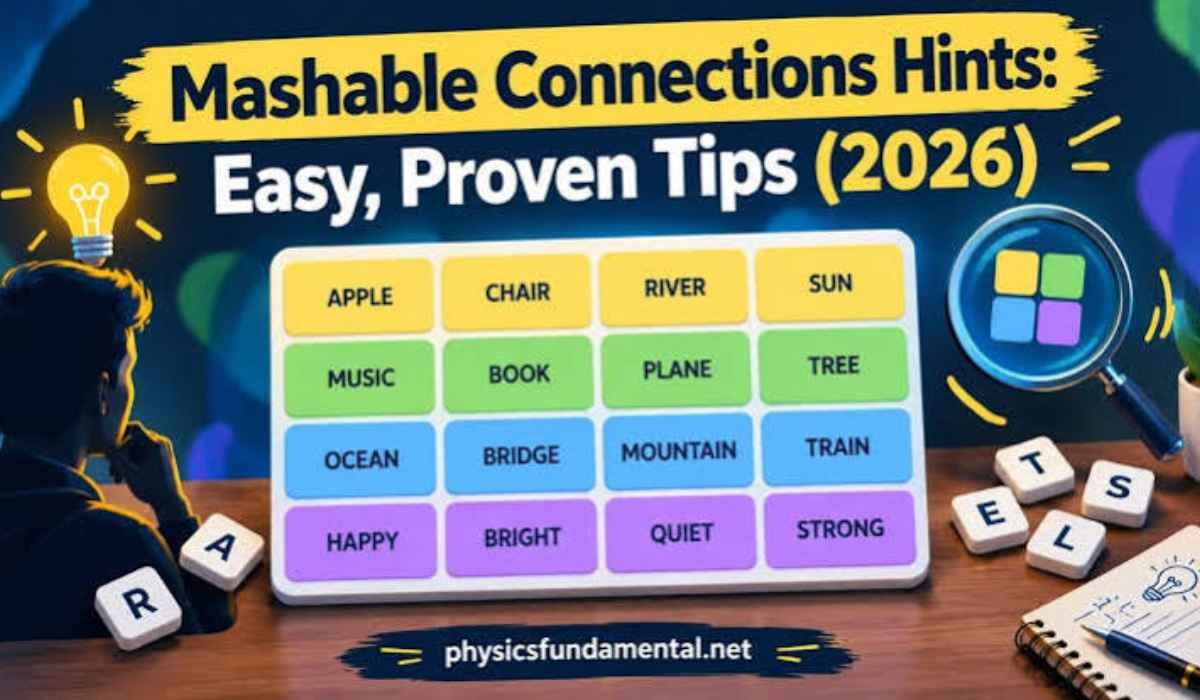
Connections organizes its four categories using different colors to communicate their relative difficulty. Yellow is generally the easiest group, followed by green, blue, and purple. The categories gradually introduce more complicated relationships, including unfamiliar terminology and creative wordplay. Players should understand that difficulty can depend on personal experience and vocabulary. Someone familiar with flowers might find a particular green category simple, while another person may struggle with it. Today’s connections mashable searches frequently reflect this interest in understanding the daily categories before revealing their solutions.
6. Yellow Category: Finding Simple Relationships
The yellow category usually provides an accessible starting point for solving the puzzle. Its words often share an obvious relationship involving everyday objects, familiar expressions, common activities, or recognizable concepts. Players should begin by examining words that clearly belong to the same general subject. However, they should still check every selection carefully because misleading words can create overlapping possibilities. Identifying the yellow group early helps reduce the board and creates opportunities to concentrate on more complicated relationships. Starting with confidence can make the entire puzzle-solving experience considerably smoother.
7. Green Category: Recognizing Familiar Connections
Green categories generally require slightly more attention than yellow ones. Their relationships may involve particular subjects, related vocabulary, shared characteristics, or recognizable collections. Players sometimes overlook these groups because individual words can belong to multiple possible categories. A useful technique involves reading every word aloud and considering its different meanings. This simple exercise can reveal connections that are not immediately obvious when looking at the grid. Successful players avoid rushing and spend time checking whether exactly four words support the same logical explanation before submitting their answer.
8. Blue Category: Using Knowledge and Observation
Blue categories often introduce relationships that require broader knowledge or more careful interpretation. These groups might involve specific objects, cultural references, scientific concepts, historical information, or unusual similarities. Players who regularly read, watch educational content, and explore different subjects may find these challenges easier. Nevertheless, general knowledge alone is not always enough. The important skill is recognizing which interpretation connects all four words. When looking for today’s connections mashable hints, players may benefit from explanations that describe the category without immediately exposing its complete answer.
9. Purple Category: Understanding Clever Wordplay
Purple is commonly considered the most challenging category because it frequently uses unexpected relationships. Its connections can involve altered spellings, missing words, homophones, hidden expressions, or other linguistic patterns. A word that appears unrelated to everything else might become meaningful after considering its pronunciation or another possible interpretation. Players should avoid assuming that every category relies on straightforward definitions. Sometimes the solution becomes obvious only after identifying a particular language pattern. Practicing these challenges improves flexibility and encourages players to consider alternative meanings rather than relying on their first impressions.
10. Today’s Puzzle Answers for November 5, 2026
The November 5, 2026, Connections puzzle is game number 1,243. Its sixteen words create four distinct categories, covering footwear, flowers, teardrop-shaped objects, and altered liquor names. The puzzle offers a useful example of how familiar vocabulary can create unexpected relationships. Players who want the complete solution can examine the categories below. If you have not attempted the challenge yet, consider treating the information as a spoiler and solving the puzzle independently first. The following details are based on published puzzle coverage and answer reporting.
| Color | Category | Four Answers |
|---|---|---|
| Yellow | Kinds of Heels | Kitten, Platform, Spike, Wedge |
| Green | Flowers | Anemone, Lotus, Narcissus, Rose |
| Blue | Teardrop-Shaped Things | Pear, Raindrop, Speedbag, Uvula |
| Purple | Liquors With Last Letters Changed | Brando, Gig, Run, Whisker |
11. How to Read Daily Hints Without Spoilers
Hints are especially useful when players want assistance without losing the satisfaction of solving the puzzle themselves. Instead of immediately looking at all four answers, begin with a general description of each category. Think about how the description might connect the available words. If the relationship remains unclear, request a more specific clue. This gradual approach preserves much of the original challenge. Players searching today’s connections mashable can use this strategy to find helpful explanations while controlling how much information they reveal.
12. Why Players Should Avoid Random Guessing
Random guessing can make Connections more frustrating because every incorrect submission reduces the remaining opportunities. A better method is to examine the complete board and identify possible groups before selecting anything. Write down potential connections mentally, then compare the competing possibilities. If five words appear related, investigate whether one belongs to a different category. This approach helps prevent mistakes caused by overlapping meanings. A few extra seconds of analysis can make a meaningful difference, particularly when the remaining words appear equally suitable for several possible groups.
13. The Importance of Vocabulary Development
Vocabulary plays an important role in improving puzzle performance. Players who understand synonyms, expressions, unfamiliar terminology, and alternative definitions have more opportunities to recognize hidden categories. Reading newspapers, books, educational articles, and general-interest publications can gradually expand word knowledge. Learning a new word should also involve understanding how it is used in different situations. Connections frequently rewards players who recognize that one term can have several meanings. Improving vocabulary therefore provides benefits beyond daily puzzles and can support clearer communication in everyday life.
14. How to Improve Your Daily Solving Skills
Consistent practice is one of the simplest ways to become better at word association games. Try completing the puzzle independently before checking outside hints or solutions. After finishing, review the categories and consider why the words belong together. Pay particular attention to incorrect guesses because they may reveal assumptions that need improvement. Players following today’s connections mashable can also compare their original reasoning with published explanations. Over time, recognizing common puzzle patterns becomes easier, and solving unfamiliar categories may require less time and fewer mistakes.
15. Common Mistakes Made by Beginners
New players often make mistakes because they focus too heavily on the first relationship they notice. Four words might appear connected, but another word could create a stronger category with three of them. Some beginners also ignore alternative meanings, pronunciation similarities, and expressions. Another common mistake is submitting answers before reviewing the remaining board. To improve, examine every word from multiple perspectives and avoid becoming attached to an early theory. A flexible approach makes it easier to recognize misleading similarities and discover the intended categories.
16. Why Daily Word Puzzles Are So Popular
Daily word games have become popular because they combine entertainment with manageable mental challenges. Most puzzles take only a few minutes, making them convenient for morning routines, lunch breaks, or relaxing evenings. Their shared daily format also creates opportunities for friendly competition between family members and friends. Players can compare scores, discuss difficult categories, and exchange strategies without needing complicated equipment. Today’s connections mashable is one example of the search interest created by this daily puzzle culture and the growing demand for accessible gaming assistance.
17. Connections Compared With Other Word Games
Connections shares similarities with Wordle, Strands, and other popular word games, but its central challenge is different. Wordle focuses on identifying a hidden five-letter word through repeated guesses, while Connections requires players to discover relationships among sixteen terms. Strands emphasizes finding themed words inside a letter grid. Each game encourages a different type of thinking. Connections particularly rewards categorization and flexible interpretation. People who enjoy several word games may appreciate how these activities provide variety while encouraging vocabulary development, concentration, and logical reasoning.
18. Benefits of Playing Connections Regularly
Playing word association games can encourage active thinking and provide an enjoyable break from routine activities. Players practice comparing information, identifying similarities, evaluating possibilities, and remembering vocabulary. These activities can make ordinary leisure time more engaging. The social aspect is another advantage because friends and relatives can discuss their interpretations and compare results. Although puzzles should not be considered a substitute for professional cognitive training or medical treatment, they offer an accessible recreational activity. Consistent participation can also help players become more familiar with different vocabulary patterns.
19. How to Make Puzzle Solving More Enjoyable
The best puzzle experience comes from finding a balance between challenge and enjoyment. Some players prefer completing every puzzle without assistance, while others appreciate receiving occasional clues. Both approaches are reasonable because entertainment should remain the main purpose. Set aside a comfortable amount of time, avoid rushing, and take short breaks when necessary. Discussing difficult categories with friends can also introduce new perspectives. When you explore today’s connections mashable, focus on learning the reasoning behind each answer instead of treating the final score as the only measure of success.
20. Where to Find Reliable Connections Hints
Players can find daily puzzle information through reputable entertainment publications, official game pages, and dedicated puzzle websites. Mashable regularly publishes Connections-related coverage, including daily hints and answer explanations. The New York Times provides access to the original game, while independent puzzle resources may offer additional explanations and archives. Before trusting a solution, verify its publication date because the puzzle changes every day. This is particularly important when searching today’s connections mashable, since older articles may appear in search results alongside information about the latest challenge.
21. Understanding Puzzle Updates and Daily Resets
Connections follows a daily publishing schedule, meaning a new puzzle becomes available after the previous day’s challenge. The reset follows the applicable local time arrangement, so players in different regions may encounter the new board at different clock times. This can occasionally create confusion when someone searches for today’s answers while another region is still experiencing the previous puzzle. Checking the date and puzzle number helps avoid mistakes. Readers should always confirm that the article they are viewing corresponds to the correct daily challenge before following its clues.
22. Tips for Solving Difficult Purple Categories
Purple categories deserve additional attention because they frequently involve unconventional language patterns. Start by identifying words that seem difficult to place in ordinary categories. Consider whether they contain missing letters, unusual endings, alternative pronunciations, or connections to familiar expressions. Think about common phrases that could be completed using the words on the board. It may also help to rearrange letters mentally or examine the final sounds. These techniques encourage creative thinking and can reveal the hidden mechanism that makes a seemingly impossible group understandable.
23. The Role of Pattern Recognition in Connections
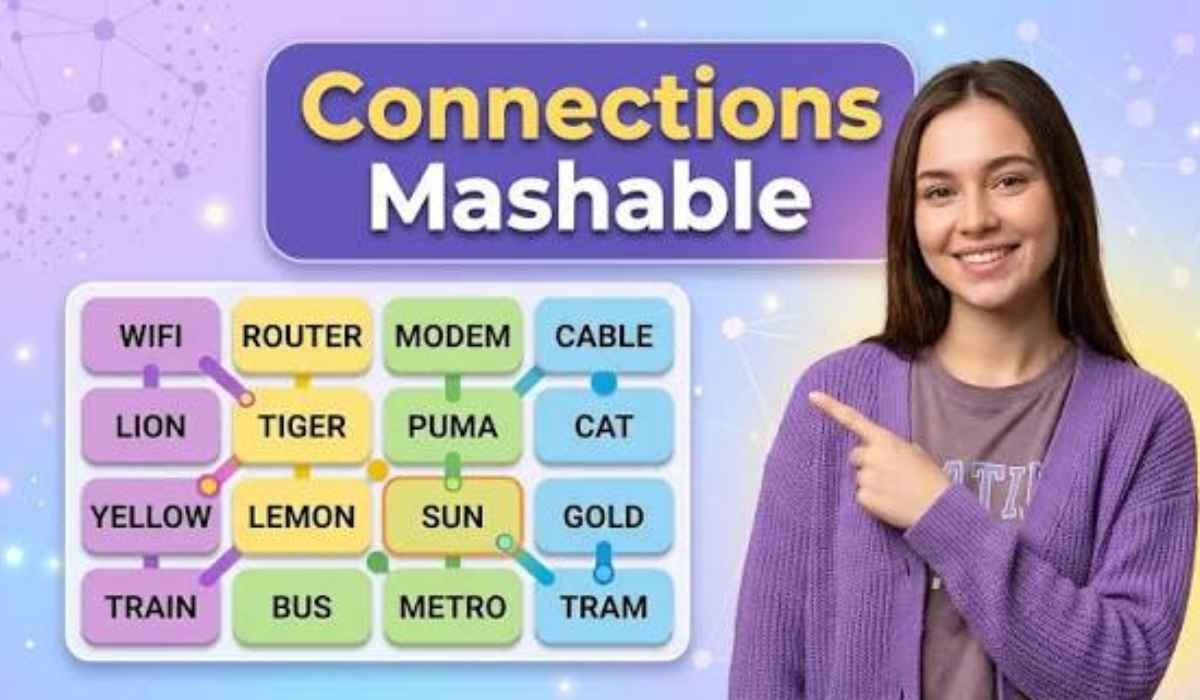
Pattern recognition is central to successful Connections gameplay. Players must notice similarities that might involve meaning, appearance, sound, spelling, or shared context. Some relationships are obvious, while others become visible only after considering the entire board. Developing this skill involves practice and a willingness to challenge initial assumptions. Instead of searching for a single possible meaning, examine several interpretations for every word. The more consistently players apply this technique, the easier it becomes to identify relationships and distinguish intended categories from misleading combinations.
24. Why Daily Solutions Should Include Explanations
A useful puzzle article should do more than publish four groups of answers. Explaining why each word belongs to its category allows readers to understand the reasoning behind the solution. For example, a footwear category becomes easier to remember when readers recognize the different types of heels represented by its words. Similarly, a wordplay category becomes meaningful when its underlying linguistic pattern is explained. Today’s connections mashable searches often reflect this need for both quick answers and understandable explanations. Clear explanations make daily puzzle coverage more educational and useful.
25. How to Use Connections as a Learning Activity
Connections can become a simple learning activity when players approach each puzzle with curiosity. After completing the challenge, research unfamiliar terms and examine their meanings. Consider why particular words were grouped together and whether they have other possible interpretations. Keeping a small vocabulary notebook can help preserve interesting discoveries for future puzzles. Teachers and parents may also use word association activities to encourage language practice in appropriate learning environments. The goal should be to make vocabulary exploration interesting rather than turning every recreational challenge into a stressful assignment.
26. The Future of Online Word Association Games
Online word games continue to attract audiences because they offer accessible entertainment and simple ways to participate in shared daily challenges. Digital publications, mobile applications, and social media discussions make it easier for players to discover new puzzles and exchange ideas. Future word games may experiment with additional themes, interactive features, and different difficulty systems. However, the basic appeal of identifying meaningful relationships is likely to remain important. Players enjoy the satisfaction of discovering a pattern that initially seemed hidden, which makes this format particularly engaging.
27. Final Thoughts on Daily Connections Puzzles
Connections offers an enjoyable combination of vocabulary, reasoning, creativity, and problem-solving. Its sixteen-word format is easy to understand, but its hidden categories provide enough variety to challenge experienced players. Using progressive hints, checking alternative meanings, and reviewing incorrect guesses can improve the overall experience. Today’s connections mashable is a useful search phrase for readers seeking daily puzzle coverage, but players should always confirm the date and source before following a solution. Most importantly, enjoy the process of discovering relationships instead of focusing exclusively on completing the board.
Frequently Asked Questions (FAQs)
1. What does today’s Connections Mashable mean?
– It refers to searches for Mashable’s daily NYT Connections hints, category explanations, and puzzle answers.
2. How many words are included in the Connections game?
– Each standard puzzle contains sixteen words divided into four groups of four related words.
3. Which Connections category is usually the most difficult?
– Purple is generally the most challenging category because it often includes wordplay, unusual expressions, and unexpected relationships.
4. Where can I play the original Connections puzzle?
– You can play the official game through the New York Times Connections website .
5. How can I improve my Connections puzzle-solving skills?
– Practice regularly, develop your vocabulary, examine alternative meanings, avoid random guesses, and review explanations after completing each puzzle.
Related Wikipedia Resource
For additional background about the history, development, gameplay, and popularity of this daily word puzzle, readers can explore the related Wikipedia article: The New York Times Connections – Wikipedia . This resource provides useful introductory information about the game’s publisher, release history, and category-based gameplay. Combining historical information with daily puzzle coverage can help readers better understand why Connections has become a recognizable part of online word-game culture. It is also a useful reference for anyone researching the topic, preparing educational content, or learning more about the evolution of digital puzzle entertainment.