

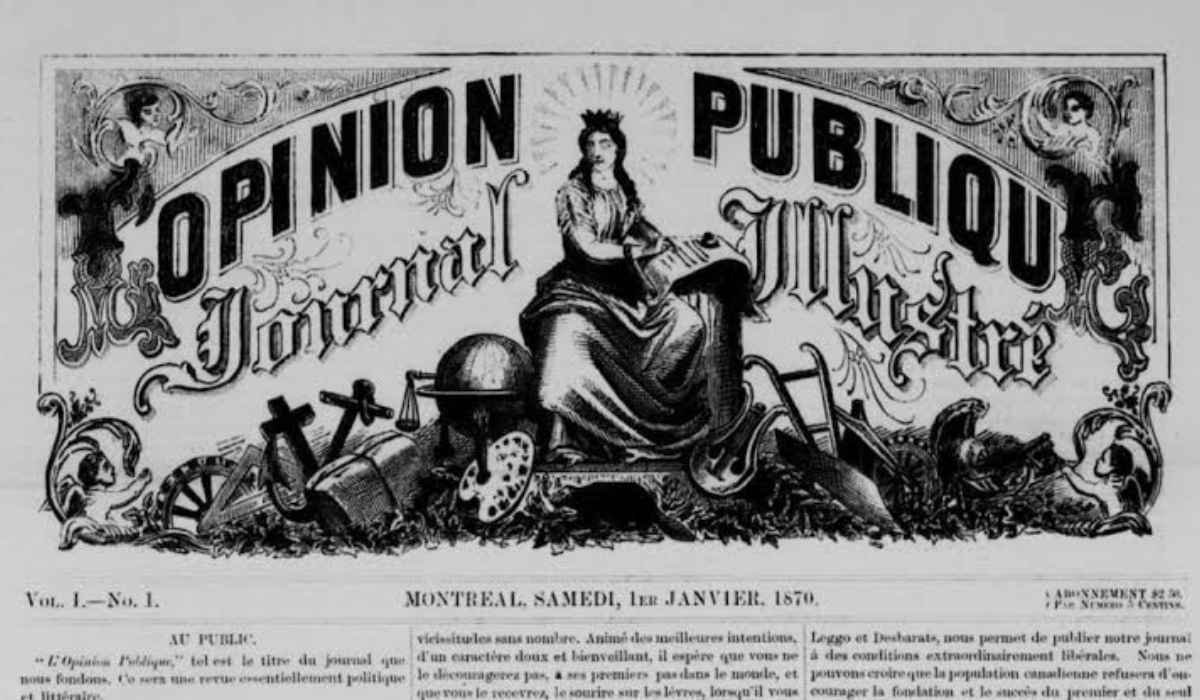
Finding information about someone who has passed away can be an emotional and meaningful experience. Public Opinion newspaper obituaries provide readers with an opportunity to discover death announcements, remember loved ones, and learn about the lives of people within their communities. These notices can contain important biographical details, family connections, funeral arrangements, professional achievements, and personal memories. Whether someone is researching their family history, searching for a recent announcement, or preserving memories of a relative, newspaper obituary resources can make the process easier. Understanding how these records work helps readers locate meaningful information and preserve important family stories.
| Bio Detail | Information |
|---|---|
| Primary Keyword | public opinion newspaper obituaries |
| Content Category | Newspaper Obituaries |
| Main Purpose | Finding death notices and memorial information |
| Target Audience | Families, researchers, genealogists, and readers |
| Search Intent | Informational |
| Related Topics | Death notices, funeral announcements, historical archives |
| Content Format | Informational SEO article |
1. Understanding Public Opinion Newspaper Obituaries
Newspaper obituaries are published announcements that share information about individuals who have passed away. They generally provide details about the person’s life, family, accomplishments, and funeral arrangements. Public Opinion newspaper obituaries can help readers understand how local publications document important community events and preserve personal histories. These announcements serve families, friends, neighbors, and researchers who want reliable information about someone’s passing. Depending on the publication, an obituary might be a short death announcement or a detailed tribute describing the individual’s background, achievements, relationships, and lasting influence on others.
2. The Importance of Public Memorial Announcements
Memorial announcements have an important place in community journalism because they recognize individuals whose lives contributed to their families and neighborhoods. Public Opinion newspaper obituaries help illustrate how newspapers communicate personal losses while documenting meaningful community connections. These records can provide information to people who live far away and may not otherwise hear about a death. They also give relatives an opportunity to share memories, acknowledge accomplishments, and communicate funeral details. Beyond immediate announcements, published tributes can become valuable historical documents that future generations may use to understand their family backgrounds and community traditions.
3. Where the Public Opinion Newspaper Comes From
The name Public Opinion is associated with more than one newspaper-related publication. One notable example is the Public Opinion newspaper serving Watertown, South Dakota, which has a reported history dating to 1887. Another historical publication titled Public Opinion was published in London, England, during the nineteenth and early twentieth centuries. Therefore, readers should identify the correct newspaper before beginning their research. Public Opinion newspaper obituaries may refer to different publication collections depending on the location, publication period, and online archive being consulted.
4. How to Search for Recent Obituaries
Searching for recent death announcements is generally easier when readers know the deceased person’s full name and approximate date of death. Begin by visiting the newspaper’s official website or its designated obituary platform. Enter the person’s first and last name into the search field and review the available results. Public Opinion newspaper obituaries can also be located through newspaper directories and obituary websites that organize announcements by publication. If the first search produces no results, try alternative spellings, middle names, or a broader date range to improve the chances of finding the correct announcement.
5. Finding Historical Death Notices
Historical death notices are valuable resources for people researching relatives who passed away many years ago. Unlike modern announcements, older newspaper records might contain limited personal information, abbreviated names, or unusual spelling variations. Public Opinion newspaper obituaries and historical newspaper collections can provide clues about earlier generations and their communities. Researchers should search using approximate publication dates, family surnames, locations, and alternative spellings. Historical newspaper archives may also contain scanned newspaper pages that require manual examination. Libraries, genealogy organizations, and digital newspaper collections are useful starting points when older records are difficult to locate online.
6. Understanding the Difference Between Obituaries and Death Notices
An obituary and a death notice are related but serve slightly different purposes. A death notice generally provides essential information, including the deceased person’s name, date of death, and funeral arrangements. An obituary usually offers a broader account of the individual’s life, family, accomplishments, and personal legacy. Public Opinion newspaper obituaries may appear alongside other memorial announcements depending on the publication’s layout and editorial policies. Understanding this distinction helps researchers choose the appropriate search terms. Someone looking for a short funeral announcement should also search for death notices, while family historians may benefit from searching full obituary records.
7. Information Commonly Included in an Obituary
An obituary can contain several details that help readers understand the life of the deceased. Common information includes the person’s full name, age, birthplace, residence, date of death, and surviving relatives. Some announcements also mention education, employment, military service, community involvement, hobbies, and religious affiliations. Public Opinion newspaper obituaries may include funeral service schedules, visitation arrangements, memorial contributions, and messages from family members. The amount of information depends on what relatives provide and the newspaper’s publication guidelines. Carefully reviewing these details can help researchers distinguish between individuals who share similar names.
8. Using Online Newspaper Archives
Online newspaper archives have transformed how people research historical publications. Instead of visiting physical libraries immediately, readers can explore digitized newspaper pages from computers and mobile devices. Public Opinion newspaper obituaries may be discoverable through dedicated publication archives, newspaper directories, and historical newspaper databases. Some platforms provide searchable text, while others allow visitors to browse scanned pages. Search filters can narrow results by location, publication date, and newspaper title. However, not every archive offers free access. Readers should check subscription requirements, available date coverage, and image-download options before relying on a particular service.
9. The Role of Family History Research
Family history research involves collecting information about relatives, ancestors, and previous generations. Newspaper announcements can provide useful connections between people, locations, and important life events. Public Opinion newspaper obituaries may help genealogists identify family relationships, former residences, and community associations when the relevant publication records are available. Researchers can compare obituary details with census documents, birth certificates, marriage records, cemetery databases, and other historical sources. Combining several records produces a more complete family history than relying on a single announcement. Keeping organized notes and recording publication dates also makes future research easier.
10. Searching by Name and Location
A person’s name and geographical location are two useful starting points when searching for an obituary. Begin with the complete name, including any middle name or maiden name that may appear in historical documents. Next, identify the city, county, or state where the individual lived or passed away. Public Opinion newspaper obituaries searches become more effective when these details are combined with an estimated year of publication. If the individual moved between communities, search newspapers from each relevant location. Local publications sometimes report deaths involving former residents even when those individuals passed away somewhere else.
11. Finding Funeral and Memorial Service Details
Funeral and memorial service information helps relatives, friends, and community members understand how to participate in remembrance activities. Published notices may include visitation times, funeral dates, service locations, cemetery information, and instructions for sending flowers or donations. Public Opinion newspaper obituaries can direct readers toward these details when the family or funeral provider has supplied them. However, service arrangements can change, particularly when an announcement was published several days earlier. Readers should confirm important arrangements with the funeral home or family before traveling. This simple precaution helps prevent confusion and unnecessary inconvenience.
12. Preserving Memories Through Digital Records
Digital records make it easier to preserve important announcements for future generations. Families can save obituary webpages, download permitted newspaper clippings, and organize photographs alongside written memories. Public Opinion newspaper obituaries can become part of a larger digital family archive when copies are available through authorized sources. It is helpful to record the newspaper title, publication date, webpage address, and date of access. These details make the material easier to verify later. Families should also consider keeping backup copies in separate locations and respecting copyright restrictions when sharing scanned newspaper content publicly.
13. Why Local Newspapers Matter
Local newspapers document events that larger national publications may overlook. They report on community activities, public achievements, local institutions, and the lives of ordinary residents. Public Opinion newspaper obituaries demonstrate how a regional publication can contribute to a community’s historical memory through personal announcements. These records may help researchers understand how neighborhoods changed and how families remained connected across generations. Local newspapers also provide a sense of place by documenting relationships between individuals and the communities where they lived. Their archives can therefore be useful for both personal genealogy and broader historical research.
14. Understanding Online Obituary Platforms
Many newspapers use specialized online platforms to manage obituary announcements and memorial pages. These services may provide search tools, photographs, guestbooks, condolence messages, and links to funeral homes. Public Opinion newspaper obituaries may be presented through an external obituary service rather than directly on the newspaper’s main homepage. Readers should check whether the platform is officially connected with the publication. They should also review the information displayed on individual listings because publication dates, service arrangements, and family details can differ. Using reputable platforms helps readers avoid misleading websites and unrelated announcements.
15. How to Verify Obituary Information
Verifying obituary information is important because names, dates, and family relationships can sometimes be recorded incorrectly. Researchers should compare published details with official death records, cemetery information, funeral home announcements, and family documents whenever possible. Public Opinion newspaper obituaries can provide valuable research clues, but they should not automatically be treated as complete official records. An obituary is often prepared using information supplied by relatives or representatives. Some details may be unintentionally omitted or remembered incorrectly. Comparing multiple independent sources helps establish a clearer and more dependable account of an individual’s life.
16. Writing a Meaningful Obituary
Writing an obituary requires care, accuracy, and sensitivity. Families usually begin by collecting the deceased person’s full name, birth information, date of death, and important biographical details. They can then include family relationships, career achievements, hobbies, community involvement, and personal qualities. Public Opinion newspaper obituaries provide an example of how newspapers communicate these important details through concise public announcements. A meaningful tribute should use respectful language and avoid unnecessary exaggeration. Before submitting the final version, relatives should carefully check names, dates, service information, and contact details to minimize errors.
17. Submitting an Obituary to a Newspaper
Families interested in publishing a death announcement should first review the newspaper’s submission requirements. Newspapers may accept notices through online forms, email, funeral homes, or designated customer service departments. Public Opinion newspaper obituaries submissions should follow the publication’s current instructions rather than relying on outdated information found on unrelated websites. Requirements may cover word limits, photographs, deadlines, editing permissions, and publication charges. Families should request a price estimate and proofread the announcement before approving publication. Keeping a copy of the submitted text and confirmation details can also be helpful if corrections become necessary.
18. The Importance of Accurate Family Information
Family relationships are an essential part of many obituary announcements. Names of spouses, children, grandchildren, siblings, and other relatives help readers understand the individual’s personal history. Public Opinion newspaper obituaries can provide genealogical clues when these relationships are clearly documented. However, family structures can be complicated, particularly when marriages, adoptions, remarriages, or geographical moves are involved. Researchers should avoid making assumptions based on incomplete information. Comparing different documents and consulting relatives can help clarify uncertain relationships. Accuracy and respectful language are especially important when preserving sensitive family histories for future generations.
19. Challenges When Searching Old Newspaper Records
Finding older announcements can sometimes be difficult because historical newspapers may not have searchable digital text. Faded printing, damaged pages, inconsistent spelling, and incomplete archives can create additional challenges. Public Opinion newspaper obituaries may also be listed under different sections or publication titles depending on the newspaper’s historical organization. Researchers should try several search variations and examine surrounding newspaper pages when digital searches fail. Local libraries and historical societies may have microfilm collections or printed indexes. Patience and careful documentation are essential when working with records that are incomplete or difficult to access.
20. Free and Paid Obituary Research Resources
Obituary research resources differ in terms of cost, coverage, and available features. Some newspaper websites allow visitors to view recent announcements without charge, while historical databases may require subscriptions for full-page access. Public Opinion newspaper obituaries can be investigated through newspaper websites, public library collections, genealogy databases, and obituary directories. Before paying for access, readers should check whether the same announcement is available through a free funeral home page or library resource. Understanding the archive’s coverage is important because a subscription does not necessarily guarantee access to every newspaper edition or historical year.
21. How Obituaries Support Genealogy
Genealogists use newspaper announcements to discover information that may not appear in traditional government records. An obituary can reveal nicknames, family connections, previous locations, occupations, and community involvement. Public Opinion newspaper obituaries can therefore contribute useful clues to family trees when the relevant records are available. Researchers can use those clues to identify additional documents, locate distant relatives, and establish possible connections between generations. Nevertheless, obituary information should be checked against independent evidence. A careful genealogical process records the source of every important detail and distinguishes confirmed information from assumptions or unverified family stories.
22. Protecting Privacy When Sharing Memorial Information

Although obituaries are public announcements, families should still consider privacy when sharing memorial information online. Sensitive details, personal contact information, and unnecessary family information should be handled carefully. Public Opinion newspaper obituaries may remain accessible long after their original publication, particularly when they are stored on digital platforms. Families should review the publication’s privacy policies and understand how photographs, guestbook messages, and personal details may be displayed. Readers should also avoid copying private information from memorial pages into unrelated websites. Respectful sharing protects grieving relatives while allowing meaningful memories to remain accessible.
23. The Future of Newspaper Obituaries
Newspaper publishing continues to evolve as readers increasingly use websites, mobile applications, and digital archives. Online memorial platforms provide faster access to announcements and make it easier for relatives living in different countries to participate in remembrance. Public Opinion newspaper obituaries illustrate the continuing importance of publication-based memorial records in a changing media environment. Digital tools may improve searching, preservation, and accessibility, although older printed records will remain important to researchers. Maintaining accessible archives and accurate publication information can help ensure that personal histories are not lost as traditional newspaper formats change.
24. Tips for Getting Better Search Results
Successful obituary research usually involves combining several search methods instead of relying on one keyword. Start with the person’s complete name and add a location or approximate death year. If necessary, search using nicknames, maiden names, initials, or alternative spellings. Public Opinion newspaper obituaries searches can also benefit from checking publication archives and funeral home websites. Keep a record of unsuccessful searches so that the same combinations are not repeated unnecessarily. When an announcement is located, save its source details and compare the information with other available records before using it in family history projects.
25. Why These Records Remain Valuable to Future Generations
Personal memorial announcements preserve information that might otherwise disappear from public memory. They document individual experiences, family relationships, professional achievements, and connections to local communities. Public Opinion newspaper obituaries can serve as meaningful historical resources for people who want to learn about previous generations and understand their community’s development. Even a brief announcement may provide a valuable starting point for further research. By preserving legitimate copies and documenting their sources, families can create resources that remain useful to children, grandchildren, historians, and genealogists. These records connect personal memories with the broader story of society.
26. Final Thoughts on Newspaper Obituary Research
Finding an obituary can be an important step toward remembering someone and understanding their personal history. Newspaper archives, online memorial platforms, funeral home websites, and public libraries offer different ways to locate useful information. Readers should begin with accurate identifying details, explore appropriate publication records, and verify important facts through reliable sources. Preserving announcements responsibly can also help families maintain meaningful connections with earlier generations. Whether the purpose is genealogy, historical research, or personal remembrance, newspaper obituary collections remain valuable resources for documenting lives, celebrating achievements, and keeping family memories alive.