

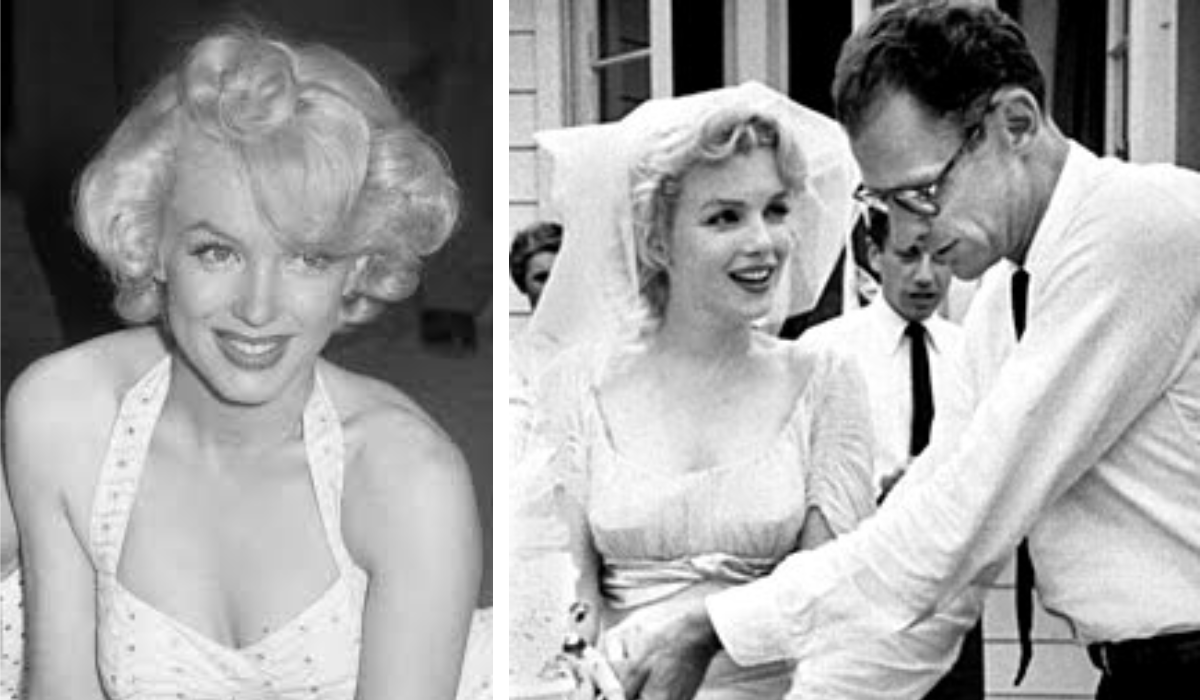
Marilyn Monroe Death remains one of Hollywood’s most discussed historical mysteries. The legendary actress died at only 36, leaving behind a remarkable career and a lasting cultural legacy. On August 5, 1962, Monroe was found dead inside her Brentwood, Los Angeles home after an overdose of barbiturates. The Los Angeles County coroner ultimately classified the manner of death as probable suicide. However, unanswered questions surrounding the circumstances, investigation, medication, and events of her final night have continued to inspire debate for decades.
| Quick Bio | Details |
|---|---|
| Full Name | Norma Jeane Mortenson/Baker |
| Famous Name | Marilyn Monroe |
| Born | June 1, 1926 |
| Birthplace | Los Angeles, California |
| Died | August 4, 1962 |
| Age at Death | 36 |
| Profession | Actress, model, singer |
| Cause of Death | Acute barbiturate poisoning |
| Official Manner | Probable suicide |
| Place of Death | Brentwood, Los Angeles |
| Burial | Westwood Village Memorial Park Cemetery |
Who Was Marilyn Monroe?
Before Marilyn Monroe Death became an enduring mystery, Monroe was one of Hollywood’s most recognizable stars. Born Norma Jeane, she transformed herself from a struggling young woman into an international celebrity. Her performances in films such as Gentlemen Prefer Blondes, How to Marry a Millionaire, The Seven Year Itch, and Some Like It Hot made her a major box-office attraction. Her glamorous image often overshadowed her ambitions as a serious actress. Despite extraordinary fame, Monroe experienced professional pressure and personal difficulties throughout her life.
When Did Marilyn Monroe Die?

Marilyn Monroe Death occurred during the night of August 4, 1962, although her body was discovered during the early morning of August 5. Investigators estimated that she had died sometime between approximately 8:30 p.m. and 10:30 p.m. on August 4. Her housekeeper, Eunice Murray, became concerned after noticing that Monroe’s bedroom remained illuminated and she could not get a response. The discovery shortly afterward shocked Hollywood and quickly became international news.
Where Did Marilyn Monroe Die?
Marilyn Monroe Death took place at her home at 12305 Fifth Helena Drive in the Brentwood neighborhood of Los Angeles. The residence became one of the most famous locations associated with the actress because it was the place where her life ended unexpectedly. Monroe had purchased the Spanish-style home in 1962 and considered it a private refuge. Her death there transformed an ordinary residence into a location permanently connected with one of Hollywood’s most famous tragedies.
What Was the Official Cause of Death?
The official medical finding was acute barbiturate poisoning caused by an overdose. Toxicology identified significant quantities of sedative drugs, including pentobarbital and chloral hydrate. These medications were commonly used during the period for sleep and sedation. Empty medication containers were reportedly found near her bed. The medical evidence established drug poisoning as the physical cause, while the separate question of how and why the overdose occurred became the basis for the official manner-of-death ruling and later public debate.
Why Was Her Death Ruled a Probable Suicide?
Marilyn Monroe Death was officially classified as probable suicide rather than simply recorded as an accidental overdose. The coroner’s investigation considered her psychological history, medication use, mood changes, and the toxicology results. Investigators also concluded that the amount of medication in her system was consistent with a fatal overdose. No suicide note was found, but investigators did not consider the absence of a note sufficient to rule out suicide. The final conclusion therefore became “probable suicide,” wording that has remained central to discussions about the case.
What Happened on Her Final Day?
The final day before Marilyn Monroe Death involved several people who knew or worked with her. Monroe spent much of August 4 at her Brentwood residence. Her publicist Patricia Newcomb, housekeeper Eunice Murray, photographer Lawrence Schiller, and psychiatrist Ralph Greenson were among the people associated with her final hours. According to historical accounts, Greenson had asked Murray to remain at the home overnight. The sequence of events later became heavily examined because the timing of phone calls, visitors, medication, and the discovery of her body raised questions among researchers.
Who Found Marilyn Monroe?
Eunice Murray was the person who became concerned about Monroe during the early morning hours. She noticed that Monroe’s bedroom light was still on and found that the bedroom door was locked. After attempting to communicate with her without success, Murray looked through a window and saw Monroe lying on the bed. She contacted psychiatrist Ralph Greenson, who arrived and gained entry to the room. Monroe’s physician Hyman Engelberg subsequently arrived and pronounced her dead.
What Did the Autopsy Reveal?
The autopsy connected Marilyn Monroe Death directly to acute barbiturate poisoning. Medical investigators reported no obvious external injuries that could explain a violent death. Toxicology identified high levels of sedative substances in her body. Deputy coroner Thomas Noguchi performed the autopsy, while specialists also considered information about Monroe’s psychological condition and medication history. The toxicological evidence became the strongest physical evidence supporting the official conclusion. Nevertheless, later writers and investigators questioned aspects of the procedure and interpretation, keeping the case controversial long after the original investigation.
Was There a Suicide Note?
One frequently discussed detail about Marilyn Monroe Death is the absence of a suicide note. Monroe did not leave a confirmed note explaining an intention to end her life. Some people have viewed this as evidence against suicide, while investigators did not regard it as decisive. The coroner’s psychological assessment considered other evidence, including her history, emotional condition, and drug use. The lack of a written explanation therefore did not change the official classification. It remains one of the details frequently cited in later theories about what happened.
Did Marilyn Monroe Have Mental Health Struggles?
Accounts of Monroe’s final years describe periods of depression, anxiety, emotional instability, insomnia, and dependence on prescribed sedatives. Her psychological difficulties were documented by people involved in her treatment. These issues became an important part of the original investigation because authorities were attempting to understand whether the overdose could have been intentional. It is important, however, not to reduce Monroe’s complicated life to mental health struggles. She was also ambitious, creative, professionally determined, and actively pursuing new projects shortly before her death.
Was Marilyn Monroe Taking Sleeping Medication?
Medication played an important role in Marilyn Monroe Death. Monroe had reportedly used sedative medications to deal with insomnia and other difficulties. Her doctors prescribed various drugs, and her access to powerful medications became significant when investigators examined the circumstances of her overdose. The presence of multiple substances also contributed to later discussion about whether an accidental interaction could have occurred. Historical evidence confirms the overdose, but debates about intent are separate from the medical finding that the drugs caused her death.
Did Career Problems Affect Her Final Months?
Monroe’s professional life was complicated during 1962. She had begun working on Something’s Got to Give, but production problems and disagreements with 20th Century Fox affected her career. The studio dismissed her from the production in June before negotiations later developed around her possible return. Despite these difficulties, Monroe continued attempting to rebuild her professional reputation. She participated in interviews and discussed future work. Her career struggles therefore provide important context, but they do not by themselves establish what caused her fatal overdose.
What Happened to Her Hollywood Career?
Marilyn Monroe Death ended a career that had already made her one of the biggest stars of the era. Her films had earned more than $200 million by the time she died, an enormous figure for the period. Her final completed film was The Misfits, released in 1961. Although some later projects were unfinished, Monroe’s influence continued growing after her death. Her combination of comedy, glamour, vulnerability, and screen presence eventually secured her status as an enduring Hollywood legend.
Were John and Robert Kennedy Connected to Her Death?
One of the most famous theories surrounding Marilyn Monroe Death involves John F. Kennedy and Robert F. Kennedy. Monroe had social connections with the Kennedy family, and her famous performance of “Happy Birthday” for President Kennedy intensified public fascination with their relationship. Later conspiracy theories claimed that one or both brothers could have been involved in her death. However, these claims have never been established as fact. The official investigation did not conclude that either Kennedy brother caused Monroe’s death, and later reviews did not produce evidence proving such a murder theory.
Was Marilyn Monroe Murdered?
The possibility that Marilyn Monroe Death was a homicide has circulated for decades. Supporters of murder theories have pointed to disputed timelines, missing or questioned evidence, alleged political connections, and inconsistencies in accounts from people present around the time she died. However, speculation should not be confused with established evidence. The official investigation concluded that the death was a probable suicide, and a later Los Angeles District Attorney review did not find evidence sufficient to overturn that conclusion. Thus, murder remains a theory rather than a proven explanation.
What Did the 1982 Review Find?
Two decades after Marilyn Monroe Death, the Los Angeles District Attorney’s office reviewed the case after renewed public allegations. The review was prompted by questions about missing materials and claims concerning the original investigation. Officials examined available records and investigative information. The later review did not establish evidence proving murder or overturn the original conclusion. This review is important because it demonstrates that authorities did revisit the case rather than simply ignoring continuing controversy. Nevertheless, public interest in alternative explanations continued.
Why Do Conspiracy Theories Continue?
Marilyn Monroe Death remains surrounded by conspiracy theories partly because several elements make the story unusually compelling. Monroe was an international celebrity who died young, powerful public figures were associated with her social circle, and some details from the investigation have been debated. The absence of a suicide note also became a recurring point of discussion. In addition, books, documentaries, newspapers, television programs, and internet communities have repeatedly revisited the case. Each retelling has contributed to a mythology that sometimes blurs the distinction between documented evidence and speculation.
What Evidence Supports the Official Version?

The official explanation is supported primarily by toxicology, the autopsy, medication evidence, Monroe’s documented psychological history, and the conclusions of investigators at the time. The medical examiner identified acute barbiturate poisoning as the cause of death. Authorities found no external injury that established homicide. The coroner’s office ultimately classified the manner as probable suicide. A later review also failed to find evidence sufficient to establish murder. These facts do not answer every historical question, but they explain why the official version remains the accepted conclusion.
What Questions Remain Unanswered?
Although Marilyn Monroe Death has an official explanation, several historical questions remain debated. Researchers have discussed the exact timing of events, the actions of people at the house, the handling of evidence, medication levels, and conflicting recollections. Some records were later unavailable, while others have been interpreted differently by different authors. These uncertainties have encouraged decades of speculation. However, unanswered questions do not automatically prove an alternative theory. A responsible historical account should clearly separate documented facts from claims that remain unsupported or disputed.
How Did the Public React?
News of Marilyn Monroe Death shocked audiences around the world. Newspapers immediately reported the tragedy, while Hollywood mourned one of its most recognizable performers. Her passing became more than the death of an actress because Monroe represented a major cultural image of 1950s America. Fans remembered her films, photographs, songs, and glamorous public persona. The tragedy also encouraged greater interest in the private pressures experienced by celebrities. Her death quickly became one of the defining celebrity stories of the twentieth century.
When Was Marilyn Monroe Buried?
Marilyn Monroe was buried on August 8, 1962, at Westwood Village Memorial Park Cemetery in Los Angeles. Her funeral was relatively private and was attended by family members, friends, colleagues, and selected guests. Her former husband Joe DiMaggio played an important role in the funeral arrangements and reportedly remained deeply affected by her passing. Monroe’s burial place later became a destination for admirers from around the world. Decades after her passing, visitors continued to leave flowers and tributes celebrating her life and career.
How Did Her Death Change Her Legacy?
Marilyn Monroe Death became inseparable from the image of Marilyn Monroe herself. Her early death transformed her from a contemporary movie star into an enduring cultural icon. Instead of gradually aging away from the public spotlight, she remained permanently associated with the glamorous period of her career. Artists, filmmakers, photographers, fashion designers, and musicians continued referencing her image. Her films also remained popular, ensuring that later generations could experience her work rather than knowing her solely through photographs and stories.
Why Is Marilyn Monroe Still Famous Today?
The continuing fascination surrounding Marilyn Monroe Death is only one reason Monroe remains famous. Her films, distinctive voice, comic timing, fashion influence, photographs, and complicated public persona have all contributed to her legacy. She challenged some expectations placed on female stars while also being heavily shaped by Hollywood’s studio system. Her story combines ambition, fame, vulnerability, and extraordinary cultural influence. More than six decades later, Monroe remains one of the most recognizable figures from classic American cinema.
What Can We Learn From Her Story?
The story surrounding Marilyn Monroe Death offers broader lessons about fame, privacy, media attention, and the pressures placed on celebrities. Monroe’s public image was carefully promoted, while her private struggles were often sensationalized. Her life demonstrates that enormous fame does not necessarily provide emotional security or personal happiness. It also shows why historical events should be approached carefully. Evidence, official findings, eyewitness accounts, and later speculation should not be treated as equally reliable. Monroe’s legacy deserves attention for both her achievements and the complexities of her life.
Marilyn Monroe’s Lasting Cultural Influence
Even after Marilyn Monroe Death, her influence expanded rather than disappeared. She became an inspiration for fashion, photography, popular culture, film studies, and celebrity branding. Her image has appeared on magazine covers, posters, paintings, advertisements, and countless artistic works. Her performances continue to receive critical attention, particularly Some Like It Hot. Monroe also helped establish a model of celebrity that remains familiar today: a public figure whose appearance, private life, relationships, and personal struggles become subjects of intense public fascination.
The Historical Meaning of Marilyn Monroe Death
When examining Marilyn Monroe Death, it is useful to distinguish between what is known and what remains uncertain. Monroe died from acute barbiturate poisoning, and the official manner of death was probable suicide. Later theories have proposed accidental overdose or homicide, but these alternatives have not been proven. The 1982 review also did not uncover sufficient evidence to establish murder. Understanding this distinction allows readers to appreciate the mystery without presenting speculation as established history.
Final Thoughts on Marilyn Monroe Death
Marilyn Monroe Death remains a powerful chapter in Hollywood history because it combines a brilliant career with an unexpectedly early ending. Monroe was only 36, yet she had already achieved extraordinary international fame. The official evidence points to acute barbiturate poisoning and a probable suicide ruling, while alternative theories continue to attract attention. Her story should ultimately be remembered not only for the mystery surrounding her passing but also for the talent, determination, and cultural influence she demonstrated during her lifetime. For additional background, readers can explore the related Wikipedia article on Marilyn Monroe.
Frequently Asked Questions
- When did Marilyn Monroe die? — • She died during the night of August 4, 1962, and was discovered early on August 5 at her Brentwood home.
- What was the official cause of death? — • The official medical cause was acute barbiturate poisoning from an overdose of sedative drugs.
- Was Marilyn Monroe’s death ruled a suicide? — • The Los Angeles County coroner classified the manner of death as probable suicide.
- Was her death ever investigated again? — • Yes. The Los Angeles District Attorney’s office reviewed the case in 1982 but did not find evidence sufficient to overturn the original conclusion.
- Why is the case still controversial? — • Conflicting accounts, unanswered historical questions, conspiracy theories, and Monroe’s connections with famous political figures have kept public interest alive for decades.