


Introduction to Gustavo Cerati
Gustavo Cerati was an Argentine singer, guitarist, songwriter, composer, and record producer whose artistic vision transformed Latin rock. Born in Buenos Aires on August 11, 1959, he became internationally recognized as the leader, vocalist, guitarist, and principal composer of Soda Stereo. His music combined rock, pop, electronic textures, experimentation, and poetic songwriting. Beyond his work with the legendary band, his solo career demonstrated remarkable versatility and creativity. Cerati continued exploring new sounds throughout his life, leaving an enduring influence on Spanish-language music and generations of musicians.
| Quick Bio | Details |
|---|---|
| Full Name | Gustavo Adrián Cerati Clark |
| Born | August 11, 1959 |
| Birthplace | Buenos Aires, Argentina |
| Died | September 4, 2014 |
| Profession | Singer, guitarist, songwriter, composer, producer |
| Famous For | Soda Stereo and solo career |
| Main Genres | Rock, Latin rock, pop rock, electronic music |
| Major Band | Soda Stereo |
| Children | Benito Cerati and Lisa Cerati |
| Final Studio Album | Fuerza natural |
Early Life and Childhood
Gustavo Cerati developed an interest in music at a remarkably young age. His parents gave him a guitar when he was nine, and the instrument quickly became central to his identity. By his early teenage years, he was already performing with small groups at school events and private gatherings. His early interests extended beyond music because he also enjoyed drawing and creating comic characters. These creative activities helped shape the imaginative approach that later became visible in his songwriting, stage presentation, album concepts, and visual identity.
Gustavo Cerati and His Musical Influences
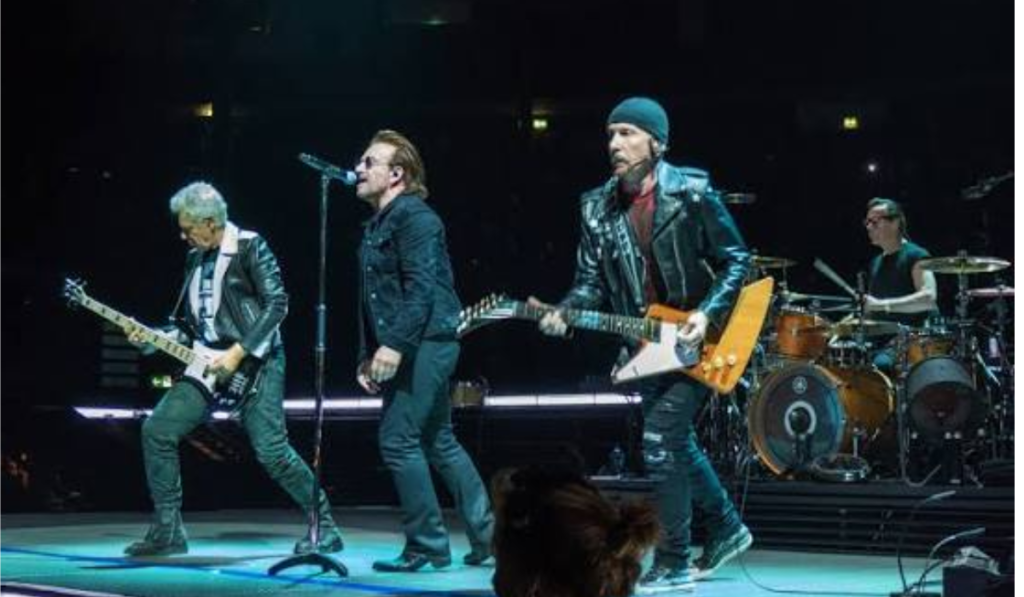
His musical vocabulary was shaped by a wide range of artists and styles. The Beatles and The Police were important influences, while Argentine innovators such as Luis Alberto Spinetta also helped inspire his artistic development. Cerati was never interested in simply copying established sounds. Instead, he absorbed different influences and transformed them into something personal. Rock, new wave, psychedelic music, electronic experimentation, pop, and alternative sounds eventually appeared throughout his work. This willingness to explore became one of his defining characteristics and helped him remain creatively relevant across several decades.
Meeting Zeta Bosio
A major turning point came when Cerati met Héctor “Zeta” Bosio while studying at the University of El Salvador. The two shared musical interests and eventually began working together in different projects. Their friendship developed into a powerful creative partnership. Both musicians wanted to form a group that could write original songs in Spanish while embracing contemporary international sounds. Their shared ambitions eventually created the foundation for Soda Stereo, one of the most influential bands in the history of Latin American rock.
Formation of Soda Stereo
In 1982, Cerati, Zeta Bosio, and Charly Alberti came together to form Soda Stereo. The trio initially drew inspiration from new wave and emerging British and American musical movements. Their chemistry was immediate, and they spent their early period rehearsing intensely and developing original material. Soda Stereo soon established a distinctive identity through energetic performances, memorable melodies, fashionable visuals, and Spanish-language lyrics. The band’s rise changed perceptions about the commercial possibilities of rock sung in Spanish and eventually helped create a broader Latin American musical movement.
Rise of Soda Stereo
Soda Stereo’s popularity expanded rapidly beyond Argentina. Their music connected with audiences throughout Latin America because it combined accessible songwriting with sophisticated arrangements. The band gradually moved from early new-wave influences toward darker, funkier, more experimental, and electronic territory. Their growing popularity also demonstrated that Spanish-language rock could reach enormous audiences without abandoning artistic ambition. The official Soda Stereo history describes the band’s ability to influence music, fashion, songwriting, performance, and even the business side of the Latin American music industry.
Signos and Artistic Growth
The 1986 album Signos represented an important stage in Soda Stereo’s artistic development. By this period, Cerati’s songwriting had become more mature, while the band’s arrangements were becoming increasingly sophisticated. The album helped demonstrate that the group could evolve beyond its early sound without losing its audience. Its success strengthened the band’s position across Latin America and established Cerati as a songwriter capable of combining emotional themes with memorable melodies. His approach to lyrics often left room for interpretation, allowing listeners to find their own meanings in his songs.
Canción Animal and Rock Success
Released in 1990, Canción Animal became one of Soda Stereo’s defining albums. The record emphasized stronger guitar-driven rock while reconnecting with elements of Argentine rock tradition. Cerati’s vocal delivery and guitar work became especially prominent, giving the album an energetic and timeless character. Songs from this period helped establish the band at the highest level of Latin rock. The record remains central to discussions of the band’s artistic legacy because it balanced commercial appeal with musical ambition and showed how effectively Cerati could reshape his sound.
Dynamo and Electronic Experimentation
With Dynamo in 1992, the group moved into more experimental territory. The album incorporated elements associated with alternative rock, electronic music, psychedelia, and atmospheric production. Cerati’s curiosity encouraged the band to challenge expectations rather than simply repeat its successful formula. Around the same period, he also explored electronic music through collaborations outside Soda Stereo. This period demonstrated his belief that artistic growth required risk. Instead of treating genre boundaries as fixed rules, he approached music as an open field where rock, technology, rhythm, and texture could interact.
Colores Santos Collaboration of Gustavo Cerati
In 1992, Cerati collaborated with Daniel Melero on Colores Santos. The project allowed him to move further into electronic and experimental territory while Soda Stereo remained active. The album is often recognized as an important early example of electronic experimentation within the South American rock scene. It also revealed that Cerati’s creative interests extended beyond traditional guitar-based songwriting. He was increasingly interested in programming, atmosphere, sampling, and unconventional arrangements, ideas that would become even more important during his later solo career.
First Solo Album Amor Amarillo
Cerati began his solo discography with Amor Amarillo, released in 1993. Although he was still closely associated with Soda Stereo, the project gave him an opportunity to explore ideas independently. The album presented a more personal side of his musical identity and introduced listeners to a different creative environment. It was not simply an attempt to reproduce Soda Stereo’s success under another name. Instead, it demonstrated his desire to experiment with new textures and songwriting approaches. The album became the first important step toward his later solo identity.
Soda Stereo Separation
Soda Stereo eventually separated after years of enormous success. The band’s final period included a farewell tour and the famous final concert in 1997. The separation gave Cerati the freedom to focus more completely on individual artistic projects. While the breakup marked the end of an extraordinary chapter, it did not represent the end of his creativity. His solo career would soon become one of the most respected bodies of work in Latin American music, proving that his artistic identity extended far beyond the band that first made him famous.
Bocanada and a New Musical Direction
Bocanada, released in 1999, became a landmark in Cerati’s solo career. The album incorporated dream pop, trip-hop, psychedelia, art rock, and downtempo elements. Its layered production demonstrated his increasing fascination with studio technology and atmospheric sound. Tracks such as “Puente” helped introduce a distinctive solo style that was different from Soda Stereo while retaining his gift for memorable melodies. The album has since been regarded as one of the major achievements of his career and remains highly influential among Latin American alternative musicians.
Siempre es Hoy of Gustavo Cerati
In 2002, Siempre es Hoy continued his exploration of alternative rock, electronic textures, and emotionally complex songwriting. The record showed that Cerati was comfortable moving between intimate material and larger, rhythm-driven compositions. Gustavo Cerati production choices created an expansive sonic world in which guitars, keyboards, programming, and vocals interacted naturally. The album further established his reputation as an artist who could evolve without losing his distinctive personality. It also reinforced the idea that his solo career deserved to be considered independently from his celebrated work with Soda Stereo.
Ahí Vamos and Critical Recognition
The 2006 album Ahí vamos brought Cerati back toward a more direct rock sound. Strong guitars and memorable melodies became central to the record, while songs such as “Crimen” attracted widespread attention. The album received major recognition, including Latin Grammy success, and demonstrated his ability to return to guitar-focused music without abandoning the sophistication developed during his experimental years. Rather than choosing between commercial songwriting and artistic experimentation, Cerati successfully combined both approaches. This balance became a major reason why his solo work continued to attract listeners across different generations.
Fuerza Natural
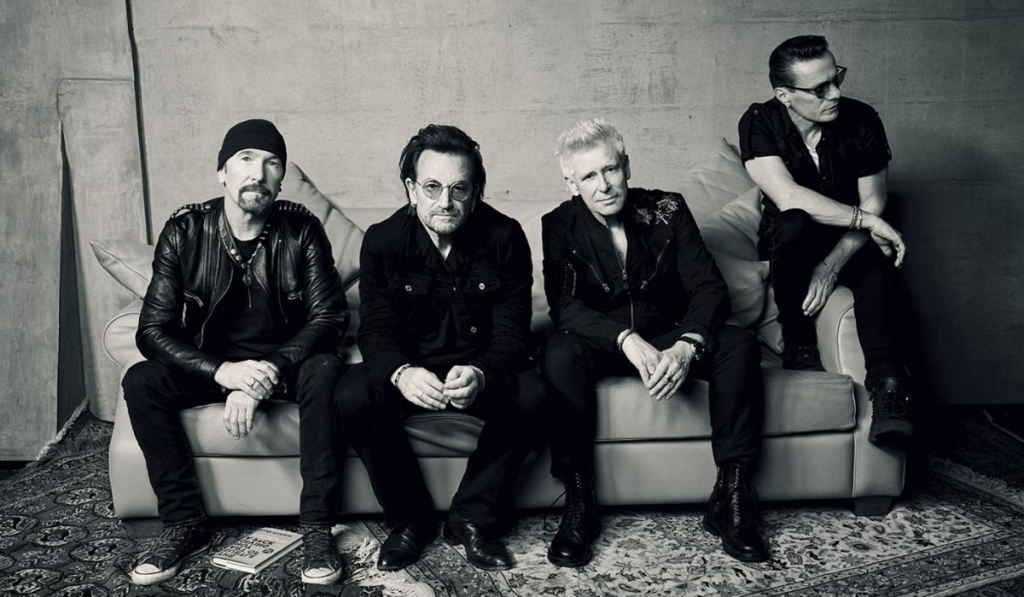
Fuerza Natural, released in 2009, became his final studio album. The record incorporated indie rock, pop rock, dream pop, folk influences, acoustic guitars, and other carefully arranged textures. Its title, meaning “natural force,” became especially poignant when viewed against the events that followed. The album received strong recognition and won the Latin Grammy for Best Rock Album. It demonstrated that Cerati remained creatively ambitious and musically adventurous at the end of his recording career.
Gustavo Cerati and His Guitar Style
Gustavo Cerati was admired for more than his songwriting and voice. Gustavo Cerati guitar playing combined melodic phrasing, atmospheric effects, rhythmic precision, and expressive solos. He could use the guitar as a powerful rock instrument or as a source of subtle textures within an electronic arrangement. His influences were broad, but his playing remained recognizable. He understood that technical ability was most effective when serving a song. This philosophy helped make his guitar parts memorable even when they were surrounded by complex production and layered studio arrangements.
Songwriting and Lyrics
One of Cerati’s greatest strengths was his ability to write lyrics that felt poetic without becoming inaccessible. Gustavo Cerati words often explored relationships, desire, cities, dreams, identity, transformation, and emotional uncertainty. Rather than explaining every idea directly, he frequently created images and impressions that encouraged listeners to interpret the songs personally. This ambiguity gave his music lasting appeal. Different listeners could connect with the same composition in completely different ways, making his songs feel intimate even when they addressed broad human experiences.
Gustavo Cerati as a Producer
His importance as a producer is sometimes overshadowed by his public image as a singer and guitarist. However, production was essential to his artistic identity. Cerati understood how sounds could be layered, manipulated, processed, and positioned to create emotional atmosphere. Gustavo Cerati later albums especially reveal an interest in studio experimentation. He worked with technology as another musical instrument, using programming and electronic effects alongside conventional guitars and drums. This approach helped bridge traditional Latin rock with alternative and electronic production techniques.
Collaborations With Other Artists
Throughout his career, Cerati worked with numerous musicians from Argentina, Latin America, and beyond. Gustavo Cerati collaborations included artists such as Daniel Melero, Andy Summers, Shakira, Roger Waters, Charly García, Andrés Calamaro, Fito Páez, and Mercedes Sosa. These partnerships reflected his curiosity and willingness to cross stylistic boundaries. He could collaborate with artists from very different musical worlds without losing his own identity. Gustavo Cerati openness to collaboration also helped connect Argentine rock with wider international musical communities.
Personal Life and Family
Although he was a major public figure, Cerati generally kept many aspects of his private life away from constant media attention. He was married twice and had two children, Benito and Lisa, with his second wife, Cecilia Amenábar. His son Benito later pursued a career in music, continuing a creative family connection. Cerati’s private life occasionally attracted public attention, but his artistic work remained the central focus of his legacy. His family, friends, collaborators, and fans have continued remembering him as both an influential artist and a deeply creative individual.
Gustavo Cerati Stroke and Final Years
In May 2010, Cerati suffered a stroke after performing in Caracas, Venezuela, while touring in support of Fuerza Natural. He subsequently entered a coma and remained in that condition for several years. The news deeply affected fans throughout Latin America, many of whom continued hoping for his recovery. Gustavo Cerati medical situation became one of the most emotional chapters in his story. Despite his absence from the stage, his music continued reaching new listeners, demonstrating the extraordinary connection he had built with audiences during his lifetime.
Death and Global Mourning
Cerati died in Buenos Aires on September 4, 2014, at the age of 55. Gustavo Cerati death prompted widespread tributes from musicians, cultural organizations, governments, and fans across Latin America and beyond. Buenos Aires officially recognized the importance of his contribution to the city’s cultural life, while large numbers of people gathered to pay their respects. His death represented the loss of one of the most important figures in Latin American rock, but his recordings ensured that his artistic voice would continue to be heard.
Awards and Major Achievements
Cerati received numerous honors during his career, including Latin Grammy Awards, MTV recognition, Gardel Awards, and Konex distinctions. The Fundación Konex recognized him as a leading male rock singer and later honored him posthumously as a male rock soloist. Gustavo Cerati achievements reflected both his popularity and his artistic importance. He also received recognition from cultural institutions in Buenos Aires. These honors demonstrate that his contribution extended beyond commercial success and became part of the broader cultural history of Argentine and Latin American music.
Gustavo Cerati and Latin American Rock
His influence on Latin American rock is difficult to measure because it extends across multiple generations. Soda Stereo helped demonstrate that Spanish-language rock could become a continental cultural force, while Cerati’s solo work showed that artists could combine mainstream success with experimentation. The band’s official history emphasizes its influence across several generations of fans and musicians. Cerati’s work therefore belongs not only to the history of Argentina but also to the larger development of modern Latin American popular music.
Influence on Modern Musicians
Many musicians continue to draw inspiration from Cerati’s approach to songwriting, guitar, production, and experimentation. His ability to combine emotional lyrics with sophisticated sound design created a model for artists who wanted to operate between rock and electronic music. Gustavo Cerati influence can also be heard in the continuing popularity of Soda Stereo’s catalog. New listeners discover his music through streaming platforms, tributes, documentaries, concerts, and family connections. This ongoing discovery ensures that his artistic ideas remain relevant long after his passing.
Enduring Cultural Legacy of Gustavo Cerati
Cerati’s legacy is larger than a list of albums or awards. He represented an artistic philosophy built around curiosity, reinvention, and emotional expression. He refused to remain confined to one musical formula, moving from new wave and rock toward electronic experimentation, dream pop, alternative sounds, and more intimate songwriting. His career demonstrates how an artist can achieve enormous popularity while continuing to challenge personal and musical boundaries. That combination of accessibility and experimentation remains one of the most valuable lessons in his work.
Why Gustavo Cerati Remains Important
The continuing interest in Cerati comes from the emotional and musical depth of his catalog. Gustavo Cerati songs can sound nostalgic, energetic, intimate, mysterious, or futuristic depending on the listener and context. He successfully connected Argentine rock traditions with international influences while maintaining a strong personal voice. His recordings also reward repeated listening because subtle production details become more noticeable over time. For many fans, his music is not simply entertainment; it is connected to memories, relationships, places, and important moments in their lives.
Lasting Impact of Soda Stereo
Although Cerati’s solo career became an essential part of his identity, Soda Stereo remains a cornerstone of his legacy. The band’s combination of music, image, performance, and innovation changed Latin American rock. According to Fundación Konex, the group sold an estimated more than 20 million records worldwide and attracted more than one million people during its 2007 reunion tour. These achievements demonstrate the enormous scale of the band’s cultural reach.
A Legacy Beyond His Lifetime
The story of Cerati continues through recordings, documentaries, tributes, musicians, and listeners who discover his music years after its original release. His catalog remains valuable because it captures different stages of artistic growth rather than presenting one repeated formula. From early Soda Stereo material to his final solo album, each period reveals another aspect of his imagination. Gustavo Cerati music continues crossing borders and generations, confirming that meaningful art can remain alive even after its creator is gone.
Gustavo Cerati Biography in Perspective
Looking at his entire career reveals an artist who continually searched for new possibilities. He began as a young guitarist fascinated by rock, became the leader of one of Latin America’s most successful bands, developed an ambitious solo career, and eventually became recognized as an influential composer and producer. His achievements were supported by technical skill, imagination, discipline, and a willingness to experiment. That combination explains why he remains one of the most respected figures in Latin rock decades after the beginning of his professional career.
Frequently Asked Questions
1. Who was Gustavo Cerati?
- Answer: Gustavo Cerati was an Argentine singer, guitarist, songwriter, composer, and producer best known as the leader and principal composer of Soda Stereo.
2. When was Gustavo Cerati born?
- Answer: He was born on August 11, 1959, in Buenos Aires, Argentina.
3. What was Gustavo Cerati’s most famous band?
- Answer: His most famous band was Soda Stereo, formed with Zeta Bosio and Charly Alberti in the early 1980s.
4. What was his final studio album?
- Answer: His final studio album was Fuerza Natural, released in 2009 and later honored with a Latin Grammy for Best Rock Album.
5. When did Gustavo Cerati die?
- Answer: He died on September 4, 2014, in Buenos Aires, aged 55.
Final Thoughts
Gustavo Cerati remains a defining figure in Argentine and Latin American music because his career combined extraordinary popularity with continuous artistic exploration. From Soda Stereo’s groundbreaking rise to his innovative solo recordings, he consistently expanded the possibilities of Spanish-language rock. His music continues to inspire listeners because it balances strong melodies, expressive guitar work, poetic writing, and adventurous production. Readers seeking a broader reference can explore the related for additional background and discography information.