
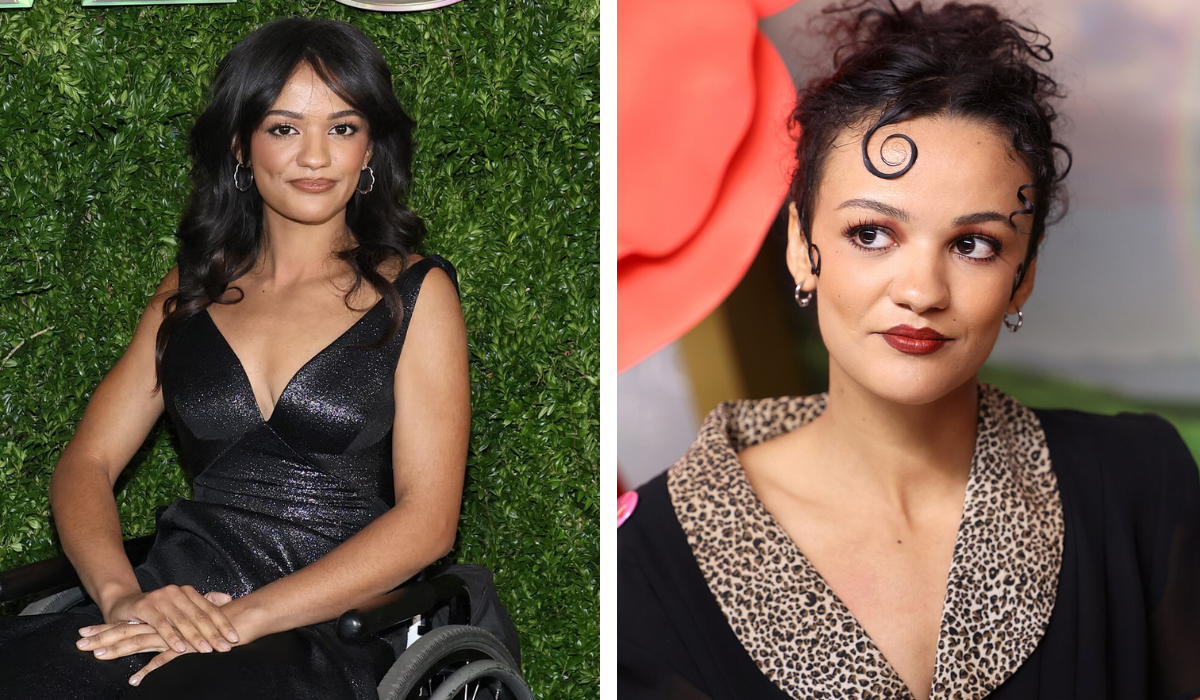
Marissa Bode is an American actress who gained worldwide recognition for portraying Nessarose Thropp in the Wicked film adaptations. Born in Mazomanie, Wisconsin, she developed a passion for acting during childhood and continued pursuing performance after a car accident at age 11 left her using a wheelchair. Her journey from community theater to a major Hollywood production has made her an important voice for authentic disability representation. Her feature-film breakthrough also attracted attention because she became the first wheelchair-using actor to portray Nessarose, giving the character a new level of authenticity and personal perspective.
| Quick Bio | Details |
|---|---|
| Full Name | Marissa Bode |
| Birth Date | August 28, 2000 |
| Birthplace | Mazomanie, Wisconsin, USA |
| Profession | Actress |
| Education | American Musical and Dramatic Academy |
| Breakthrough Role | Nessarose Thropp |
| Major Film | Wicked |
| Sequel | Wicked: For Good |
| Known For | Acting and disability representation |
| Career | Film, theater, short films |
| Current Base | Los Angeles |
Early Life in Wisconsin
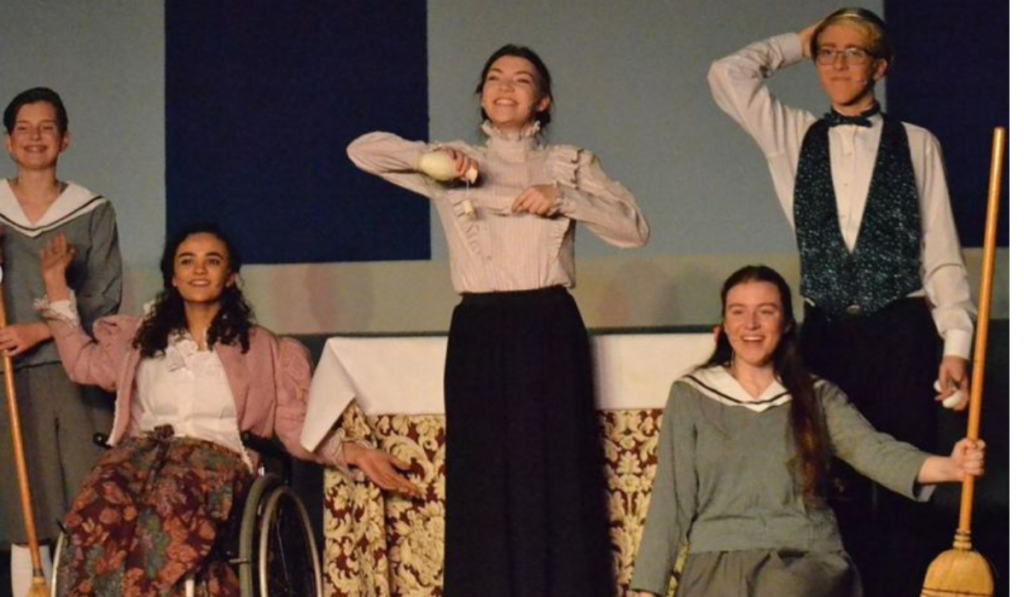
Marissa Bode grew up in Mazomanie, Wisconsin, where her interest in performing began at a young age. She started acting when she was around eight and became involved in local plays and musicals. Early productions helped her discover the confidence and creativity required for performance. Her childhood experiences in community theater eventually became the foundation for a professional acting career. She appeared in productions including Little Shop of Horrors, The Diviners, Peter Pan, and Mary Poppins, gradually developing her skills on stage.
Passion for Acting
Acting was more than a childhood hobby for Bode. She became increasingly fascinated by the ability to create characters and communicate emotions through performance. Community theater gave her opportunities to experiment with different roles while learning about teamwork, rehearsal, timing, and stage presence. Her early experiences also taught her how important accessibility could be within the performing arts. These lessons later became particularly meaningful as she pursued professional opportunities and advocated for better inclusion of disabled performers.
Life-Changing Car Accident of Marissa Bode
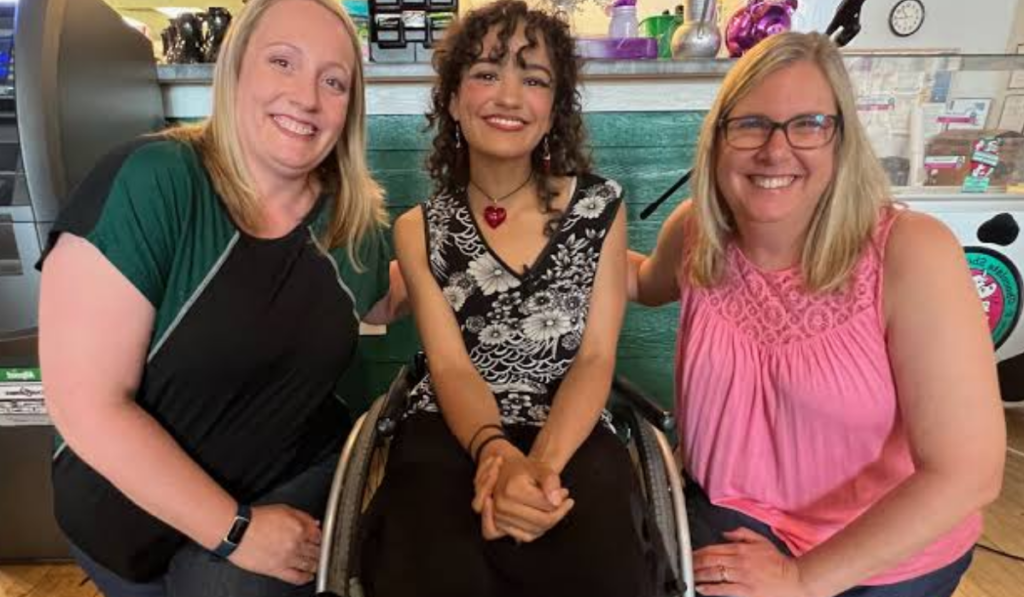
At age 11, Bode experienced a car accident that resulted in paralysis from the waist down. The event dramatically changed her everyday life, but it did not eliminate her ambition to become an actress. She continued participating in performance and learned to navigate new challenges associated with using a wheelchair. Rather than allowing the accident to end her artistic aspirations, she adapted her approach and continued working toward her goals. Marissa Bode perseverance later became an important part of her public story.
Discovering Wicked
One especially meaningful moment came when Bode saw Wicked on stage as a young teenager. The production featured Nessarose, a wheelchair-using character, and seeing someone in a wheelchair represented an important moment for her. It showed her that disability did not have to prevent someone from being represented in musical theater. Years later, that personal connection became even more significant when she auditioned for the film adaptation. Marissa Bode eventual casting transformed a childhood experience into a defining professional opportunity.
Education at AMDA
Bode continued developing her craft through formal training at the American Musical and Dramatic Academy in Los Angeles. She studied acting and earned a Bachelor of Fine Arts in Acting. Marissa Bode education helped her strengthen her performance technique while preparing for professional auditions. Moving from Wisconsin to Los Angeles also placed her closer to the entertainment industry. AMDA later celebrated her success as an alumna after the release of the Wicked films.
Beginning a Professional Career
Before becoming a household name, Bode built experience through theater and short films. Marissa Bode early screen credits included the short film Carsleepers and the project No Roles Written. These smaller opportunities helped her gain practical experience in front of cameras and behind the scenes. Marissa Bode willingness to work across different formats demonstrated that she was interested not only in acting but also in filmmaking. These early projects eventually prepared her for the scale and demands of a major studio production.
You’re Adorable Short Film
An important creative milestone came with You’re Adorable, a short film that Bode wrote, directed, and produced. The project was accepted into the 2021 Wisconsin Film Festival. Creating her own film allowed her to take control of storytelling from multiple creative positions. This experience is significant because it demonstrated that her ambitions extended beyond performing in someone else’s production. Writing and directing also gave her insight into the broader filmmaking process and strengthened her understanding of how stories are developed for audiences.
Breakthrough With Wicked
The biggest turning point in Bode’s career arrived when she was cast as Nessarose in the film adaptation of Wicked. The casting was significant because Nessarose is a wheelchair-using character, and Bode herself uses a wheelchair. Marissa Bode performance therefore brought lived experience to a role that had historically been portrayed by performers who did not use wheelchairs. The decision attracted considerable attention from audiences and disability advocates, making her feature-film debut an important cultural moment.
Playing Nessarose
Nessarose is the younger sister of Elphaba, the central character in Wicked. The character’s story involves family relationships, romance, ambition, insecurity, and eventually a transformation that connects her to the mythology of Oz. Bode approached Nessarose as a multidimensional person rather than simply focusing on her disability. Marissa Bode performance helped audiences see the character as someone with emotions, desires, frustrations, and complicated relationships. This approach contributed to wider conversations about how disabled characters can be portrayed with greater depth.
Authentic Disability Representation of Marissa Bode
One of the most important aspects of Marissa Bode casting was authenticity. She became the first wheelchair-using actor to portray Nessarose in the film adaptation. The decision challenged the longstanding practice of casting nondisabled performers in disabled roles. Bode has consistently emphasized the importance of allowing disabled performers to tell stories connected to their own experiences. Marissa Bode role consequently became larger than a single character, contributing to discussions about casting practices and opportunities for disabled actors in Hollywood.
Accessibility on the Wicked Set
The Wicked production also made accessibility adjustments to support Bode. Reports described ramps, accessible production areas, and modifications to her trailer, including adjustable fixtures. The production additionally worked with disability professionals to help create an environment that allowed her to work safely and effectively. These changes demonstrated how production design can accommodate disabled performers without compromising the creative ambitions of a large-scale movie. Bode’s experience has consequently become an example of why accessibility should be considered during planning rather than added as an afterthought.
Performing Flying Stunts of Marissa Bode
One memorable element of the movie involved Nessarose being lifted into the air in her wheelchair. Bode participated in the sequence and reportedly enjoyed performing the stunt. Marissa Bode wheelchair was attached to a wire system, with safety considerations built into the production. She ultimately performed her own stunts for the scene despite the availability of a stunt double. The moment became an entertaining example of how practical filmmaking and accessibility could work together while allowing the performer to remain directly involved in the action.
Working With the Wicked Cast
Bode joined an ensemble that included major performers such as Cynthia Erivo, Ariana Grande, Jonathan Bailey, Michelle Yeoh, Jeff Goldblum, and Ethan Slater. Entering such a high-profile production was a major step for a relatively new screen performer. Working alongside established actors gave her valuable professional experience while placing her performance before an international audience. Her transition from local theater to a major studio musical illustrated how quickly a dedicated performer can move forward when talent, preparation, and the right opportunity come together.
Wicked: For Good
Bode returned as Nessarose in Wicked: For Good, the second film in the two-part adaptation. The sequel allowed her to continue developing the character and complete Nessarose’s story within the cinematic version of Oz. Marissa Bode involvement across both films strengthened her connection with the franchise and gave audiences more time to understand her character. The sequel also continued the broader conversation around disability representation that had followed the first movie.
Career Recognition
The success of the Wicked films brought substantial attention to Bode’s acting career. Her performance contributed to recognition from entertainment organizations and helped establish her as a rising performer. Her profile expanded beyond the movie itself as publications interviewed her about acting, disability, accessibility, and representation. Rather than being known only as a newcomer from one blockbuster, she increasingly became associated with a broader cultural discussion about inclusion in entertainment.
Advocacy for Disabled Performers of Marissa Bode
Bode has used her growing public platform to encourage greater representation of disabled people in entertainment. Her advocacy centers on the idea that disabled performers should have opportunities to play disabled and nondisabled characters. This perspective challenges assumptions about what roles wheelchair users can perform. Her career demonstrates that accessibility and artistic ambition can coexist. By speaking openly about her experiences, she has helped encourage conversations about casting, production accessibility, and the importance of disabled people having greater control over stories involving disability.
Representation Beyond One Character
The importance of Bode’s work extends beyond Nessarose. For many viewers, seeing a wheelchair-using actor in a major musical production can challenge expectations about who belongs on screen. Representation can influence how audiences understand disability and can also inspire aspiring performers who may previously have believed that acting careers were inaccessible. Bode’s visibility therefore carries significance both within Hollywood and among younger audiences who want to see broader possibilities reflected in mainstream entertainment.
Personal Life and Identity
Bode has spoken publicly about her identity and experiences outside acting. Public biographical sources describe her as queer, and reports have discussed her relationship with Lauren Brooks. She has also become known for discussing disability and representation in interviews and social media. While professional achievements remain central to her public profile, her willingness to discuss personal experiences has helped audiences understand the person behind the character. Her openness has also contributed to conversations about intersectional representation in entertainment.
Interests Outside Acting
Bode has creative interests beyond traditional acting. Sources have noted her interest in filmmaking, painting, and cooking. These activities reflect the broader creative personality that has shaped her professional development. Her experience directing and producing You’re Adorable also shows that filmmaking can be a personal creative outlet rather than simply a career goal. Having multiple interests allows her to explore storytelling from different perspectives and potentially develop projects in which she has greater creative control.
Why Her Story Inspires Audiences
The journey of Bode resonates because it combines perseverance, artistic ambition, and representation. She continued pursuing acting after a life-changing accident and eventually earned a role connected to a character she had once seen on stage. That progression gives her story a powerful sense of continuity. Her success also demonstrates that barriers within entertainment can be challenged when performers, filmmakers, and production teams commit to accessibility and authentic casting.
Influence on Hollywood
The broader influence of Bode’s breakthrough can be seen in conversations about casting disabled actors. Her success provides a visible example of what can happen when a major production chooses authenticity. Hollywood has long faced criticism for limited disability representation, and high-profile roles can help shift expectations. Bode’s career may encourage future filmmakers to consider disabled performers for a wider variety of characters rather than limiting them to stereotypical roles or excluding them entirely.
Future Career Opportunities
Following the success of the Wicked films, Bode’s career has significant potential for expansion. She has already demonstrated abilities in acting, filmmaking, and public advocacy. Her future projects could include dramatic films, comedies, television productions, independent cinema, or creative work behind the camera. She is also connected to the upcoming horror project Snare, which could provide an opportunity to show audiences a different side of her acting abilities.
Career Lessons From Her Journey
There are several lessons that can be taken from Bode’s career. First, early experience can create a strong foundation for professional success. Second, obstacles do not necessarily eliminate creative ambitions. Third, representation can become more meaningful when people with lived experience are included in storytelling. Finally, performers can expand their opportunities by developing skills beyond one discipline. Her combination of acting, filmmaking, advocacy, and creative interests illustrates the value of building a versatile career.
Cultural Importance of Wicked
The Wicked franchise provided an unusually visible platform for disability representation because Nessarose is an established character known to audiences around the world. Casting a wheelchair-using performer gave the film an opportunity to align the actor’s lived experience with the character’s physical reality. Bode’s involvement therefore became part of the franchise’s cultural conversation. The role helped demonstrate that authentic representation can exist within major commercial entertainment while still allowing performers to bring personality and complexity to their characters.
Legacy of Her Breakthrough
Although Bode’s mainstream career is still developing, her feature-film debut has already created a meaningful milestone. She entered Hollywood through a role that directly connected her personal experience with an important fictional character. Her work has encouraged discussions about disability representation while giving audiences a memorable performance. If she continues taking diverse roles and developing original projects, her influence could extend far beyond the Wicked franchise and become part of a larger shift toward inclusive filmmaking.
Final Thoughts on Marissa Bode
Marissa Bode’s story combines determination, creativity, professional growth, and meaningful representation. From Wisconsin community theater to major Hollywood productions, she has built a career that reflects both preparation and persistence. Her portrayal of Nessarose introduced her to a global audience while helping challenge traditional ideas about disability casting. As she continues developing as an actress and filmmaker, her career will likely remain closely connected to conversations about authentic representation and accessibility. Readers interested in additional background can explore the related Wikipedia page for Marissa Bode for further biographical information.
FAQs
1. Who is Marissa Bode? — • She is an American actress best known for playing Nessarose in the Wicked films.
2. What is Marissa Bode famous for? — • She is recognized for her role as Nessarose and for advancing authentic disability representation in Hollywood.
3. When did Marissa Bode begin acting? — • She began acting as a child and participated in local theater productions from an early age.
4. Where did Marissa Bode study acting? — • She studied acting at the American Musical and Dramatic Academy in Los Angeles.
5. What role does Marissa Bode play in Wicked? — • She portrays Nessarose Thropp, Elphaba’s younger sister and a wheelchair-using character in the story.