

Introduction
HRMTaila is an interesting keyword appearing in online discussions about artificial intelligence, hrmtaila review human resource management, workplace automation, and modern business technology. Many readers are curious about its meaning, possible applications, and connection with digital employee management. However, before considering it a real software platform, it is important to examine the available information carefully. This review explores its background, possible uses, advantages, limitations, and important considerations for businesses and individuals.
| Quick Overview | Details |
|---|---|
| Keyword | HRMTaila |
| Industry | Human Resources and Technology |
| Main Association | AI-assisted HR management |
| HRM Meaning | Human Resource Management |
| Technology | Artificial Intelligence and Automation |
| Possible Applications | Recruitment, onboarding, employee administration |
| Official Developer | Not verified |
| Founder | Unknown |
| Official Website | Not independently confirmed |
| Launch Date | Unknown |
| Pricing | Not verified |
| Mobile Application | Not confirmed |
| Customer Reviews | No verified product-specific reviews |
| Current Status | Unverified online term |
| Review Year | 2026 |
1. What Is HRMTaila?
HRMTaila is an online term associated with artificial intelligence and human resource management. Different websites describe it as a modern approach to managing employees through digital technology. These descriptions connect the term with recruitment, payroll administration, attendance monitoring, employee records, and workplace automation. However, there is currently insufficient reliable evidence to establish it as an actual commercial software platform. Understanding this difference is important because general descriptions of HR technology should not be confused with verified product capabilities.
The letters HRM commonly represent Human Resource Management, a business function responsible for managing employees and workplace relationships. The complete origin and official meaning of the additional word remain unclear. Therefore, readers should avoid assuming that every feature discussed online belongs to a specific application.
2. Why Is HRMTaila Getting Attention?
Interest in this keyword is connected with the growing popularity of artificial intelligence in business operations. Companies increasingly explore digital tools that can reduce repetitive administrative work and improve employee experiences. As a result, unfamiliar technology-related terms sometimes attract attention through online articles, search engines, and discussions.
Another reason for its popularity is the connection between human resources and automation. Business owners want easier ways to organize employee information, monitor workplace activities, and manage recruitment. This makes unfamiliar HR-related keywords interesting to readers researching modern business solutions.
3. Is HRMTaila a Real Software Platform?
One of the most important questions in this review concerns whether an established software product exists under this name. Currently, publicly available information does not independently establish a recognized developer, registered software company, verified application, or official product documentation.
There are websites presenting it as an advanced HR management solution. However, descriptions published by independent blogs do not automatically prove that a commercial product exists. A legitimate software provider should normally offer identifiable ownership information, product demonstrations, customer support, pricing details, and documentation.
4. Understanding the Connection With Human Resource Management
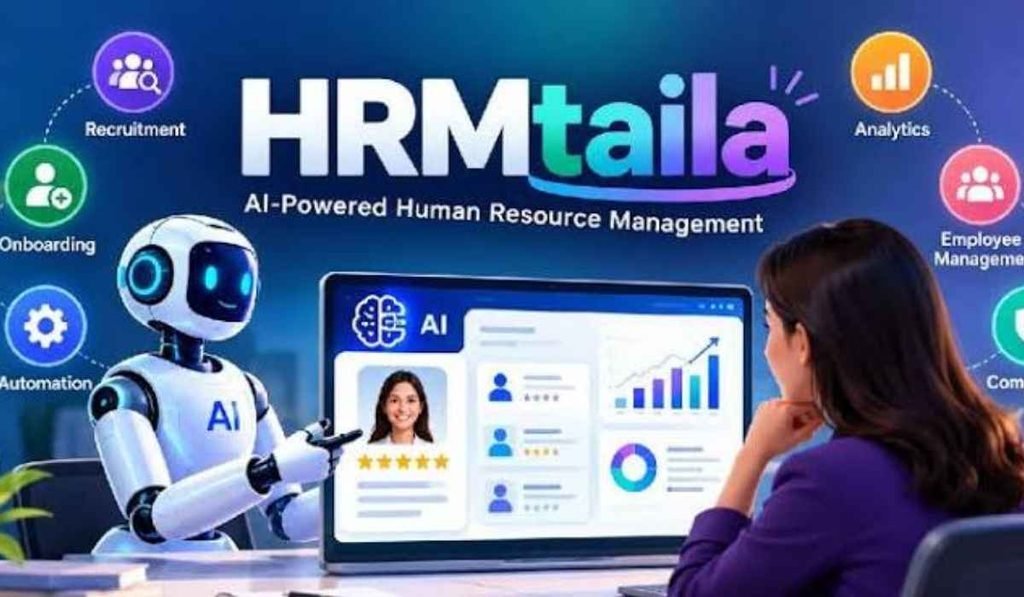
Human Resource Management involves organizing and supporting the people who work within an organization. It includes hiring, employee development, workplace communication, compensation administration, performance evaluation, and maintaining employment records.
Modern organizations use technology to make these responsibilities more manageable. Digital HR systems can organize information, automate reminders, and provide reports that help managers understand workforce requirements. These established practices explain the broader subject associated with this keyword, even though a specific platform remains unverified.
5. How Does the Technology Behind HRMTaila Work?
The general idea associated with this term involves combining digital employee information with automation and artificial intelligence. In an established HR system, information is collected, organized, and processed to support different administrative activities.
For example, software might organize applications, schedule interviews, send onboarding reminders, or generate employee reports. Artificial intelligence can also assist with answering common workplace questions. These are examples of existing HR technology, not independently confirmed functions of a product carrying this particular name.
6. Possible Recruitment and Hiring Features
Recruitment is one of the most important responsibilities of an HR department. Businesses receive applications, review qualifications, arrange interviews, and communicate with potential employees. Digital recruitment systems can help organize these activities and reduce unnecessary paperwork.
AI-assisted recruitment technology can also identify relevant skills and organize candidate information. However, hiring decisions should involve human judgment because automated systems can make mistakes or reproduce unfair patterns. No verified recruitment module has been established for the product discussed in this review.
7. Employee Management and Administration
Employee administration includes maintaining personal records, employment details, job responsibilities, and workplace information. Businesses need accurate records to manage their workforce effectively and respond to employee requests.
Modern HR management systems provide centralized recordkeeping and controlled access to important information. They can make administrative work easier for authorized staff. Nevertheless, organizations should verify the provider, security arrangements, and actual capabilities of any software before entering confidential employee information.
8. Attendance and Time Tracking
Attendance management helps businesses understand when employees HRMTaila begin working, finish their shifts, and take approved leave. Traditional organizations often use spreadsheets, paper registers, or manual attendance systems.
Digital attendance technology can simplify this process through electronic records and automated reporting. Some systems also provide scheduling tools and notifications. Although these capabilities are commonly associated with modern HR software, there is no reliable product documentation confirming that they are available through this particular service.
9. Payroll Management and Financial Records
Payroll management involves calculating employee compensation, maintaining payment information, and preparing relevant financial records. Accuracy is essential because mistakes can affect employee satisfaction and create compliance problems.
Established payroll platforms can automate calculations, generate reports, and organize payment schedules. Businesses should carefully examine tax support, local employment requirements, data protection, and integration options before choosing a payroll solution. No verified pricing or payroll functionality has been established for the name examined here.
10. Artificial Intelligence in Human Resources
Artificial intelligence is changing how businesses approach employee administration and workforce planning. AI-powered systems can analyze information, recognize patterns, organize documents, and assist with routine communication.
For example, an HR assistant may answer frequently asked questions about workplace policies or explain how employees can request leave. Other systems can help summarize recruitment information. These developments provide useful context for understanding why this keyword is associated with AI, although its own technical capabilities remain unconfirmed.
11. Employee Onboarding and Training
Onboarding is the process of introducing new employees to an organization. It commonly includes completing employment documents, understanding company policies, meeting colleagues, and receiving initial training.
Digital onboarding platforms can automate reminders and organize training materials. They may also help managers track whether new employees have completed important steps. A well-organized onboarding experience can improve communication and reduce confusion during the first weeks of employment.
12. Performance Management and Employee Development
Performance management helps organizations evaluate employee progress and identify opportunities for professional development. It can involve regular feedback, goal setting, performance discussions, and training recommendations.
Digital systems make it easier to organize these activities and maintain historical records. Managers can use structured reports to understand performance trends. However, employee evaluation should never depend entirely on automated scores because individual circumstances and workplace contributions require appropriate human consideration.
13. Workforce Analytics and Reporting
Workforce analytics involves examining employee-related information to understand organizational performance. Businesses may analyze recruitment patterns, staff turnover, attendance, training participation, and workforce distribution.
Digital reporting tools can turn large amounts of information into understandable summaries. This helps managers identify potential problems and plan staffing requirements. Reliable reports depend on accurate information, suitable analytical methods, and clear explanations of how conclusions are reached.
14. Cloud-Based HR Technology
Cloud-based HR software allows authorized users to access business information through internet-connected devices. Instead of maintaining every record on separate computers, organizations can use centralized online systems.
This approach can support remote teams, multiple office locations, and flexible working arrangements. However, cloud services also require appropriate access controls, secure authentication, backups, and transparent data-handling policies. Businesses should never assume that an unfamiliar platform provides these protections without checking its documentation.
15. Potential Benefits for Small Businesses
Small businesses often have limited administrative resources. Owners may handle recruitment, employee records, attendance, and workplace communication without a dedicated HR department.
Digital HR solutions can reduce repetitive tasks and create more organized processes. Automated reminders and centralized records may save valuable time. Nevertheless, businesses should compare established providers and their actual features rather than purchasing a service simply because an online article describes it as innovative.
16. Potential Benefits for Large Organizations
Large organizations manage employees across multiple departments, locations, and professional levels. Their HR requirements can involve complicated reporting structures, recruitment procedures, employee development programs, and regulatory responsibilities.
Integrated HR systems can help centralize information and improve communication between departments. They may also provide management reports that support long-term workforce planning. The most appropriate solution depends on organizational size, technical requirements, security expectations, and available resources.
17. Data Privacy and Information Security
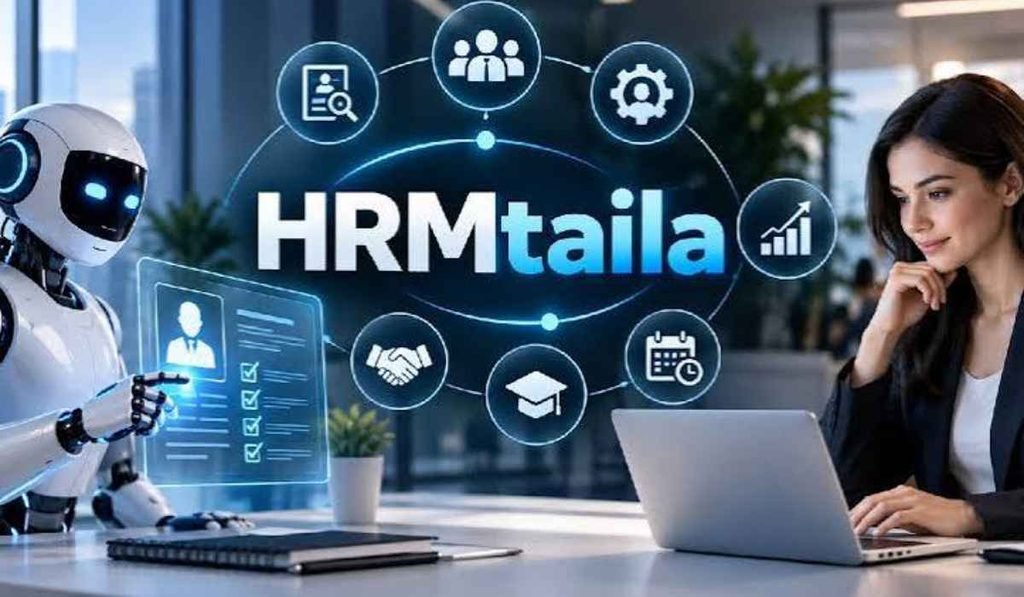
Employee information is highly valuable and should receive careful protection. HR databases can contain contact details, employment documents, salary records, performance information, and other confidential material.
Before trusting any unfamiliar HR service, businesses should investigate its privacy policy, encryption practices, access controls, backup arrangements, and data storage procedures. They should also understand who can access employee records and whether information is shared with external providers. Without verified security documentation, uploading sensitive records would be an unnecessary risk.
18. Possible Limitations and Disadvantages
Although digital HR technology can offer important advantages, it also has limitations. Software may produce incorrect results, experience technical problems, or require additional training before employees can use it confidently.
Automation can also create problems when organizations depend on it too heavily. Poorly designed systems may overlook individual circumstances or provide inaccurate recommendations. For these reasons, businesses need reliable support, appropriate testing, and human supervision when introducing technology into important workplace processes.
19. Is HRMTaila Safe to Use?
Safety is an important consideration whenever a website or software service requests personal or business information. A professional-looking website alone does not prove that a platform is trustworthy.
At present, there is insufficient independently verified information to establish the identity, security standards, ownership, or operating history of a commercial service under this name. Users should avoid submitting employee records, payment information, passwords, or confidential business documents to an unverified provider.
20. Is There an Official Website?
An official website normally provides information about the company, its products, contact channels, privacy policy, terms of service, and customer support. These details help potential customers understand who operates a service.
For this keyword, no authenticated commercial product website has been independently confirmed. Search results mainly contain informational articles discussing its possible connection with AI-powered HR management. Readers should distinguish independent explanations from official company announcements.
21. HRMTaila Pricing and Subscription Plans
Pricing is another important factor when evaluating business software. Established providers generally explain their subscription costs, billing periods, available features, and limitations before customers make purchasing decisions.
There is currently no verified pricing structure, subscription plan, free trial, or paid version associated with this particular name. Anyone advertising a paid subscription under this label should provide clear company information and written details about the service before requesting payment.
22. Mobile Accessibility and User Experience
Mobile accessibility has become increasingly important in modern workplaces. Employees may need to check schedules, request leave, read company announcements, or access approved employment documents while away from their desks.
Established HR applications often provide mobile-friendly websites or dedicated smartphone applications. These options can improve convenience and communication. However, there is no independently confirmed mobile application or verified user interface for the service discussed in this article.
23. Customer Reviews and Public Reputation
Independent customer feedback can help potential buyers understand whether software performs as advertised. Useful reviews normally explain actual experiences with installation, customer support, performance, reliability, and pricing.
For this name, there is not enough verified product-specific customer feedback to establish a trustworthy reputation. Articles describing possible features should not be treated as genuine customer testimonials. Before making a decision, readers should look for independent reviews connected to an identifiable software provider.
24. Comparing the Concept With Traditional HR Software
Traditional HR software generally focuses on organizing employee records, managing attendance, supporting recruitment, and maintaining administrative information. Many established platforms also provide payroll integrations, reporting, and employee self-service options.
AI-assisted systems can add features such as document analysis, automated responses, and workforce insights. The important distinction is that these are real technology categories, while the commercial identity of the keyword examined here has not been established. Comparing documented features is more useful than relying on product descriptions without evidence.
25. Important Things to Check Before Choosing HR Software
Businesses should evaluate several factors before selecting a digital HR solution. The first is the provider’s identity. A legitimate company should explain its ownership, contact information, and operating history.
The second consideration is functionality. Buyers should request a product demonstration and confirm that the software supports their actual requirements. Security, pricing, customer support, integration options, and contract conditions should also be examined carefully before making a financial commitment.
26. Alternatives to Unverified HR Platforms
Businesses looking for dependable HR technology can investigate established providers with publicly available product documentation. Examples include BambooHR for employee administration, Workday for enterprise workforce management, and Oracle HCM for integrated HR operations.
These providers have identifiable products and established business operations. Their suitability still depends on company size, budget, location, and specific requirements. Comparing real demonstrations and published terms is more reliable than assuming an unfamiliar name represents a fully developed solution.
27. The Importance of Human Supervision
Technology can make HR processes more efficient, but it cannot completely replace human understanding. Employees sometimes face complicated situations involving workplace disagreements, personal circumstances, professional development, and sensitive employment matters.
Human HR professionals can consider context that automated systems might overlook. They can also explain decisions, listen to employee concerns, and provide appropriate support. A balanced approach combines useful automation with accountability and responsible human supervision.
28. Future Possibilities of AI-Powered HR Management
The future of HR technology is likely to involve more sophisticated automation, intelligent assistants, improved workforce reporting, and personalized employee services. Organizations may increasingly use digital tools to organize information and identify professional development opportunities.
AI systems may also become better at supporting communication between employees and HR departments. However, technological progress will require careful attention to privacy, fairness, transparency, and employment regulations. The future of HR management should focus on improving workplace experiences rather than automating every human interaction.
29. Who Should Be Interested in HRMTaila?
People researching this keyword may include business owners, HR professionals, technology enthusiasts, students, and individuals interested in artificial intelligence. Each group may approach the subject from a different perspective.
Business owners may want to understand modern employee management systems. Students may be researching emerging technology terminology, while HR professionals may be interested in automation and workforce analytics. Regardless of the reason, readers should separate general technology information from claims about an independently verified commercial product.
30. Final Verdict: Is HRMTaila Worth Your Attention?
This review finds that the name is associated with discussions about artificial intelligence and human resource management. The broader technologies behind these discussions are real and increasingly relevant to modern businesses.
However, the available evidence does not establish an official developer, verified commercial platform, confirmed pricing, or independent customer reputation. Therefore, readers should approach claims about specific features with caution. Businesses interested in HR automation should prioritize identifiable providers, transparent documentation, reliable customer support, and strong information security.
31. Frequently Asked Questions About HRMTaila
1. What is HRMTaila?
– HRMTaila is an online keyword associated with artificial intelligence and human resource management, but its identity as a commercial software product has not been independently verified.
2. Is HRMTaila a legitimate HR software platform?
– There is currently insufficient reliable public evidence confirming an established company, official application, or commercial software platform operating under this name.
3. What does HRM mean in HRMTaila?
– HRM commonly stands for Human Resource Management, which covers recruitment, employee administration, training, workplace relationships, and workforce planning.
4. Does HRMTaila offer artificial intelligence features?
– Online descriptions associate the term with AI, but no independently verified technical documentation or proprietary AI features have been confirmed.
5. Is HRMTaila safe for business and employee information?
– Its security standards have not been established, so businesses should avoid uploading confidential employee records or financial information without verified security documentation.
32. Why Verification Matters Before Purchasing
Choosing business software is an important decision because it can affect daily operations and confidential information. Companies should never rely only on promotional descriptions or articles that promise advanced capabilities without providing evidence.
A trustworthy provider should offer clear documentation, transparent subscription terms, technical support, and information about its security practices. Customers should also understand how their information is collected, stored, processed, and protected. These checks can prevent unnecessary expenses and reduce the possibility of exposing sensitive business information.
33. How to Evaluate Modern HR Technology
Evaluating HR technology requires more than checking its advertised features. Businesses should first identify their administrative problems and determine which processes need improvement. For example, one company may need better recruitment management, while another may prioritize attendance and payroll reporting.
After identifying these requirements, organizations can compare software demonstrations, customer feedback, pricing, and integration options. Testing a platform with non-sensitive sample information is also useful. This approach helps decision-makers understand whether a solution provides practical value before introducing it into everyday operations.
34. The Role of Digital Transformation in HR
Digital transformation is changing how organizations manage employees and workplace responsibilities. Businesses increasingly use online platforms to reduce paperwork, improve communication, and organize information more efficiently.
This transformation also creates opportunities for better employee experiences. Digital self-service tools can help workers access approved information, submit requests, and understand workplace policies. Nevertheless, successful transformation requires proper training, clear responsibilities, and technology that genuinely addresses organizational needs.
35. Final Thoughts on HRMTaila
Overall, this topic provides an opportunity to explore the growing relationship between artificial intelligence and human resource management. Although many online descriptions connect the name with recruitment, payroll, employee administration, and automation, these descriptions should not be mistaken for verified product specifications. The most responsible conclusion is that its commercial identity remains unconfirmed. Readers interested in this subject can explore the broader field through Wikipedia’s Human Resource Management article, which explains the established principles and responsibilities behind modern HR practices.