

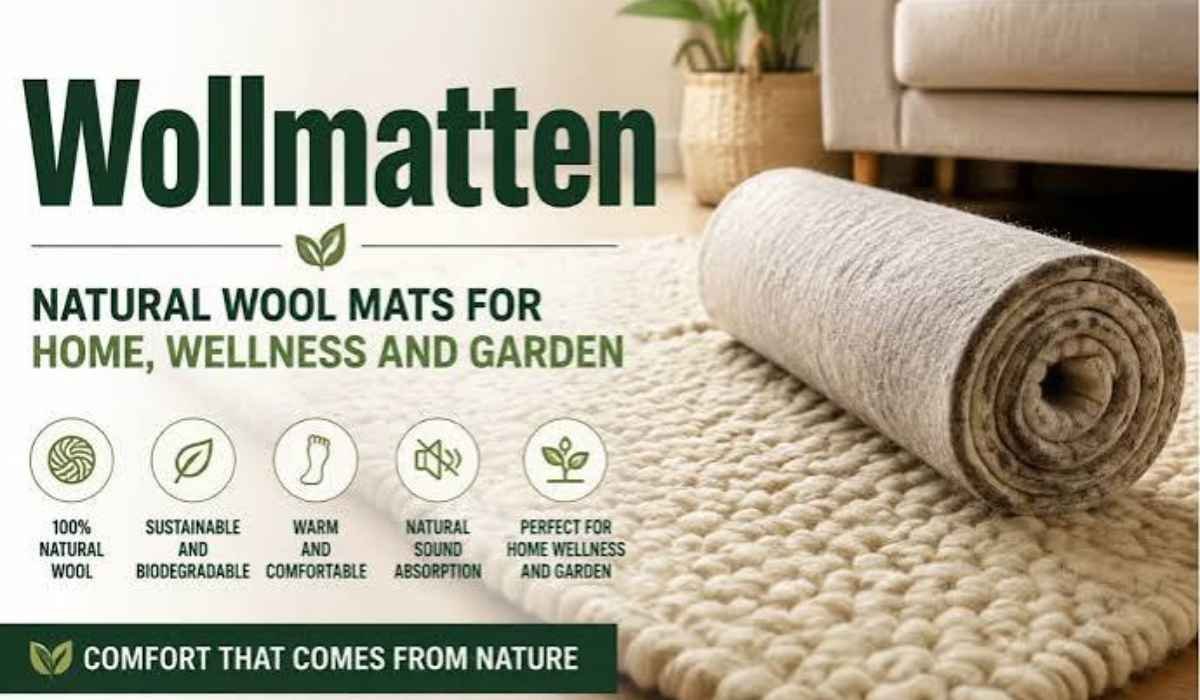
Wollmatten are wool-based mats that combine natural materials, practical functionality, comfort, and attractive designs. The German word translates into English as wool mats, referring to products manufactured using sheep’s wool or other wool fibres. These products are available in different shapes, thicknesses, textures, and manufacturing styles. They can be used in homes, gardens, construction projects, craft activities, and specialized applications. Their popularity comes from the useful characteristics of wool, including warmth, flexibility, moisture management, and natural insulation. Understanding their materials, benefits, and applications can help buyers choose a suitable product for their particular requirements.
Quick Bio Table
| Category | Details |
|---|---|
| Keyword | Wollmatten |
| Meaning | Wool mats |
| Language | German |
| Singular Form | Wollmatte |
| Main Material | Sheep’s wool |
| Product Category | Natural fibre mats |
| Manufacturing | Felting, weaving, pressing, and needling |
| Common Uses | Flooring, insulation, gardening, and crafts |
| Main Benefits | Comfort, warmth, and versatility |
| Material Type | Natural animal fibre |
| Maintenance | Depends on product construction |
| Sustainability | Depends on sourcing and manufacturing |
1. What Are Wollmatten?
Wool mats are products manufactured from natural wool fibres, usually obtained from sheep. They can have soft, flexible, thick, or compact structures depending on their intended purpose. Some are designed for household decoration, while others are manufactured for insulation, furniture protection, or specialized activities. Their natural appearance makes them attractive to people who appreciate traditional materials. The manufacturing process also influences their strength, texture, and overall performance. Before purchasing one, it is important to understand the product specifications and determine whether its construction matches the intended application.
2. Understanding the Meaning of Wollmatten
The word comes from the German language and combines two simple terms. Wolle means wool, while Matten represents the plural form of mat. Together, the expression translates into wool mats. The singular version is Wollmatte. Although the translation sounds straightforward, the term covers several different product categories. It does not identify one particular company, registered brand, or standardized manufacturing technique. Online searches may therefore display decorative floor coverings, felt sheets, insulation materials, and other wool-based products under the same general description.
3. History of Wool-Based Mats
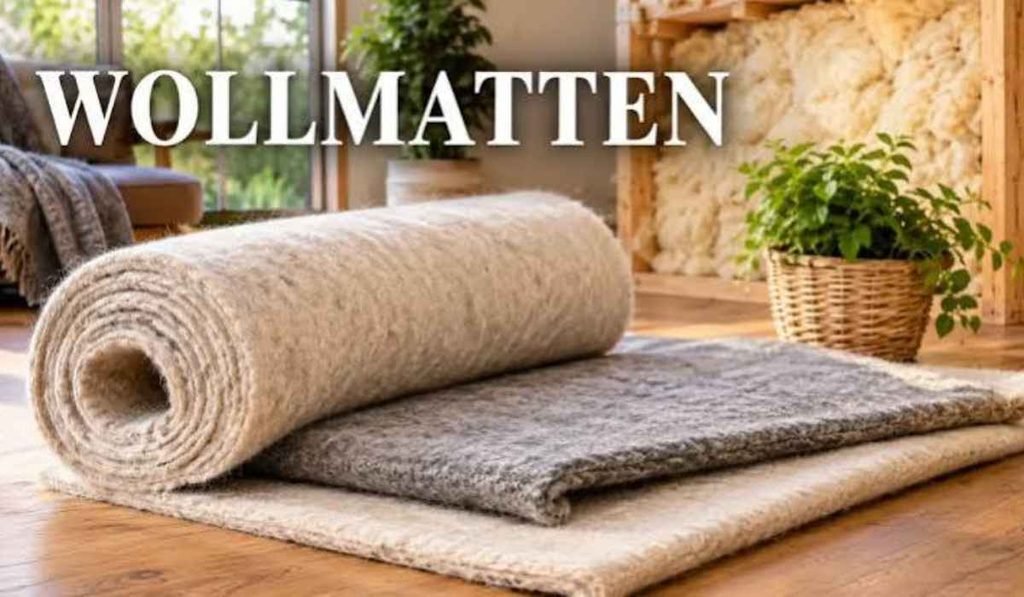
Wool has been used for clothing, blankets, carpets, and household textiles for thousands of years. Early communities valued its availability, warmth, and ability to provide protection against uncomfortable weather. As textile production developed, wool became an important material for household furnishings and decorative products. Traditional weaving and felting techniques allowed craftspeople to create useful surfaces from natural fibres. Modern manufacturing has expanded these techniques through specialized machinery and improved processing methods. Today, wool continues to have a place in interior decoration, construction materials, and traditional handicrafts.
4. Main Materials Used in Production
Sheep’s wool is the most common material used in wool-based mats. Its fibres contain a natural structure that provides flexibility and helps trap air. Some manufacturers also use wool from other animals, depending on availability and product requirements. Additional materials may include cotton, synthetic support fibres, rubber backing, natural latex, or binding substances. These additions can improve stability, durability, or handling characteristics. However, they also affect the product’s overall composition. Buyers should always examine the material declaration to determine how much natural wool an individual product actually contains.
5. Different Types Available
There are several varieties of wool mats available in the market. Each type has different characteristics and is designed for particular purposes.
- Felted mats provide a dense and compact surface.
- Woven mats feature interlaced fibres and textile patterns.
- Tufted mats offer a softer, carpet-like appearance.
- Needle-punched mats use mechanically connected fibres.
- Decorative mats improve the appearance of indoor spaces.
- Insulation mats are designed for suitable building applications.
Understanding these differences helps consumers avoid selecting a product that is unsuitable for their intended use.
6. Felted Wool Mats
Felted products are manufactured by combining wool fibres through moisture, heat, pressure, and movement. This process encourages individual fibres to connect and form a stable material. The resulting surface can be relatively firm, compact, and flexible. Felted products are commonly used for furniture protection, household accessories, crafts, and certain industrial applications. Their thickness and density depend on the manufacturing process. Some varieties are thin enough for creative projects, while thicker versions provide additional cushioning. Proper cleaning and storage can help maintain their appearance and useful characteristics.
7. Woven Wool Mats
Woven varieties are produced by interlacing wool yarns using traditional or modern weaving equipment. This technique creates different patterns, textures, and surface designs. Manufacturers can produce simple solid colours, decorative geometric arrangements, or more detailed textile patterns. Woven products are particularly suitable for interior decoration because they can complement different furniture styles. Their flexibility also allows manufacturers to create different shapes and dimensions. Depending on the yarn quality and construction, they can offer comfortable surfaces for everyday household use.
8. Natural Insulation Properties
Wool fibres have a naturally crimped structure that creates small spaces Wollmatten capable of trapping air. This characteristic helps wool-based materials provide thermal insulation. Specialized wool insulation products can contribute to reducing heat transfer through suitable building structures. They may be used in roofs, walls, ceilings, and other approved applications. However, decorative floor coverings should not be confused with tested construction insulation. Buyers and builders must check technical specifications, installation requirements, and relevant building regulations before choosing a product for insulation purposes.
9. Comfort and Softness
Comfort is one of the reasons people appreciate natural wool surfaces. Depending on their thickness and construction, these products can provide a pleasant surface for walking, sitting, or placing household objects. Soft varieties are particularly suitable for bedrooms, reading corners, and selected living spaces. Dense felted versions may provide additional cushioning beneath furniture or decorative accessories. The actual comfort level depends on fibre quality, density, and backing material. Trying the material before purchasing can help determine whether its texture meets personal expectations.
10. Environmental Benefits
Wool is a renewable natural fibre because sheep produce new fleece through their natural growth cycle. When sourced responsibly and processed using suitable methods, it can contribute to products with a natural material composition. Some wool products are also biodegradable under appropriate conditions. Nevertheless, environmental performance depends on farming practices, transportation, cleaning processes, dyes, adhesives, and additional materials. A mat containing synthetic backing or chemical treatments may have different disposal requirements from an untreated wool product. Responsible sourcing and transparent manufacturing information are important considerations.
11. Uses in Modern Homes
Natural wool surfaces can be incorporated into different areas of residential properties. Small mats may be placed near beds, beside sofas, or beneath decorative objects. Larger varieties can serve as attractive floor coverings in selected rooms. They can also provide additional comfort in reading spaces, home offices, and relaxation corners. Their natural textures complement wooden furniture, neutral colours, and traditional interior designs. Choosing suitable dimensions and colours helps create a balanced appearance without making a room feel overcrowded.
12. Interior Decoration and Design
Interior designers often consider texture, colour, and material when selecting floor accessories. Wool products provide opportunities to introduce natural patterns and visual warmth into a room. Neutral shades can complement minimalist interiors, while colourful designs may create an attractive focal point. Round, rectangular, and irregular shapes can also influence how a space looks. A carefully selected mat can connect different furniture elements and improve the overall appearance of a room. The best choice depends on existing decorations and the atmosphere someone wants to create.
13. Applications in Gardening
Certain wool-based mats are manufactured for gardening and agricultural activities. Depending on their construction, they may be used as mulch coverings, plant protection materials, or soil-management products. Some garden varieties help cover exposed soil and reduce direct exposure to environmental conditions. Wool can also interact with moisture and gradually decompose under suitable circumstances. However, gardening products should be selected according to their specific purpose. A decorative indoor mat is not automatically appropriate for outdoor use, particularly when exposed to rainfall, sunlight, and changing temperatures.
14. Acoustic and Sound Management
Dense fibre materials can absorb some sound energy, making certain wool products useful in acoustic applications. Specialized wool panels and felted materials may help reduce reflections and improve the acoustic comfort of indoor environments. They can be considered for offices, studios, meeting rooms, and selected residential spaces. Their performance depends on thickness, density, installation position, and the acoustic characteristics of the room. Ordinary decorative mats should not be advertised as professional soundproofing solutions without supporting test information.
15. Manufacturing Process
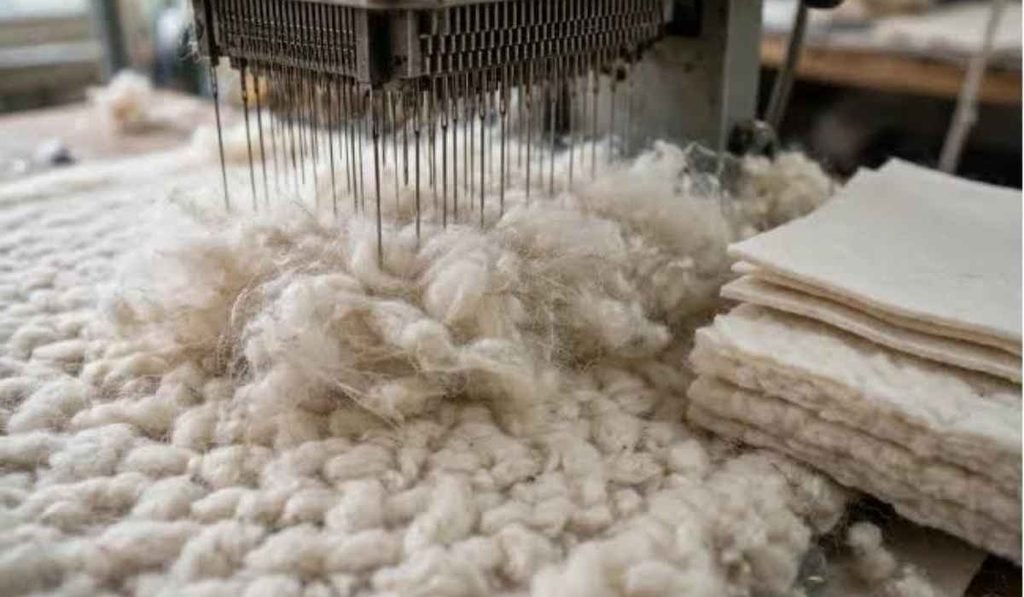
The production process begins with obtaining and preparing suitable wool fibres. Raw wool may require cleaning, sorting, and carding before further processing. Manufacturers then select an appropriate technique according to the product’s intended purpose. Common methods include weaving, wet felting, needle punching, and mechanical compression. After the main structure is formed, products may be washed, dried, trimmed, and finished. Additional backing or edge treatments may also be applied. Quality inspections help manufacturers check dimensions, appearance, construction, and other product requirements.
16. Durability and Long-Term Performance
Durability depends on several factors, including wool quality, fibre length, construction, density, and frequency of use. Well-manufactured wool products can maintain their useful characteristics for an extended period when handled correctly. However, excessive friction, unsuitable cleaning chemicals, prolonged moisture exposure, and poor storage may cause damage. Products placed in busy areas may experience more wear than those used occasionally. Buyers should examine the manufacturer’s durability information and select a suitable construction for the expected level of use.
17. Cleaning and Maintenance
Regular maintenance helps preserve the appearance and condition of wool-based products. Gentle vacuuming can remove loose dust and surface particles from suitable household varieties. Small spills should be addressed according to the manufacturer’s cleaning instructions. Excessive water, strong detergents, and aggressive scrubbing may damage some wool fibres. Certain products can shrink or change shape when exposed to unsuitable temperatures and friction. For expensive or delicate varieties, professional cleaning may be a better option. Always check the care label before applying any cleaning method.
18. Choosing the Right Size
Size is an important consideration when selecting a wool mat for a particular location. Small products can work well beside beds, beneath chairs, or near entrances. Larger varieties may be more suitable for living rooms and open interior spaces. Buyers should measure the available area before ordering. They should also consider furniture placement, walking paths, door clearance, and the overall room layout. Selecting appropriate dimensions helps create a balanced appearance and prevents unnecessary inconvenience during everyday use.
19. Colours and Design Options
Wool products are available in many colours and decorative styles. Natural shades include cream, brown, grey, and off-white, while manufactured varieties may feature brighter colours and detailed patterns. Traditional designs can complement classic interiors, whereas simple geometric patterns may suit contemporary rooms. Colour selection should consider wall finishes, flooring, furniture, and lighting conditions. It is also useful to check whether the colour has been tested for fading. This becomes especially important when a product will receive regular sunlight exposure.
20. Advantages of Using Wool Mats
There are several reasons consumers consider wool-based products for household and specialized applications.
- Natural fibre composition in suitable varieties.
- Comfortable textures for selected indoor applications.
- Thermal insulation characteristics.
- Different shapes, sizes, and patterns.
- Potentially long service life with proper care.
- Availability of handcrafted and machine-produced designs.
- Renewable raw material when responsibly sourced.
- Versatility across decorative and technical applications.
These advantages make wool an interesting material, although individual product performance always depends on its construction and intended use.
21. Disadvantages and Limitations
Despite their useful properties, wool products also have certain limitations. Some varieties can be more expensive than synthetic alternatives. Untreated wool may attract clothes moths and other fibre-damaging pests when stored improperly. Certain products require specialized cleaning and careful handling. Excessive moisture can also create problems if the material remains damp for extended periods. Furthermore, not every wool mat is suitable for heavy foot traffic or outdoor exposure. Understanding these limitations allows buyers to make realistic purchasing decisions.
22. Comparing Wool and Synthetic Mats
Wool and synthetic mats differ in their material composition, appearance, maintenance, and environmental considerations. Natural wool provides a distinctive texture and moisture-management characteristics. Synthetic alternatives may offer lower prices, greater colour consistency, or easier cleaning, depending on their construction. However, synthetic products are commonly manufactured from petroleum-derived fibres. Wool comes from renewable animal sources, although its environmental impact still depends on production practices. Rather than assuming one material is always better, consumers should compare quality, durability, maintenance, and total ownership costs.
23. Important Buying Considerations
Before purchasing a wool-based product, consumers should examine several important details. First, confirm the exact fibre composition and determine whether the material contains 100% wool or a blend. Next, check dimensions, thickness, density, backing, and manufacturing quality. Consider whether the product is designed for indoor, outdoor, decorative, or technical applications. Review cleaning instructions and warranty conditions when available. Reputable sellers should provide clear product descriptions and useful specifications. Comparing these details makes it easier to identify an appropriate product.
24. The Future of Wool-Based Products
Interest in natural materials continues to influence interior decoration, textile production, and sustainable product development. Manufacturers are exploring ways to improve fibre processing, reduce production waste, and develop products with longer useful lives. Wool may remain relevant because of its natural characteristics and versatility. Improvements in manufacturing technology could also support more specialized applications in construction, acoustic treatment, and home accessories. Future demand will depend on pricing, material availability, environmental standards, and consumer preferences. Transparent product information will remain important for responsible purchasing.
25. Final Thoughts on Wollmatten
Wool-based mats represent a versatile category of products that combine natural fibres with practical and decorative applications. Their uses range from household floor coverings to felt materials, gardening products, and specialized insulation solutions. Their warmth, texture, and different manufacturing options make them appealing to consumers interested in natural materials. However, not every product offers identical performance, and buyers should always examine its composition, construction, and intended purpose. Careful selection and proper maintenance can help people enjoy the useful characteristics of wool products while making informed purchasing decisions.
Frequently Asked Questions (FAQs)
1. What does Wollmatten mean?
- Answer: It is a German word that translates into English as wool mats. It describes different products made wholly or partly from natural wool fibres.
2. Are wool mats environmentally friendly?
- Answer: They can be an environmentally considerate option when made using responsibly sourced wool and suitable manufacturing methods. Their complete environmental impact depends on production and additional materials.
3. Can wool mats be used for home insulation?
- Answer: Specialized wool insulation products can be installed in suitable building structures. Decorative mats should not replace certified insulation materials.
4. How do you clean wool mats?
- Answer: Gentle vacuuming and appropriate spot cleaning are common maintenance methods for suitable products. Always follow the manufacturer’s instructions to avoid shrinking or fibre damage.
5. Are wool mats better than synthetic mats?
- Answer: Both materials have advantages. Wool offers natural fibre characteristics and distinctive textures, while synthetic products may provide different price and maintenance benefits. The right choice depends on individual requirements.
Related Information and Further Reading
Readers interested in learning more about natural wool fibres, textile production, and their historical applications can explore additional educational resources. Understanding the properties of wool makes it easier to compare different materials and identify suitable products for household or specialized purposes. For more background information, visit Wikipedia’s Wool article, which explains the origins, characteristics, processing, and applications of this natural animal fibre. This resource provides useful additional knowledge for anyone researching wool materials and their role in modern products.