

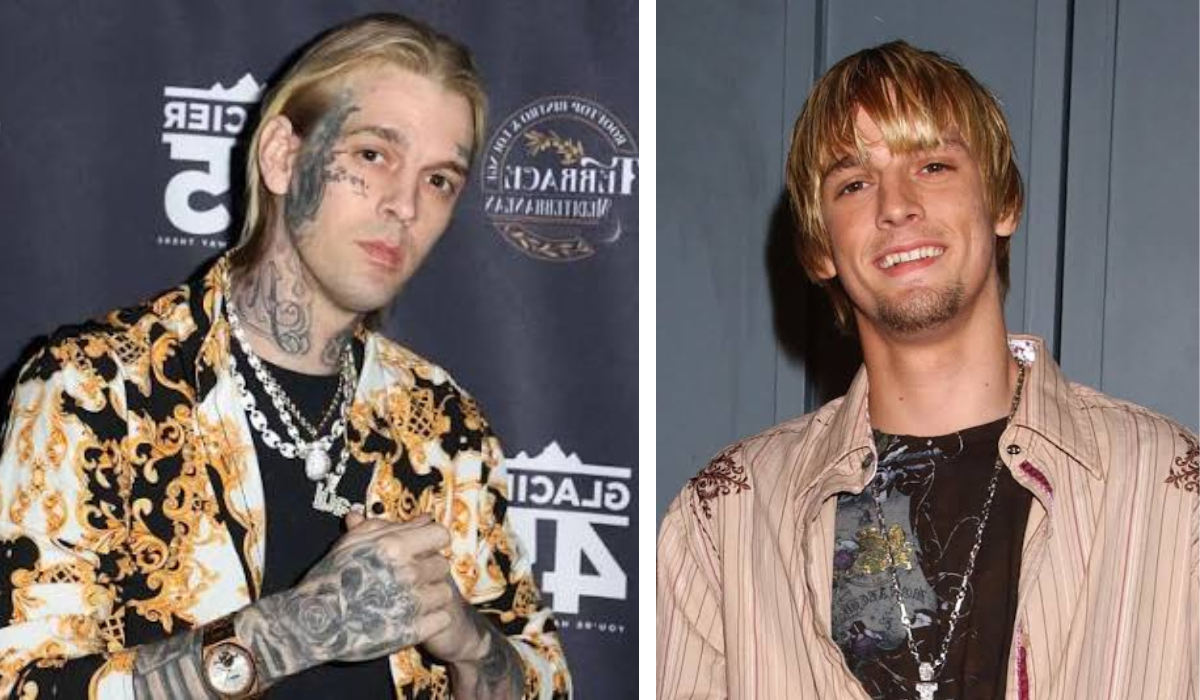
Aaron Carter became one of the most recognizable young pop stars of the late 1990s and early 2000s. Born in Tampa, Florida, on December 7, 1987, he entered entertainment at an unusually young age and quickly developed a loyal international audience. His energetic performances, catchy songs, television appearances, and connection to the Backstreet Boys helped establish him as a major teen-pop figure. His career later included acting, Broadway performances, reality television, touring, and independent music projects. Although his life ended unexpectedly in 2022, his early music continues to represent an important chapter in the history of late-1990s and early-2000s pop culture.
| Quick Bio | Details |
|---|---|
| Full Name | Aaron Charles Carter |
| Born | December 7, 1987 |
| Birthplace | Tampa, Florida, United States |
| Profession | Singer, songwriter, rapper, actor |
| Genres | Pop, pop-rap |
| Brother | Nick Carter |
| Major Breakthrough | Aaron’s Party (Come Get It) |
| Broadway Role | JoJo the Who in Seussical |
| Son | Prince Lyric Carter |
| Died | November 5, 2022 |
| Age at Death | 34 |
| Years Active | 1995–2022 |
Early Life and Family Background
Aaron Charles Carter grew up in a large family and was the twin brother of Angel Carter. His older brother Nick later became internationally famous as a member of the Backstreet Boys. Growing up around entertainment influenced his own ambitions, but he developed an individual musical identity rather than simply following his brother’s path. His childhood was closely connected with performance, and he began pursuing music while still very young. This early exposure gave him valuable stage experience and eventually positioned him for a professional recording career before he reached his teenage years.
Aaron Carter Begins Performing Young

Aaron Carter started performing around the age of seven. Before becoming a solo artist, he sang lead vocals for the group Dead End. The experience helped him understand live performance and gave him confidence as a young entertainer. He eventually left the group because his musical interests leaned more toward pop than the alternative-rock direction favored by the other members. This decision became an important early turning point. His determination to pursue the style he enjoyed helped create the foundation for a solo career that would soon take him onto major stages around the world.
First Major Stage Appearance
At age nine, the young performer made a notable solo appearance in Berlin while opening for the Backstreet Boys. He performed “Crush on You,” a song originally recorded by the Jets, and his performance attracted attention from music professionals. The opportunity was particularly significant because the Backstreet Boys already had a growing international audience. Performing before such a large crowd gave the young singer exposure that many aspiring musicians could only dream about. Soon afterward, he secured a record deal and began developing material for his first album, turning an impressive childhood performance into a professional opportunity.
Debut Album and Early Success
The self-titled debut arrived in 1997, introducing the young performer to audiences outside the United States before its later American release. Songs such as “Crush on You” helped establish his youthful pop identity, while the album performed particularly well in several European markets. It eventually achieved gold status in countries including Canada, Denmark, Germany, Norway, and Spain. The success demonstrated that his appeal was not limited to one country. Aaron Carter combination of youthful energy, approachable songs, and stage presence created a formula that could connect with children, teenagers, and families across different markets.
Aaron Carter and Aaron’s Party
The biggest commercial breakthrough came with Aaron’s Party (Come Get It) in 2000. The album transformed the young singer from a promising child performer into a major teen-pop celebrity. It eventually became triple platinum in the United States and reached No. 4 on the Billboard 200. The project included popular songs such as “I Want Candy,” “Aaron’s Party (Come Get It),” “That’s How I Beat Shaq,” and “Bounce.” These tracks received substantial exposure through youth-oriented television networks, making the album especially influential among younger listeners.
Popular Songs That Defined His Image of Aaron Carter
Several songs became closely associated with the star’s early image. “I Want Candy” presented a playful pop sound, while “Aaron’s Party (Come Get It)” became a signature party anthem for his young audience. “That’s How I Beat Shaq” added a humorous sports theme that reflected the playful personality promoted during his early career. These songs were simple, energetic, and designed for immediate recognition. Their accessibility helped make him a familiar face beyond traditional music audiences. Television appearances, music videos, and touring further reinforced the connection between his songs and early-2000s youth culture.
Television Career and Nickelodeon
Music was only one part of his entertainment career. Aaron Carter appeared on youth television programs, particularly through Nickelodeon and Disney-related projects. His television work helped audiences see him as a broader entertainer rather than only a recording artist. He appeared on programs including All That and Lizzie McGuire, expanding his visibility among young viewers. Television also strengthened his public image because his personality could be presented through comedy, interviews, and performances. This crossover approach was common among successful teen entertainers of the period and helped him maintain a strong presence across multiple forms of media.
Broadway Experience in Seussical of Aaron Carter
In 2001, the performer expanded his résumé by appearing on Broadway in Seussical. He played JoJo the Who, giving him an opportunity to work in live musical theater. Broadway required a different type of discipline from pop concerts because performers must consistently deliver lines, songs, choreography, and acting within a structured theatrical production. The role demonstrated his willingness to explore new creative environments while still very young. Aaron Carter theater experience added another dimension to his career and showed that his abilities extended beyond recording catchy singles and performing in large concert venues.
Oh Aaron and Continued Popularity
The album Oh Aaron Carter arrived in 2001 and continued the momentum created by his previous release. The project included a collaboration with his brother Nick, creating a memorable connection between the two siblings and their musical careers. The album became another successful release and reached No. 7 on the U.S. album chart according to contemporary retrospective accounts. Concert footage and related promotional material also helped extend its reach. At this stage, the young star remained one of the recognizable faces of the teen-pop boom that dominated youth entertainment during the early 2000s.
Another Earthquake! Era of Aaron Carter
In 2002, Another Earthquake! continued his recording career. The album arrived during a period when his audience was beginning to mature and the teen-pop market itself was changing. It included songs such as “America A O” and “Do You Remember.” He also remained active in touring and television appearances. Although the project did not reproduce the extraordinary commercial impact of Aaron’s Party, it demonstrated his continued commitment to music. The release represented another stage in his transition from child star toward a more mature performer who was attempting to evolve with his audience.
Acting and Entertainment Projects

Beyond music and Broadway, the entertainer participated in several television and entertainment projects throughout his career. His appearances demonstrated a willingness to experiment with different formats and maintain visibility after his earliest pop successes. Later projects included reality television and competition programming. He appeared on Dancing with the Stars in 2009 with professional partner Karina Smirnoff and finished fifth. Such appearances introduced him to viewers who may not have followed his music closely during his childhood years. They also reflected his effort to remain active in entertainment as the teen-pop era gradually changed.
Career Changes After Childhood Fame
Transitioning from child celebrity to adult performer proved challenging. The music industry landscape changed substantially during the 2000s, and the audience that had grown up with his earliest releases also matured. After several early albums, his recording activity became less consistent. His public profile increasingly involved television appearances, personal controversies, and discussions about his private life. Like many former child stars, he faced the difficult task of redefining himself after becoming famous under intense public attention. His later career reflected both his desire for reinvention and the difficulties associated with maintaining momentum after an enormous childhood breakthrough.
Return to Music of Aaron Carter
After a lengthy period away from major album releases, the singer returned with new music. He released singles and independent projects before issuing LØVË in 2018. The project represented an attempt to reconnect with music while presenting a more mature artistic identity. Rather than simply reproducing the playful style associated with his childhood, the later work reflected his experiences as an adult. His return showed that music remained central to his identity even after years of career uncertainty. The comeback also demonstrated his determination to continue creating despite the substantial changes in his personal and professional circumstances.
Reality Television and Public Attention
Reality television became another important part of his later public presence. Programs featuring the Carter family gave viewers a more personal look at family relationships, disagreements, and the pressures surrounding celebrity life. These appearances attracted significant attention because audiences had known the siblings since childhood. The increased visibility also meant that private struggles could become public discussion. Reality television can provide renewed opportunities for entertainers, but it can also make personal difficulties harder to separate from professional identity. Aaron Carter later years illustrated both sides of that complicated relationship between celebrity, publicity, and private life.
Family Relationships of Aaron Carter
Family remained an important part of his story throughout his life. Aaron Carter relationship with his brother Nick was particularly notable because both siblings became recognized figures in popular music. He also had a close connection with his twin sister Angel and other family members. The Carter family experienced both professional success and painful personal difficulties over the years. Public disagreements sometimes became part of entertainment coverage, making their family dynamics unusually visible. Despite those challenges, family members continued to influence the narrative surrounding his life and remained important figures in discussions about his legacy after his death.
Personal Life and Fatherhood of Aaron Carter
In his final years, the singer became a father. He and Melanie Martin welcomed their son, Prince Lyric Carter, in November 2021. Fatherhood represented an important personal chapter and gave him a new role outside entertainment. Public reports indicated that he spoke about wanting to be a good parent and hoped to build a stable future for his child. His son was born only about a year before his death, making this part of his story especially poignant. Today, discussions of his legacy often include the family he left behind and the young child who survives him.
Challenges Behind the Spotlight
The public image of a successful young celebrity can conceal substantial personal challenges. Throughout adulthood, the musician openly discussed struggles involving substance use, mental health, and efforts to seek treatment. Aaron Carter experiences became part of a broader conversation about the pressures faced by people who achieve fame during childhood. It is important to discuss these issues respectfully rather than reducing an entire life to difficult moments. Aaron Carter story included significant accomplishments, creativity, relationships, and attempts at recovery. Understanding those different elements provides a more balanced perspective on the person behind the celebrity image.
Final Years and Career Efforts
During his final years, he continued to work on music and remained active online and in entertainment-related projects. He attempted to rebuild aspects of his career while navigating intense public scrutiny. Independent releases allowed him greater creative control than the major-label environment of his youth. Aaron Carter efforts demonstrated that he still viewed music as an important part of his identity. Even though his later career did not replicate the commercial heights of his childhood, he continued producing material and engaging with fans. Those efforts are an important part of understanding his artistic journey beyond the songs that made him famous.
Aaron Carter’s Death of Aaron Carter
On November 5, 2022, Aaron Carter died at his home in Lancaster, California, at the age of 34. Aaron Carter death shocked fans who had followed his career since childhood. The Los Angeles County Medical Examiner-Coroner later determined that he died from drowning, with the effects of difluoroethane and alprazolam contributing to the death. The ruling classified the death as accidental. Reporting about his final years has emphasized the importance of viewing his story with compassion while recognizing the serious challenges he experienced.
Legacy in Pop Culture
Aaron Carter remains closely associated with the early-2000s teen-pop era. Aaron Carter songs continue to appear in nostalgia-focused playlists, retrospectives, and discussions about child stars who shaped the entertainment landscape of that period. Aaron Carter career also illustrates how rapidly youth culture can change. He reached extraordinary fame before adulthood, crossed into television and theater, and later attempted to reinvent himself. His story has therefore become more than a collection of hit songs. It represents the complicated journey of a young performer growing up under intense public attention while trying to establish an adult identity.
Influence on Young Pop Performers
Aaron Carter early career demonstrated how young performers could combine music, television, touring, merchandise, and celebrity branding. The success of Aaron’s Party showed that a young artist could reach major album sales while becoming a recognizable personality across youth media. Later generations of young entertainers entered an even more connected digital environment, but the basic model of crossover celebrity remained influential. His career therefore belongs to an important period when television networks, record labels, radio, concert tours, and music videos worked together to create highly recognizable teen stars.
Music That Still Connects With Fans
The strongest part of his legacy remains the music created during his most successful years. Tracks from Aaron’s Party continue to evoke memories for listeners who grew up during the era. Their upbeat production and straightforward themes captured a particular moment in pop culture. Later listeners can also discover the contrast between his youthful recordings and his more mature work. This range makes his catalog useful for understanding his artistic development. His music continues to receive attention because nostalgia can preserve songs long after their original commercial moment has passed.
Why His Story Still Matters
The story of the young pop star remains relevant because it combines remarkable success with the realities of growing up publicly. He became famous before reaching adulthood, experienced major commercial achievements, explored acting and theater, and later faced significant personal difficulties. His life encourages broader conversations about child stardom, career pressure, family relationships, mental health, addiction, and the responsibilities of the entertainment industry. Remembering his accomplishments alongside his struggles creates a fuller picture. Rather than viewing him only through tragedy, his story can also be understood as that of a talented performer who left a lasting mark on pop culture.
Frequently Asked Questions
1. Who was Aaron Carter?
- Answer: He was an American singer, rapper, and actor who became a major teen-pop star during the late 1990s and early 2000s.
2. What was his biggest album?
- Answer: Aaron’s Party (Come Get It) was his biggest commercial success, becoming triple platinum in the United States.
3. Was he related to Nick Carter?
- Answer: Yes. Nick Carter of the Backstreet Boys was his older brother.
4. Did he have a child?
- Answer: Yes. He had a son named Prince Lyric Carter with Melanie Martin.
5. How old was he when he died?
- Answer: He was 34 years old when he died on November 5, 2022.
Final Thoughts
Aaron Carter’s life was marked by extraordinary early success, creative ambition, personal struggles, and an enduring connection with fans. From performing as a child to becoming a bestselling teen-pop artist, appearing on television, performing on Broadway, and returning to music as an adult, his career covered several areas of entertainment. His story also highlights the complicated pressures that can accompany childhood fame. His music remains part of early-2000s pop nostalgia, while his broader journey continues to encourage conversations about celebrity, resilience, family, and the challenges of growing up in public. For additional background and related historical information, readers can explore Aaron Carter on Wikipedia.