


Alan Osmond was an American singer, musician, songwriter, producer, and longtime member of the famous Osmond family. Born in Ogden, Utah, he became the eldest performing brother in the family group and helped guide the Osmonds from childhood performances to international fame. His career included music, television production, songwriting, family entertainment, motivational work, and philanthropy. He was also known for his resilience after being diagnosed with multiple sclerosis in 1987. He continued contributing to his family and community despite health challenges, leaving behind a legacy centered on music, faith, perseverance, and family.
| Quick Bio | Details |
|---|---|
| Full Name | Alan Ralph Osmond |
| Born | June 22, 1949 |
| Birthplace | Ogden, Utah, USA |
| Died | April 20, 2026 |
| Age at Death | 76 |
| Profession | Singer, Musician, Songwriter, Producer |
| Famous For | The Osmonds |
| Spouse | Suzanne Pinegar |
| Children | Eight sons |
| Years Active | 1962–2007 |
| Major Challenge | Multiple sclerosis |
| Memoir | One Way Ticket |
| Legacy | Music, family, resilience, philanthropy |
Early Life and Family Background
Alan Osmond grew up in a large musical family in Utah. His parents, George and Olive Osmond, encouraged their children to develop discipline, musical ability, and strong family values. Two older brothers, Virl and Tom, were hearing impaired, which became an important reason the younger brothers began performing. Music was therefore more than entertainment for the family; it was also a way to support one another. This early environment shaped his leadership style and helped establish the close family identity that later became central to the Osmonds’ public image.
Beginning of a Musical Journey
Alan Osmond started performing with his brothers when he was still a child. Alongside Wayne, Merrill, and Jay, he became part of a barbershop-style quartet. Their early performances helped them develop harmony, stage confidence, choreography, and professional discipline. The brothers initially performed at fairs and other venues before their opportunities expanded dramatically. Their musical upbringing prepared them for television and eventually international entertainment. The early years also established Alan as one of the older brothers who could guide younger family members while helping maintain the group’s professional standards.
Disneyland Breakthrough

A major turning point arrived when the brothers performed at Disneyland. Their appearance attracted attention from people connected with television entertainment, creating an opportunity that would change their future. The family was eventually introduced to audiences through television appearances associated with Walt Disney’s programming. This exposure helped the young performers gain national recognition. Their ability to combine polished harmonies, coordinated routines, and wholesome entertainment made them memorable. The Disneyland experience demonstrated that their family act could succeed beyond local performances and prepared the brothers for a much larger entertainment career.
The Andy Williams Show
One of the biggest early milestones for Alan Osmond came through regular appearances on The Andy Williams Show. The Osmond Brothers became familiar faces to American television audiences, gaining valuable experience by performing alongside established entertainers. Their television work helped transform them from a talented family quartet into professional performers with national visibility. The program also introduced the younger members of the Osmond family to a much wider audience. Years of television experience helped the brothers develop the polished stage presence that later became a defining feature of their international performances.
Rise of the Osmonds
During the early 1970s, Alan Osmond and his brothers entered a remarkable period of commercial success. The Osmonds became one of the most recognizable family groups in popular music. Their energetic performances, coordinated appearances, and accessible songs appealed strongly to younger audiences. The arrival of Donny Osmond brought another major dimension to the family business, while Alan continued contributing behind the scenes and onstage. The group eventually achieved worldwide popularity and sold millions of records. Their success made the Osmond name one of the most recognizable family brands in American entertainment.
Musical Leadership and Creativity
Alan Osmond played an important creative role within the family group. He was not simply a performer; he also contributed as a songwriter, composer, musician, and producer. His musical abilities helped the Osmonds experiment with different sounds as their career developed. He worked on arrangements and recordings while helping younger family members navigate the entertainment industry. His leadership became especially important because the Osmonds operated as both a musical act and a family enterprise. His contributions helped the group maintain a recognizable identity while exploring new musical directions.
Famous Osmonds Songs
Several well-known Osmonds recordings benefited from Alan’s creative involvement. Songs associated with the group’s success included “One Bad Apple,” “Down by the Lazy River,” and “Crazy Horses.” These songs represented different sides of the group’s musical identity, from polished pop to a more energetic rock-influenced sound. Alan’s contributions demonstrated that the family could move beyond a single style. The Osmonds were able to appeal to mainstream pop audiences while also showing musicianship and ambition. Their recordings remain an important part of the family’s musical history.
Crazy Horses and Musical Experimentation
“Crazy Horses” became particularly notable because it showed a heavier and more adventurous side of the Osmonds. The song helped challenge the idea that the family group could only perform gentle or traditional pop music. Alan was interested in expanding the group’s musical boundaries and supporting arrangements that demonstrated stronger instrumental energy. This willingness to experiment contributed to the group’s artistic development. The Osmonds could maintain their family-friendly reputation while still exploring contemporary sounds, which helped them remain interesting to listeners during a rapidly changing period in popular music.
The Plan Album
The Osmonds’ 1973 album The Plan represented another ambitious moment in the group’s career. Rather than simply following a conventional pop formula, the project explored broader themes and more complex musical ideas. Alan’s creative interests were visible in the family’s willingness to experiment with concepts and arrangements. Although the group’s popularity eventually changed as musical trends shifted, projects such as this demonstrated that the brothers were serious musicians. Their work during this period showed that their ambitions extended beyond producing straightforward teen-pop entertainment.
Television Production Career
Alan Osmond also developed important skills outside performing. During the 1970s, he became involved with television production, including work connected with Donny & Marie. His production responsibilities allowed him to support his younger siblings while gaining experience in another part of the entertainment industry. This role reflected his broader leadership within the family. Rather than focusing exclusively on his own performance opportunities, he often worked to strengthen the overall family enterprise. His willingness to support other members became an important part of the Osmond story.
Supporting Donny and Marie
Family cooperation was one of the defining characteristics of Alan Osmond’s career. When Donny and Marie became major television personalities, Alan contributed to the production and development of their television work. His involvement demonstrated his belief that family success could be shared rather than treated as an individual competition. He helped behind the scenes while his younger siblings remained in front of the cameras. This approach reflected the values taught by his parents and helped the Osmonds maintain a strong sense of unity despite the pressures of fame.
Transition Into Country Music
After the peak of their pop success, the original Osmond brothers explored country music. Alan Osmond and his brothers returned to performing with a country-oriented direction in the early 1980s. The change allowed them to reconnect with their roots while presenting themselves to a different audience. Country music also fit the wholesome and family-centered identity associated with the Osmonds. Their willingness to change styles showed that they were not afraid to adapt when the entertainment landscape shifted. This period added another chapter to their long-running musical journey.
Marriage to Suzanne Pinegar
Alan Osmond married Suzanne Pinegar in 1974, beginning a partnership that lasted for more than five decades. Their relationship became an important foundation of his personal life as his career continued to evolve. Suzanne supported him through the pressures of entertainment and the major health challenges that later affected his life. Together, they raised eight sons. Their long marriage became an example of the importance Alan placed on family stability, loyalty, and shared responsibility. His family remained central to his identity long after he stepped away from regular performing.
Children and Family Life
Alan Osmond and Suzanne had eight sons: Michael, Nathan, Doug, David, Scott, Jon, Alex, and Tyler. Family life remained extremely important to Alan, and several members of the next generation became involved in music and entertainment. The Osmond family tradition therefore continued through his children and grandchildren. Alan’s role as a father was frequently described as more important to him than celebrity. His family expanded over the years to include many grandchildren and great-grandchildren, creating a large personal legacy that extended well beyond his professional accomplishments.
Diagnosis With Multiple Sclerosis
A major turning point in Alan Osmond’s life came when he was diagnosed with multiple sclerosis in 1987. The condition eventually affected his ability to perform and contributed to his retirement from regular stage work. Despite these difficulties, he continued to participate in family projects and public advocacy. His experience became an important part of his personal story because he refused to allow the diagnosis to completely define him. His approach to adversity inspired many people facing serious challenges and became closely associated with his message of perseverance.
Advocacy and Inspirational Message
Alan Osmond became known for encouraging people to approach difficult circumstances with determination. His experience with multiple sclerosis gave additional meaning to his motivational work. He frequently emphasized that a diagnosis or obstacle did not have to determine a person’s identity or future. His positive outlook helped him become an advocate for resilience and hope. Rather than disappearing from public life after leaving regular performance, he redirected his energy toward motivational speaking, charitable work, family activities, and projects designed to encourage others.
OneHeart Foundation and Philanthropy
Alan Osmond and Suzanne were involved in philanthropic efforts, including the OneHeart Foundation. His charitable work reflected his belief that personal success carried a responsibility to help others. He also became associated with causes connected to children and families. The broader Osmond family has long maintained a public image centered on service and community involvement. Alan’s charitable efforts reinforced that identity. His philanthropy showed another side of his career, demonstrating that his influence was not limited to records, television appearances, or concert stages.
Awards and Recognition
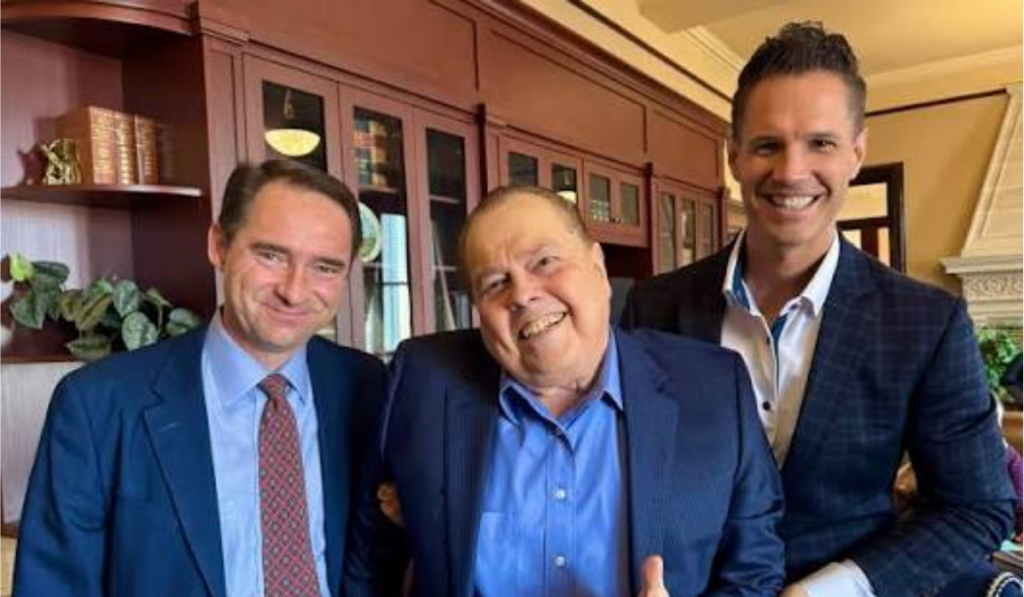
Alan Osmond received recognition for both his entertainment contributions and his inspirational efforts. In 2000, he received the Dorothy Corwin Spirit of Life Award from the National Multiple Sclerosis Society. He and Suzanne were also honored as Pillars of Utah Valley in 2021. The Osmond Brothers additionally received honorary lifetime membership recognition from the Society for the Preservation and Encouragement of Barber Shop Quartet Singing in America in 1986. These honors reflected different parts of his life, including music, community service, perseverance, and leadership.
Retirement From Performing
Alan Osmond continued performing with his family for decades, but his health eventually made regular stage work increasingly difficult. He and his brother Wayne retired from performing with the group around the family’s 50th anniversary period in 2007. Retirement did not mean that Alan stopped contributing to the Osmond legacy. Instead, he focused more on writing, advocacy, family, motivational work, and other projects. His transition showed how a performer can continue making an impact even after leaving the spotlight.
Memoir One Way Ticket
In 2024, Alan Osmond published his memoir, One Way Ticket. The book provided an opportunity to reflect on his childhood, rise to fame, family experiences, music career, and life with multiple sclerosis. Memoirs can offer a more personal perspective than traditional biographies because they allow public figures to explain their own motivations and memories. For readers interested in the Osmond family’s history, the book became a valuable part of his later legacy. It also highlighted how deeply family remained connected to his understanding of success.
Relationship With the Osmond Brothers
Alan Osmond remained an important figure among his siblings throughout his life. As the eldest performing brother, he often served as a guide and protector for younger family members. His leadership extended beyond music because the family business required organization, cooperation, and mutual trust. His brothers frequently remembered him as someone who helped shape their careers and supported the family during difficult periods. This leadership role was particularly significant during the group’s transition from childhood performers to international entertainment professionals.
Influence on Future Generations
The influence of Alan Osmond extended into later generations of the family. His children and other relatives continued exploring music, performance, business, and creative careers. The family’s ability to maintain a recognizable entertainment identity across generations reflects the values established during Alan’s childhood. He demonstrated that long-term success requires more than talent; it also involves discipline, adaptability, teamwork, and strong relationships. His influence can therefore be understood not only through records and television programs but also through the family culture he helped preserve.
Final Years and Passing
Alan Osmond died on April 20, 2026, at the age of 76, at his home in Lehi, Utah. His wife Suzanne and their eight sons were with him during his final moments. His death followed decades of living with multiple sclerosis. News of his passing prompted tributes from family members, fans, and entertainment organizations that recognized his role in the Osmonds’ remarkable history. His final years reflected the same priorities that shaped much of his life: family, faith, resilience, and service.
Lasting Musical Legacy
The legacy of Alan Osmond remains connected to the extraordinary career of the Osmonds. The family group achieved international recognition, television success, record sales, and a lasting place in popular culture. Alan’s work as a performer, songwriter, producer, and leader helped shape that journey. His willingness to support his siblings also allowed the family act to evolve through different eras of entertainment. Even decades after the group’s biggest hits, their music continues to attract listeners interested in classic pop, family groups, and the history of American entertainment.
Why His Story Still Matters
The story of Alan Osmond continues to matter because it combines celebrity with perseverance and family responsibility. His career demonstrates how entertainment success can be built through teamwork rather than individual ambition alone. His experience with multiple sclerosis also illustrates how people can adapt when circumstances change dramatically. Instead of allowing health challenges to end his contribution, he redirected his energy toward advocacy, family, philanthropy, and writing. His life therefore offers lessons about resilience, purpose, adaptability, and the importance of maintaining meaningful relationships during difficult periods.
Alan Osmond’s Place in Entertainment History
Within entertainment history, Alan Osmond represents an important era when family groups played a major role in American popular culture. The Osmonds successfully moved from children’s television appearances to chart success, international touring, television production, and later musical reinvention. Alan’s involvement across these stages gave him a broad perspective on the entertainment business. His career also demonstrated the importance of behind-the-scenes leadership, because many successful family acts depend on organization and creative direction that audiences may not always see.
Final Thoughts on His Legacy
Alan Osmond left behind a story shaped by music, family, leadership, faith, and determination. From childhood performances and television success to songwriting, production, philanthropy, and advocacy, his life covered many areas of public service and entertainment. His battle with multiple sclerosis added a powerful dimension to his legacy, while his long marriage and large family reflected his personal priorities. His influence remains connected to the Osmonds’ music and to the values he promoted throughout his life. For additional background, readers can explore the related .
Frequently Asked Questions
- Who was Alan Osmond? – He was an American singer, musician, songwriter, and producer best known as the eldest performing brother of The Osmonds.
- When was Alan Osmond born? – He was born on June 22, 1949, in Ogden, Utah, United States.
- Who was Alan Osmond’s wife? – He married Suzanne Pinegar in 1974, and they remained married for more than five decades.
- How many children did Alan Osmond have? – He and Suzanne had eight sons, several of whom remained connected to the family’s musical tradition.
- When did Alan Osmond die? – He died on April 20, 2026, at age 76, after living with multiple sclerosis for decades.