
1. Introduction to Area Code 785
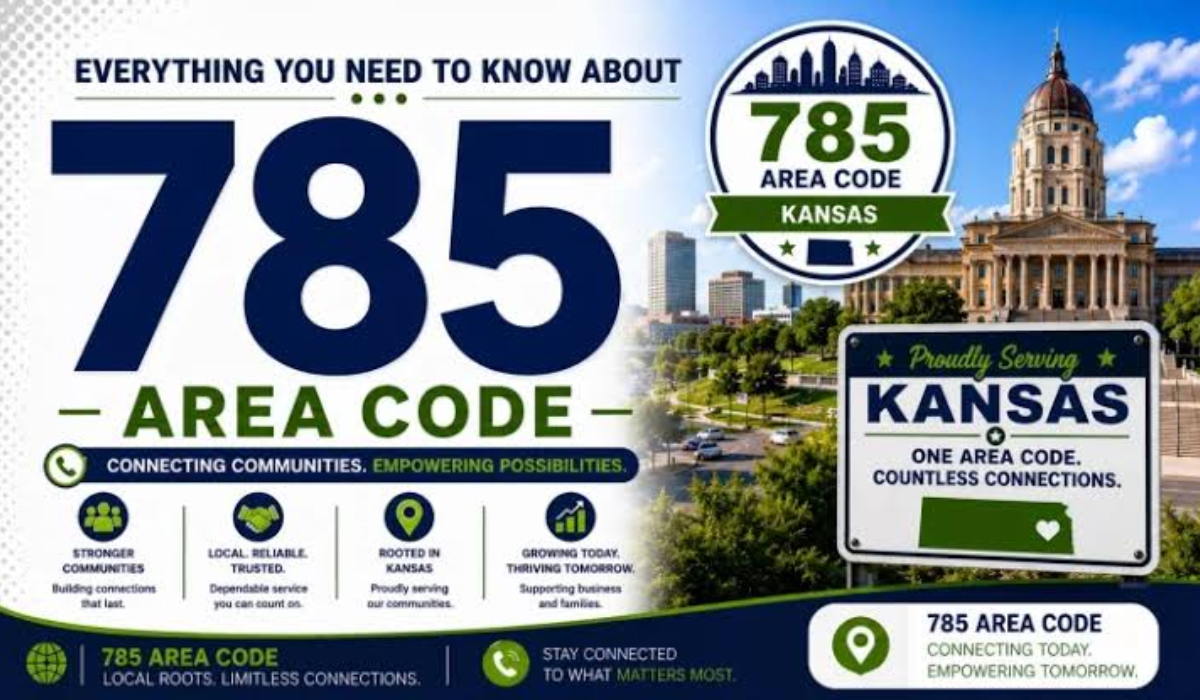
Area code 785 is an important telephone area code in the United States, serving a large portion of northern and western Kansas. It connects residents, businesses, government offices, educational institutions, and communities across the state. Understanding this telephone code can help people identify incoming calls, recognize regional connections, and learn more about the communities associated with it. Whether someone receives an unfamiliar call or wants to establish a business presence in Kansas, learning about the code provides useful information about the region and its communication network.
2. Quick Information Table
| Detail | Information |
|---|---|
| Telephone code | 785 |
| Country | United States |
| State | Kansas |
| Region | Northern and western Kansas |
| Major city | Topeka |
| Other notable cities | Lawrence, Manhattan, Salina, Hays |
| Time zone | Primarily Central Time |
| Telephone system | North American Numbering Plan |
| General purpose | Landline, mobile, and business telephone numbers |
3. Where Is Area Code 785 Located?
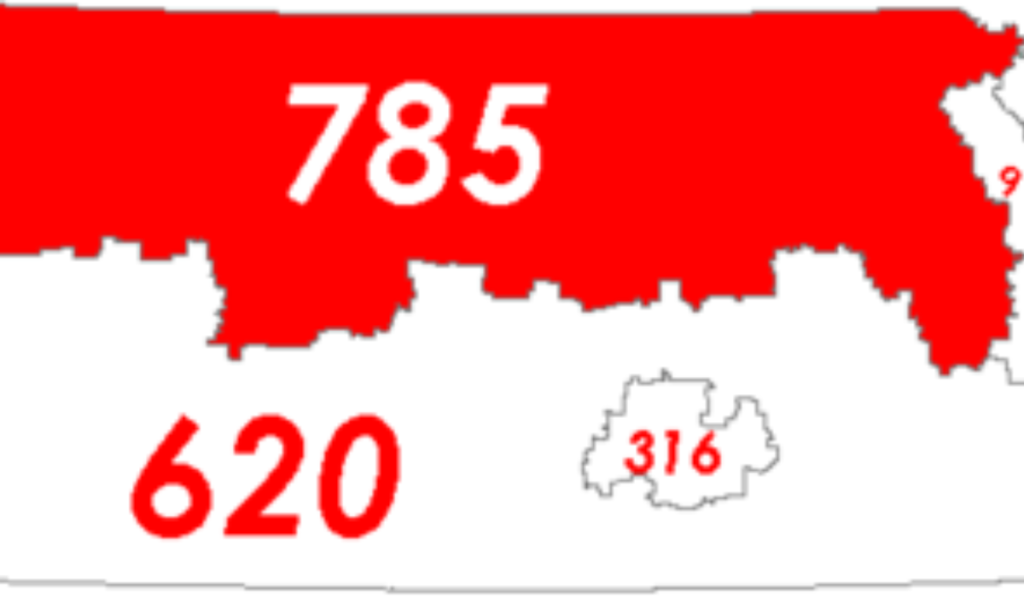
The Area Code 785 telephone region covers a substantial part of Kansas, particularly northern and western communities outside the main Wichita and Kansas City metropolitan areas. Its service territory includes the state capital, university communities, agricultural towns, and regional business centers. The code helps organize telephone numbers across a geographically extensive area. Because telephone boundaries do not always follow county lines perfectly, people should check an official numbering map when they need to determine whether a particular address belongs to this calling region.
4. What State Uses This Telephone Code?
Kansas is the state associated with this telephone code. Located in the central United States, Kansas is known for its agricultural economy, educational institutions, historic communities, and transportation connections. Its landscape includes expansive plains, farmland, small towns, and growing urban areas. The telephone numbering system divides the state into multiple regions to accommodate communication needs. Residents may use different area codes depending on their location, while people living in the same city can sometimes have numbers associated with different codes because of numbering changes and telecommunications arrangements.
5. Topeka and Its Connection to the Code
Topeka, the capital of Kansas, is one of the best-known cities associated with this telephone region. It serves as an important center for state government, healthcare, education, retail, and professional services. Government offices and local businesses depend on reliable telephone communication to serve residents and visitors. Topeka also has historic attractions and established residential neighborhoods. When someone sees a number associated with this region, Topeka may be one possible connection, although the code alone cannot confirm the caller’s exact city or current physical location.
6. Lawrence: A University and Cultural Center
Lawrence is another prominent Kansas city associated with this telephone region. It is widely recognized for the University of Kansas, a lively downtown, cultural activities, and a strong student community. The city attracts students, academics, visitors, and professionals throughout the year. Local businesses use telephone services for appointments, customer support, deliveries, and reservations. The presence of universities and community organizations makes reliable communication particularly important. However, a telephone number bearing the regional code does not necessarily belong to a student or university employee.
7. Manhattan and the College Community
Manhattan, Kansas, is home to Kansas State University and has a strong connection to education, research, agriculture, and regional commerce. The city welcomes students, faculty members, families, and visitors who contribute to its local economy. Telephone services support campus administration, housing providers, restaurants, shops, and community organizations. Manhattan is also known for its access to outdoor recreation and the surrounding Flint Hills region. Its association with this telephone code helps illustrate the diversity of communities served, from university centers to agricultural towns.
8. Salina and Regional Business Activity
Salina is an important commercial and transportation center in central Kansas. The city supports manufacturing, healthcare, retail, education, and businesses serving surrounding rural communities. Regional telephone numbers help organizations maintain contact with suppliers, customers, employees, and public agencies. Salina’s location along major transportation routes contributes to its economic importance. People researching unfamiliar calls may encounter businesses connected with the city, but a displayed telephone code is only a regional clue and should not be treated as proof of a caller’s identity.
9. Hays and Western Kansas
Hays is a significant community in western Kansas, serving as a center for education, healthcare, shopping, and professional services across a broad surrounding area. Fort Hays State University contributes to the city’s educational and cultural life. Residents in nearby communities may travel to Hays for medical appointments, business services, and other essential needs. Telephone communication connects these communities with regional institutions and service providers. The code’s broad geographic reach demonstrates how a single numbering area can serve urban neighborhoods, rural households, and smaller towns across a large part of the state.
10. When Was the Code Introduced?
The telephone code was introduced in 1997, when Kansas underwent a major change in its telephone numbering arrangements. Before that change, area code 913 covered a much larger portion of the state. The creation of the new numbering region helped separate much of northern and western Kansas from the northeastern Kansas area that retained 913. This change made additional telephone numbering resources available as demand grew. The historical development reflects a wider pattern across the United States, where telephone numbering plans have evolved alongside population growth, mobile phones, and increased demand for communication services.
11. Why Kansas Needed a New Area Code
Telephone numbering systems require enough available numbers to serve households, companies, public agencies, and communications providers. During the late twentieth century, increasing demand from fax machines, mobile phones, additional telephone lines, and other services put pressure on existing numbering resources. Kansas responded by dividing its telephone numbering territory. Establishing a separate regional code allowed telephone providers to allocate numbers more efficiently. Such changes are common across the country and do not necessarily mean that a community has experienced rapid population growth; they can also reflect changes in technology and number allocation.
12. Understanding the North American Numbering Plan
The North American Numbering Plan organizes telephone numbers across the United States, Canada, and several other participating regions. A typical North American number contains a three-digit area code, a three-digit central office code, and a four-digit subscriber number. Together, these digits help telephone networks route calls to the intended destination. The area code identifies a broad numbering region rather than a person’s precise address. This structure makes it possible for millions of people and organizations to communicate through a standardized system while allowing regional numbering plans to change as demand develops.
13. How to Recognize a Call From This Region
A phone number associated with this region generally begins with the three digits 785 after the country code, if one is included. For example, a domestic number may appear as 785-XXX-XXXX, while an international-format number may appear as +1 785-XXX-XXXX. The X characters represent the remaining digits rather than a real telephone number. Recognizing this format can help callers understand the number’s apparent numbering region. Nevertheless, displayed caller identification can be manipulated, and number portability means that the original regional assignment may not reflect where the current user lives.
14. What Time Zone Does the Region Use?
Most communities associated with this telephone region observe Central Time. Depending on the season, Central Time is either Central Standard Time or Central Daylight Time. This matters when calling local businesses, arranging appointments, or contacting friends and relatives in Kansas from another state or country. It is sensible to confirm the local time before placing an unexpected call, especially when communicating internationally. Although most of the region follows Central Time, callers should verify the time zone of a specific destination when precise scheduling is important.
15. Is the Number Connected to a Mobile Phone or Landline?
The three-digit code alone cannot reliably tell you whether a telephone number belongs to a mobile phone, a traditional landline, or a modern internet-based telephone service. All these services can use numbers assigned to the same regional code. In addition, people can sometimes keep their existing telephone numbers when switching providers or moving between eligible services. Therefore, identifying a number’s original numbering region does not establish the type of device being used. When that distinction matters, consult a reputable telephone lookup service or contact the person through a trusted channel.
16. Why You Might Receive an Unfamiliar Call
An unfamiliar call from a Kansas number can have many ordinary explanations. It could come from a healthcare provider, school, government office, delivery service, business, acquaintance, or someone who dialed the wrong number. It may also be a marketing call or a fraudulent attempt to obtain personal information. The displayed number does not by itself reveal which explanation is correct. If you do not recognize the caller, let the call go to voicemail, listen to the message, and independently verify any organization before sharing sensitive information or making payments.
17. Does Every Call From This Code Come From Kansas?
No. A number assigned to this telephone region does not guarantee that the caller is physically located in Kansas. People may keep their numbers after relocating, businesses may use centralized telephone systems, and internet calling services can operate across geographic boundaries. Scammers can also falsify caller ID to make a call appear local or familiar. Consequently, the displayed number should be treated as a clue rather than proof of origin. If a caller claims to represent a bank, government agency, or other institution, use the institution’s independently verified contact information to confirm the claim.
18. How Businesses Use Regional Telephone Numbers
Businesses use regional telephone numbers to establish local contact points, manage customer inquiries, coordinate employees, and communicate with suppliers. A Kansas number may be useful to a company serving residents in Topeka, Lawrence, Manhattan, Salina, Hays, and surrounding communities. Local numbers can also make it easier for customers to recognize a business’s regional presence. However, businesses should provide accurate contact information and maintain transparent customer service practices. A local-looking number is not sufficient evidence that a company is legitimate, so consumers should also examine its website, reputation, registration, and independently verified contact details.
19. Education and Public Services Across the Region
Educational institutions, libraries, municipal departments, healthcare facilities, and community organizations rely on dependable telephone communication. In university cities, calls may involve admissions, student housing, campus offices, or event information. In smaller communities, telephone services can connect residents with local government, emergency information, medical appointments, and essential public services. These practical uses show why telephone numbering remains important even as email, messaging apps, and online portals become more common. Anyone contacting a public service should verify its official number before sharing private details or acting on unexpected instructions.
20. Rural Communities and Agricultural Connections
Northern and western Kansas include many rural communities where farming, ranching, grain handling, and agricultural services contribute to local livelihoods. Farmers and agricultural businesses use telephone communication to coordinate equipment repairs, deliveries, supply orders, transportation, and seasonal work. A regional numbering area can connect people across large distances where neighboring towns may be separated by substantial stretches of farmland. Reliable communication helps support these networks, especially during busy planting and harvesting periods. However, telephone coverage and service quality can vary by provider and location, so residents should check individual providers for local availability.
21. How to Verify an Unknown Telephone Number
If you receive an unfamiliar call, begin by searching the complete number in a reputable search engine or telephone directory. Check whether the number appears on an official business website, public agency page, or trusted directory. If the caller claims to represent a known organization, contact that organization through the number printed on its official website or documentation. Avoid relying exclusively on anonymous comments or unverified reverse-lookup pages. Do not provide passwords, authentication codes, banking information, or identity documents merely because the caller displays a familiar regional number.
22. Common Telephone Scams and Warning Signs
Fraudulent callers may pretend to be government representatives, bank employees, technical support agents, delivery companies, or relatives in urgent need of money. Warning signs include threats, unusual payment requests, demands for gift cards or cryptocurrency, pressure to act immediately, and requests for security codes. Some scammers use caller ID spoofing to display a number that appears local. A regional prefix does not make a call trustworthy. End suspicious conversations and independently contact the organization or person involved. If you have shared financial information, contact your financial institution promptly and follow its guidance for securing your account.
23. Blocking Unwanted Calls
Most modern smartphones provide tools for blocking specific numbers, silencing unknown callers, and reporting suspected spam. Telephone providers may also offer call screening or spam detection. If unwanted calls continue, review your phone’s privacy settings and ask your provider about available protections. Be cautious with third-party applications that request extensive access to contacts or call records. Blocking one number may not stop a persistent spam operation because callers can change or spoof the numbers they display. For serious threats, repeated harassment, or suspected fraud, preserve relevant records and report the issue to the appropriate authorities.
24. Can You Get a Kansas Telephone Number From Another State?
In many cases, people can obtain telephone numbers associated with a particular region through eligible telecommunications providers, including some internet-based phone services. Availability, eligibility, identity verification, and pricing depend on the provider and service plan. Businesses may choose regional numbers to support customers in a specific market even when their employees work elsewhere. Before purchasing a number, confirm whether it supports voice calls, text messages, emergency calling, and any required verification services. A number’s regional association should not be misrepresented as proof that a person or business physically operates in Kansas.
25. The Difference Between Area Codes 785 and 913
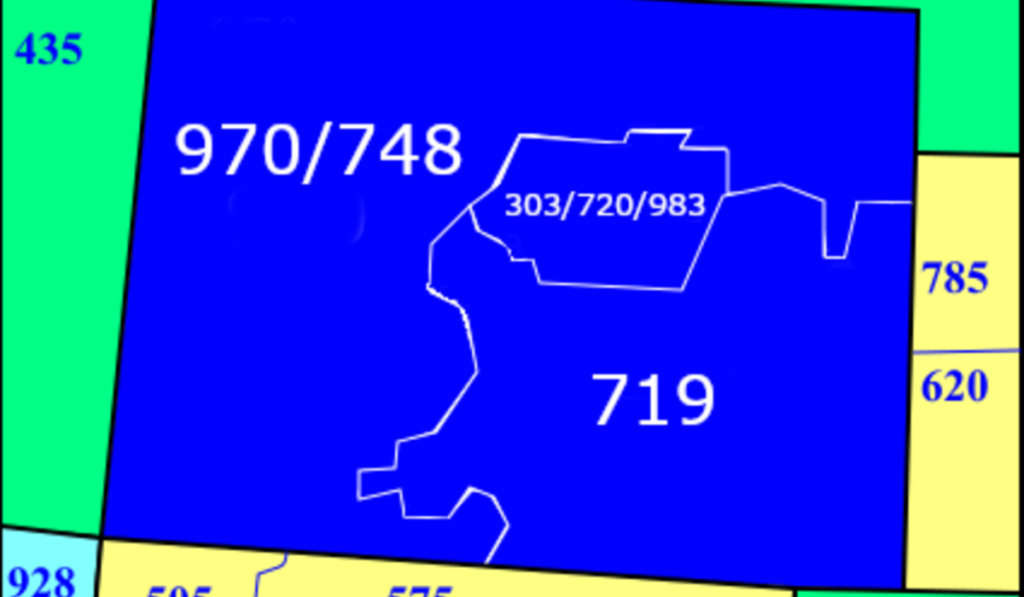
Kansas uses multiple telephone area codes, and 785 and 913 serve different numbering regions. Broadly speaking, 785 covers much of northern and western Kansas, while 913 is associated with northeastern Kansas, including the Kansas City metropolitan area on the Kansas side. The exact boundaries and number assignments should be checked against current official numbering resources when accuracy is essential. These codes help organize telephone services, but they do not define city limits, county boundaries, or the current location of every subscriber. Understanding the difference can help people interpret regional numbers without drawing unsupported conclusions about callers.
26. Telephone Services and Modern Communication
Telephone services have changed significantly since traditional landlines were the primary way households and offices communicated. Today, mobile phones, internet-based calling, video meetings, and integrated business communication platforms support everyday interactions. Regional telephone codes remain relevant because they are part of the established numbering system used to route calls. However, people increasingly communicate across geographic boundaries without needing to live near the area associated with their numbers. For businesses and individuals alike, the most important considerations include service reliability, privacy, accessibility, and the ability to contact the intended person securely.
27. Privacy Considerations When Searching Phone Numbers
Searching an unfamiliar number can help identify a legitimate business, but it is important to respect privacy. Not every personal number has a public listing, and online directories may contain inaccurate or outdated information. Avoid publishing private contact details without permission or assuming that search results establish someone’s identity. Some lookup services collect personal data or charge fees for information that may be incomplete. When checking a call, focus on information that can be independently verified and relevant to your purpose. If a number is connected to a suspicious message, prioritize protecting your accounts and personal information.
28. Official Resources for Telephone Code Information
For authoritative information about telephone numbering, consult the North American Numbering Plan Administrator and the Federal Communications Commission. Their resources can explain numbering assignments, code changes, consumer protections, and telephone-related regulations. The NANPA website is particularly useful for checking area code information and numbering-plan updates. The FCC provides information about unwanted calls, caller ID spoofing, and reporting suspected telephone fraud. These official resources are generally more reliable than unsourced directory pages or social media discussions. When researching the regional code, compare details against current official records rather than relying on assumptions based only on a displayed telephone number.
29. Why This Telephone Region Matters in 2026
In 2026, regional telephone numbers continue to help people and organizations maintain recognizable contact details in an increasingly connected world. Kansas residents use telephone services for work, education, healthcare, shopping, public services, and personal communication. Businesses may use regional numbers to reach local customers, while travelers and newcomers can use the code as a starting point for understanding the state’s telephone geography. At the same time, modern communication technology makes it easier to use numbers outside one’s physical location. Awareness of these distinctions helps people communicate effectively and avoid trusting unfamiliar callers without verification.
30. Tips for Calling Kansas From Abroad
People calling Kansas from another country generally need to enter the international access prefix used in their country, followed by the United States country code, 1, and the ten-digit telephone number. On many mobile phones, the plus sign can replace the international access prefix. For a number in this region, the format commonly appears as +1 785 XXX XXXX. International calling charges depend on the originating provider, destination plan, and type of service. Before placing a lengthy call, check rates or consider an internet-based calling option that suits both parties and protects their privacy.
31. Frequently Asked Questions About Area Code 785
1. What state is associated with this telephone code?
- Answer: It is associated with Kansas, particularly northern and western parts of the state.
2. Which major cities use this code?
- Answer: Topeka, Lawrence, Manhattan, Salina, and Hays are among the notable cities associated with the region.
3. When was this code introduced?
- Answer: It was introduced in 1997 as part of a change to Kansas telephone numbering arrangements.
4. Does a call from this code guarantee the caller is in Kansas?
- Answer: No. Number portability, internet calling, relocation, and caller ID spoofing mean the displayed code cannot confirm a caller’s physical location.
5. How can I check whether a call is legitimate?
- Answer: Search the complete number, review official listings, avoid sharing sensitive information, and contact the claimed organization using independently verified details.
32. Conclusion
Area code 785 is an important part of Kansas’s telephone numbering system, linking communities, educational institutions, businesses, and public services across much of the state’s northern and western regions. Knowing its geographic association, history, and common uses can help people understand unfamiliar calls and recognize the regional context of a telephone number. However, a displayed prefix cannot establish a caller’s identity or exact location. Use trusted directories and official resources when verification matters, and remain cautious about unexpected requests for money or personal information. For further reading, consult the North American Numbering Plan Administrator and the Wikipedia article on telephone numbering plan for related background information.