

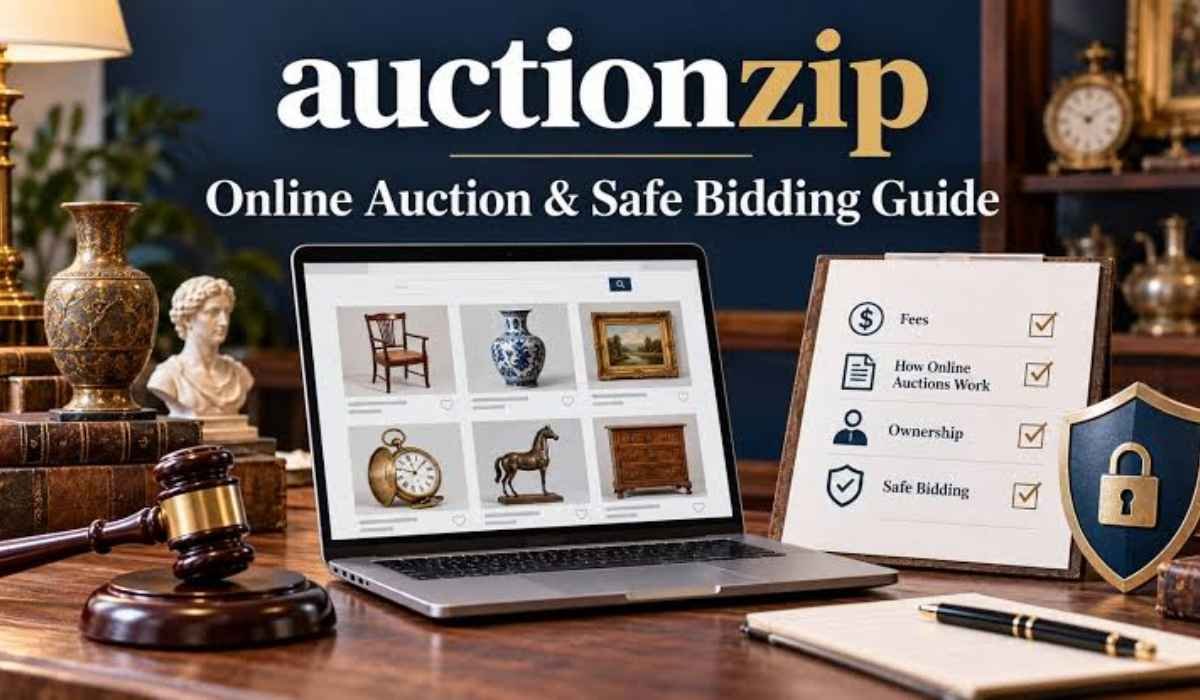
AuctionZip is a popular online auction marketplace that helps buyers discover upcoming auctions, explore interesting items, and participate in bidding from different locations. Whether someone is interested in antiques, collectibles, furniture, artwork, jewelry, or valuable household items, the platform provides a convenient way to explore auction opportunities. It also helps professional auctioneers promote their sales and connect with potential customers. Understanding how the website works, how to register, and how bidding operates can help beginners and experienced collectors make more informed decisions.
| Category | Information |
|---|---|
| Platform Name | AuctionZip |
| Website | AuctionZip.com |
| Industry | Online Auctions |
| Main Purpose | Finding and promoting auctions |
| Services | Auction Listings and Online Bidding |
| Users | Buyers, Sellers, and Auctioneers |
| Account | Free bidder registration |
| Auction Types | Live and Timed |
| Main Categories | Antiques, Collectibles, Furniture, and More |
| Accessibility | Online Platform |
1. What Is AuctionZip?
AuctionZip is an online marketplace designed to connect auction enthusiasts with professional auctioneers. It allows visitors to discover upcoming local auctions and participate in selected online sales. The platform brings different types of merchandise together, making it easier to explore items that might otherwise be difficult to find. Buyers can search for interesting opportunities, while auction professionals can advertise their upcoming events. Its combination of local auction listings and online bidding makes it a useful resource for people interested in traditional and digital auction experiences.
2. Understanding the History of the Platform
Online auction platforms have changed how people discover and purchase valuable merchandise. AuctionZip developed its services around helping professional auctioneers reach larger audiences. Traditional auctions generally depended on newspaper advertisements, local announcements, and personal connections. Digital platforms introduced another way to promote these events and attract interested buyers. Over time, online catalogs, searchable listings, and remote bidding became important parts of the auction industry. This development reflects a broader transformation in how auction businesses communicate with customers and organize their sales.
3. How the Auction Marketplace Works
The marketplace connects people searching for auction opportunities with businesses organizing public sales. Visitors can explore listings, examine available information, and identify auctions that match their interests. Some listings advertise physical events, while others provide access to online bidding opportunities. Buyers can review event details before deciding whether to attend or participate remotely. Auctioneers use the platform to introduce their sales to potential customers. This arrangement creates a convenient meeting point for people who want to buy, sell, or discover interesting merchandise.
4. Main Features and Services

AuctionZip offers several features intended to simplify auction discovery and participation. Its marketplace includes searchable listings, online catalogs, bidder registration, and different bidding formats. Users can also save interesting items and receive notifications about auctions that match their preferences. Auctioneers have access to promotional services and tools for presenting their merchandise. These features serve different audiences without requiring everyone to participate in the same way. Someone interested only in browsing can explore listings, while active buyers can register for selected sales.
5. Exploring Local Auction Listings
Local auction listings are particularly useful for people who enjoy attending traditional sales. They provide information about upcoming events, including dates, locations, auction companies, and descriptions of available merchandise. Buyers can search by location or postal code to discover opportunities in nearby communities. This approach makes it easier to plan visits and examine merchandise in person. Physical attendance can be valuable when purchasing furniture, artwork, collectibles, or equipment because buyers may have opportunities to inspect condition and ask questions before bidding.
6. Discovering Online Auctions
Online auctions allow buyers to participate without traveling to the auction location. Participants can explore available catalogs, review photographs, and submit bids through the website. This arrangement can make specialized auctions accessible to people who live far away. It also allows collectors to discover merchandise offered by auction houses in different regions. However, remote participation requires careful research because buyers cannot always inspect physical items themselves. Reading descriptions, checking photographs, and reviewing the auction company’s conditions are important steps before placing a bid.
7. How to Create a Bidder Account
Creating an account is a straightforward process for people who want to participate in online bidding. Visitors can select the account creation option and choose the bidder registration process. They generally need to provide basic information, including their name, email address, and other requested details. After completing registration, users can access account features and begin exploring bidding opportunities. A free account also makes it easier to save favorite listings, manage registrations, and receive relevant notifications about upcoming auction events.
8. Searching for Interesting Items
Finding merchandise is one of the most important activities for auction enthusiasts. The website provides search tools that help visitors discover listings based on keywords, categories, and locations. Someone interested in vintage furniture can search for related terms, while a collector might look for coins, artwork, or historical objects. Using specific search phrases can produce more relevant results than entering general descriptions. Buyers should also compare multiple listings because similar products may appear in different auctions with different conditions and estimated values.
9. Understanding Live Bidding
Live bidding allows participants to compete during an auction while it is taking place. Registered and approved users can access the online bidding console and follow the auction as lots are offered. This format creates an experience similar to attending a traditional auction room. Participants can respond to competing offers and decide whether to increase their bids. Successful participation requires attention because bidding activity can move quickly. Buyers should establish a maximum spending limit before joining to avoid making emotional decisions during competitive moments.
10. Understanding Timed Auctions
Timed auctions operate according to scheduled closing times rather than a continuously Auction Zip hosted live event. Participants can place offers before individual lots reach their closing deadlines. When the bidding period ends, the highest eligible bid generally determines the winning participant, subject to the auction’s terms. This format provides flexibility because buyers do not necessarily need to remain connected throughout an entire sale. Nevertheless, they should monitor closing schedules and understand whether additional bidding time can be added when another offer arrives near the deadline.
11. What Is Absentee Bidding?
Absentee bidding allows participants to submit a maximum offer before a live auction begins. The bidding system can then place incremental offers on their behalf when competing bids appear. This method is useful for people who cannot watch an auction continuously. Instead of manually responding to every competing offer, participants establish a spending limit in advance. It is important to remember that a maximum bid represents the highest amount someone is willing to offer, not necessarily the final purchase price. Auction rules determine how automated bidding operates.
12. How Auction Registration Works
Registration is an important requirement for participating in online sales. Buyers usually need to select the auction they want to join and submit the requested registration information. The auction house may review applications before granting bidding approval. Some sales have additional requirements involving payment information, identification, or acceptance of specific conditions. Users should register early rather than waiting until the auction begins. Checking approval status through the account area can help prevent last-minute problems and ensure that participants are ready when bidding opens.
13. Popular Categories Available
Auction marketplaces attract buyers with different interests, which is why merchandise categories are important. Depending on individual auction listings, visitors may discover antiques, decorative objects, vintage furniture, paintings, jewelry, coins, tools, machinery, and household goods. Some sales specialize in particular collections, while others offer a mixture of merchandise. Exploring different categories can help beginners understand the variety of available opportunities. It also allows experienced collectors to identify specialized auctions that match their interests and purchasing goals.
14. Buying Antiques and Collectibles
Antiques and collectibles attract buyers who appreciate craftsmanship, history, rarity, and cultural significance. Auctions can provide opportunities to discover objects that are not commonly available through ordinary retail stores. However, age alone does not guarantee an item’s authenticity or value. Buyers should examine descriptions, provenance information, photographs, and condition reports whenever available. They can also research comparable sales to understand potential market prices. Asking the auctioneer questions before bidding is a sensible approach when important information is missing.
15. Exploring Furniture and Household Items
Furniture auctions can appeal to people furnishing their homes, decorating interiors, or collecting vintage designs. Available merchandise may include tables, chairs, cabinets, mirrors, lamps, and decorative accessories. Buyers should pay attention to dimensions, construction materials, visible damage, and transportation arrangements. Large items can involve additional collection or delivery expenses. Photographs are helpful, but an in-person inspection may provide a clearer understanding of quality. Comparing several options can help buyers determine whether an auction purchase offers genuine value.
16. Benefits for First-Time Buyers
Beginners can use online auction platforms to learn about different products and purchasing opportunities. Browsing listings before placing bids helps newcomers understand descriptions, estimated values, and auction terminology. Starting with inexpensive items can provide practical experience without requiring a large financial commitment. First-time buyers should also read the conditions associated with every sale. Understanding buyer premiums, payment deadlines, collection requirements, and shipping charges is essential. Careful preparation makes the experience easier and reduces the possibility of unexpected expenses.
17. Benefits for Professional Auctioneers
Professional auctioneers can use the marketplace to promote sales and connect with interested buyers. Digital advertising expands the potential audience beyond people who already know about a particular auction company. Online catalogs also help customers review merchandise before an event begins. Promotional listings can provide useful information about dates, locations, and available products. For auction businesses, reaching additional customers can improve visibility and create opportunities to attract bidders from different communities. These services support the growing relationship between traditional auction businesses and digital commerce.
18. Auction Advertising and Promotion
Advertising is an important part of attracting attention to public sales. Auction companies need to communicate information clearly so interested customers can understand what is being offered. A well-prepared listing should include an accurate title, event date, location, description, and relevant photographs. Promotional options can help certain listings receive additional visibility. Auctioneers should consider their audience and advertising budget when selecting promotional services. Clear descriptions and useful images are valuable because they help potential buyers decide whether an event matches their interests.
19. Understanding Auction Fees
Understanding the complete cost of an auction purchase is essential before placing any bid. Creating a bidder account is free, but winning an item can involve additional expenses. These may include a buyer’s premium, applicable taxes, shipping, handling, and other charges established by the auction house. The buyer’s premium is an additional amount calculated according to the sale’s conditions. Different auction companies may use different fee structures. Therefore, participants should review the specific terms before bidding instead of assuming every sale follows identical rules.
20. Payment Methods and Purchase Responsibilities
Payment responsibilities depend on the auction house and the conditions attached to a particular sale. Successful bidders should review accepted payment methods, payment deadlines, and any required deposits before participating. Some auction companies may require prompt payment after an item is won. Delayed payments can create complications or lead to penalties under the auction agreement. Buyers should keep transaction records and confirmation messages for their purchases. Understanding these responsibilities helps participants complete transactions smoothly and maintain a positive relationship with auction professionals.
21. Shipping and Item Collection
Collecting purchased merchandise is another important consideration. Some auction houses offer shipping services, while others require buyers to collect items from a specified location. Large furniture, machinery, and fragile collectibles may need special transportation arrangements. Before bidding, buyers should confirm whether shipping is available and estimate the associated expenses. They should also understand collection deadlines and packaging responsibilities. Planning transportation in advance can prevent unexpected difficulties after winning an item, particularly when the auction takes place far from the buyer’s home.
22. Safety Tips for Online Bidders
Online bidding can be convenient, but responsible purchasing habits remain important. Buyers should investigate auction companies, review sale conditions, and examine item descriptions carefully. They should avoid spending more than their planned budgets and never assume that every listed product is guaranteed to meet their expectations. Secure account credentials and accurate contact information are also important. Participants should communicate through appropriate channels and contact the auction house when information is unclear. These precautions can help create a more informed and comfortable purchasing experience.
23. How to Research an Item Before Bidding
Research is one of the strongest tools available to auction buyers. Before making an offer, participants should investigate the item’s manufacturer, age, materials, condition, and market demand. Comparable sales can provide a useful reference, although prices may vary depending on authenticity, rarity, and presentation. Photographs should be examined carefully for damage or missing components. When available, condition reports and provenance documents can provide additional context. Taking time to research merchandise helps buyers make decisions based on information instead of excitement.
24. Advantages of Using an Online Auction Marketplace
Online marketplaces provide several advantages for people interested in auctions. They make it possible to discover sales from different locations without relying entirely on local advertisements. Search tools help users identify relevant merchandise, while digital catalogs make it easier to compare available items. Remote bidding can also reduce travel requirements. For auctioneers, digital promotion offers another channel for reaching potential customers. Although online participation has limitations, these advantages explain why digital auction services have become an important part of the modern auction industry.
25. Possible Limitations to Consider
Every online marketplace has limitations, and auction buyers should understand them before participating. Photographs may not reveal every detail of an item’s physical condition. Shipping expenses can make inexpensive merchandise less attractive, while competition may increase final prices. Some local listings advertise in-person events without offering online bidding. Account approval requirements can also vary between auction companies. These factors do not necessarily make the platform unsuitable, but they demonstrate why buyers should read descriptions, review conditions, and ask questions before committing money.
26. Tips for Finding Better Auction Opportunities

Finding worthwhile merchandise requires patience, preparation, and consistent research. Buyers can improve their searches by using specific keywords, exploring different categories, and checking upcoming auction schedules regularly. Saving interesting listings makes it easier to revisit opportunities later. Comparing estimated prices and researching similar products can also provide useful context. Experienced collectors often focus on particular categories instead of bidding on everything they see. Having clear purchasing goals and a realistic budget can make auction participation more organized and rewarding.
27. Customer Support and Getting Assistance
Customer support can help users understand account features, registration requirements, and technical difficulties. People with questions about individual products or sale conditions should generally contact the auction house responsible for the listing. The auctioneer is usually the most appropriate source for information about merchandise, payment, shipping, and collection arrangements. Users should provide relevant details when requesting assistance so their questions can be handled more efficiently. Keeping account notifications and transaction records available can also make communication easier.
28. Is AuctionZip Suitable for Collectors?
Collectors often benefit from discovering specialized sales and merchandise offered by different auction businesses. The platform can help them explore antiques, coins, artwork, decorative objects, and other collectibles. Its search functions make it possible to investigate opportunities beyond familiar local markets. However, collectors should not rely exclusively on listing descriptions when evaluating valuable objects. Authentication, provenance, condition, and market comparisons remain important. For people who enjoy researching unusual merchandise, auction marketplaces can provide an interesting way to discover potential additions to their collections.
29. AuctionZip Compared With Traditional Auctions
Traditional auctions generally require participants to attend a physical location, although absentee bidding may be available. Digital marketplaces introduce additional ways to discover events and participate remotely. Both approaches have advantages. In-person attendance can make physical inspection easier and provide direct interaction with auctioneers. Online participation offers convenience and access to geographically distant sales. Neither approach is automatically better for every purchase. The most suitable option depends on the merchandise, buyer preferences, transportation arrangements, and the specific conditions established by the auction company.
30. The Future of Digital Auction Platforms
Digital technology continues to influence how auction businesses organize and promote their events. Online catalogs, improved photographs, automated bidding, and digital payment services have changed customer expectations. Buyers increasingly appreciate the ability to research merchandise before attending or joining an auction. Auction businesses can also use digital communication to maintain relationships with customers. Future developments may introduce additional improvements in accessibility, catalog presentation, and transaction management. These changes suggest that online marketplaces will remain relevant as the auction industry adapts to modern consumer behavior.
31. Best Practices for Responsible Bidding
Responsible bidding begins with understanding personal financial limits. Participants should decide how much they can afford before entering a competitive auction. They should also include additional expenses such as buyer premiums, taxes, shipping, and transportation. Reading the terms of sale prevents confusion about payment and collection responsibilities. Buyers should avoid bidding simply because someone else has placed a higher offer. Every purchase should serve a clear purpose and fit within a reasonable budget. These habits encourage better decisions and more enjoyable auction experiences.
32. Final Thoughts on the Platform
Auction marketplaces have created new opportunities for buyers, collectors, and professional auctioneers. From discovering local events to participating in online bidding, these services make auction information easier to access. Understanding registration, auction formats, fees, shipping, and item research can help participants use the available features more effectively. Beginners should take time to learn the process, while experienced collectors can use search tools to explore additional opportunities. Overall, the platform provides a useful connection between traditional auction businesses and the modern digital marketplace.
Frequently Asked Questions
1. What is AuctionZip used for?
- It helps users discover local auction listings, explore online auctions, and connect with professional auctioneers.
2. Is AuctionZip free to use?
- Creating a bidder account and browsing listings are free, but winning purchases may involve buyer premiums, taxes, shipping, and other fees.
3. Can beginners participate in online auctions?
- Yes, beginners can create an account, register for eligible auctions, and place bids after receiving the required approval.
4. What types of products can people find?
- Depending on available listings, buyers can discover antiques, furniture, artwork, jewelry, coins, collectibles, tools, and household merchandise.
5. Does AuctionZip offer live and timed bidding?
- Yes, the platform supports live and timed online auctions, allowing registered participants to bid according to each sale’s rules.
Related Wikipedia Resource
Readers interested in learning more about the history and general process of auctions can explore the Wikipedia article about auctions. It explains different auction formats, bidding procedures, and the historical development of auction practices. Understanding these concepts provides useful background for anyone exploring digital marketplaces and traditional sales. By researching auction rules, comparing merchandise, and managing budgets carefully, buyers can approach online auctions with greater knowledge and confidence.