

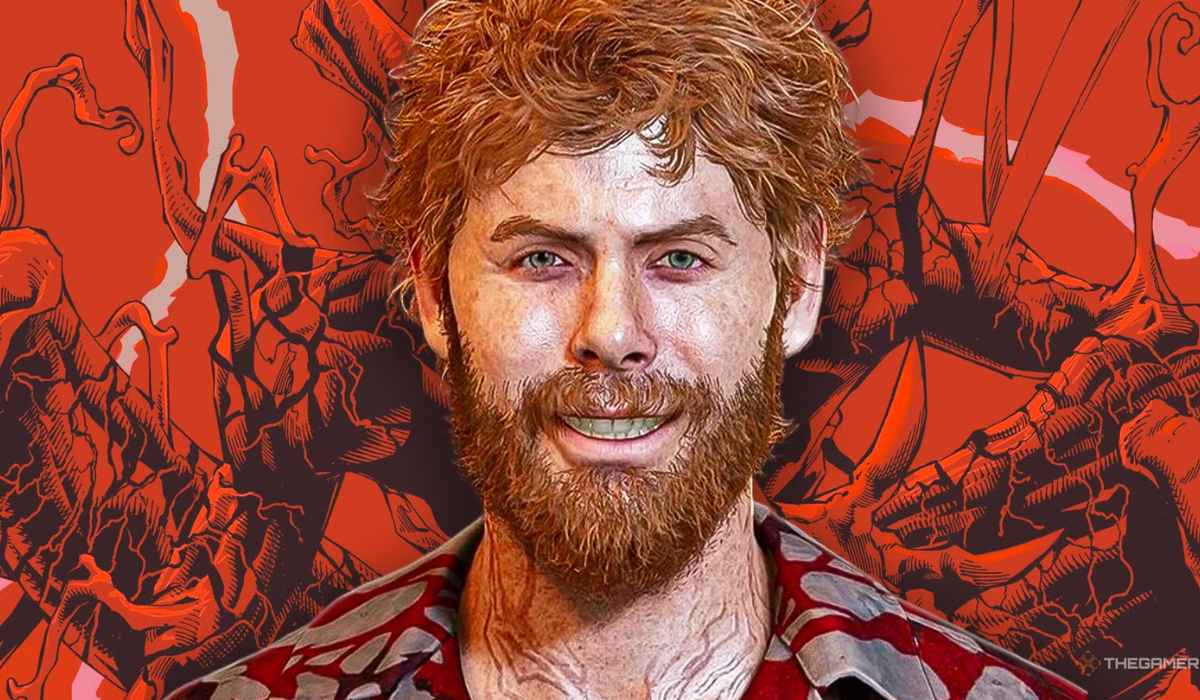
Carnage stands out as one of the most terrifying, unpredictable, and visually striking antagonists in the entire comic book landscape. Born from a mixture of a vicious serial killer and an alien symbiote, this chaotic entity redefined what it meant to be a true monster in superhero fiction. From his brutal comic book origins to his chilling adaptations in animated series and blockbuster feature films, the character has captivated fans who love darker storytelling. This deep-dive exploration examines every facet of his legacy, examining his psychological impact, powers, and enduring cultural significance within pop culture today.
Introduction to the Symbiote Legacy
The shadowy legacy of alien organisms in modern graphic novels began with a simple black costume that drastically altered the life of Peter Parker before transforming into a deeply personal nightmare for both heroes and villains alike. Long before the chaotic presence of Carnage emerged to terrorize innocent citizens, the original extraterrestrial entity bonded with various hosts, seeking emotional connection and survival in a harsh universe. These complex biological phenomena introduced readers to a dynamic where costumes possessed their own distinct agendas, shifting the boundaries between superhero action and psychological horror. The narrative weight of these symbiotic bonds paved the way for darker storytelling arcs that continuously challenged the moral limits of traditional vigilantes. Exploring this rich history reveals how a simple wardrobe change evolved into an expansive, terrifying mythology that forever changed the landscape of modern comic book storytelling across the globe.
The Dark Origins of Cletus Kasady
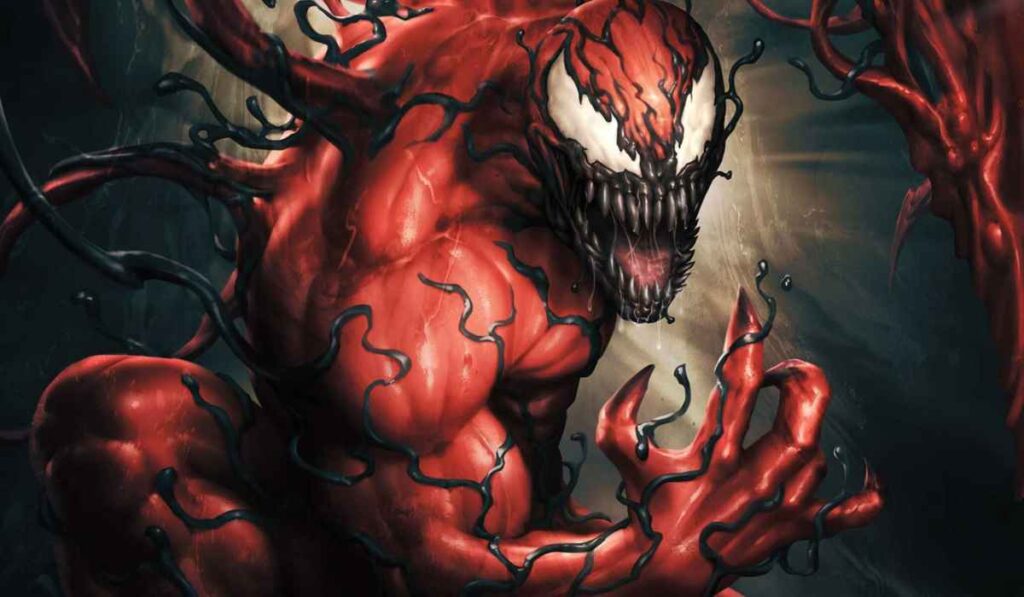
Long before he bonded with a cosmic parasite, Cletus Kasady harbored a deeply disturbed mind shaped by a deeply troubled and abusive childhood. Growing up in an environment devoid of compassion, he committed horrific acts from an early age, viewing the world through a lens of absolute nihilism and senseless violence. Arrested for a multitude of heinous crimes, Kasady eventually found himself sharing a prison cell with Eddie Brock, the man previously known as Venom. This fateful encounter set the stage for an unprecedented biological merger that would unleash an unstoppable wave of terror. The tragic combination of Kasady’s innate sociopathy and the alien’s aggressive tendencies created a monster driven entirely by the desire to spread chaos. Understanding these dark beginnings is essential for grasping why this particular antagonist remains so uniquely unsettling compared to traditional comic book villains.
The Accidental Birth of a Monster
The miraculous escape from prison relied on a tiny, overlooked offspring left behind by the primary organism when it reunited with its former human host. This microscopic fragment slithered through the prison bars and bonded directly with Cletus Kasady through an open wound in his bloodstream. The resulting transformation was immediate, rewriting his cellular structure and merging human malice with alien biology in a terrifying display of raw power. Unlike previous pairings, this new union did not require a host to struggle for control; instead, human and alien minds harmonized perfectly in their shared love for destruction. The legendary birth of Carnage sent shockwaves through the fictional city, signaling the arrival of a threat far deadlier than anything the local heroes had ever faced before. This pivotal moment cemented a new standard for comic book villains, proving that true terror could stem from the seamless fusion of human cruelty and cosmic horror.
Unique Powers and Lethal Abilities

Possessing capabilities far exceeding those of his predecessor, this crimson terror introduced a terrifying array of combat tricks to the battlefield. The organism allows Kasady to shape-form his limbs into sharp blades, axes, and lethal projectiles, turning his entire body into a walking arsenal of destruction. Furthermore, he can detach parts of his alien mass to launch surprise attacks from a distance or track targets with terrifying precision across the city. Unlike traditional webs, his organic tendrils are far stronger and more versatile, enabling rapid traversal and brutal immobilization of any adversary foolish enough to stand in his way. These incredible abilities make direct physical confrontation nearly impossible for ordinary law enforcement and heavily tax even the most experienced superheroes. Mastering these distinct strengths allowed the villain to carve a bloody path through comic history without ever needing complex tactical strategies or grand criminal empires.
Psychological Profile of a Killer
Delving into the twisted mind of Cletus Kasady reveals a philosophy centered entirely around the concept of absolute, unadulterated freedom through destruction. He views murder not as a means to an end, but as a pure form of artistic expression and a way to prove that life has no inherent meaning. The alien symbiote amplified these nihilistic tendencies, removing whatever minor hesitations the human host might have possessed before their fateful cellular merger. This shared psychology creates a unified entity that feels no remorse, experiences no fear, and derives pure joy from watching society panic. Heroes like Spider-Man often struggle not just with the physical threat, but with the psychological weight of facing an enemy who cannot be reasoned with or rehabilitated. Analyzing this unique mental state helps explain why the character remains such a compelling study in pure, unbridled malevolence within popular fiction.
The Ultimate Rivalry with Venom

The bitter conflict between Eddie Brock’s alter ego and his crimson offspring remains one of the most iconic blood feuds in comic book history. Recognizing the monster he inadvertently helped create, Venom often felt a profound moral obligation to hunt down and eliminate Carnage at any cost. This intense rivalry forced lifelong enemies like Spider-Man and Venom to forge uneasy alliances just to survive the sheer devastation wrought by the red symbiote. Every confrontation between the two biological entities tested their limits, showcasing contrasting ideologies regarding violence, justice, and responsibility. Fans eagerly anticipated these brutal clashes, as they represented a direct battle between a creature seeking redemption and a monster embracing total annihilation. This dynamic elevated the narrative stakes, transforming a standard superhero brawl into a deeply personal war for the very soul of the symbiote lineage.
Maximum Carnage: A Defining Crossover Event
Spanning multiple comic book titles, the epic storyline known as Maximum Carnage tested the endurance of every hero operating within the urban landscape. Gathering a twisted family of deranged followers, the crimson villain launched an unprecedented campaign of terror across the streets of New York City. Heroes such as Spider-Man, Venom, Firestar, and Morbius had to unite in a desperate bid to restore order and protect innocent civilians from widespread slaughter. The event explored themes of societal breakdown, vigilantism, and the psychological toll exacted by a foe who wanted nothing less than total chaos. Despite internal disagreements and heavy losses, the alliance managed to overcome the murderous horde through sheer resilience and tactical coordination. This legendary crossover remains a high-water mark for 1990s comic book event storytelling, solidifying the antagonist’s status as a major league threat.
Evolution Through the Decades of Comics
Since his striking debut in the early 1990s, the character has undergone numerous transformations, reflecting changing trends in comic book writing and artistic styles. Writers have continuously tested new creative boundaries by stripping the symbiote from Kasady or bonding it with unexpected hosts like Norman Osborn and cosmic entities. These narrative experiments kept the character fresh, preventing his violent shtick from becoming stale while expanding the broader lore of the alien species. Artists also refined his visual design, emphasizing jagged teeth, manic grins, and shifting weaponized appendages that leaped off the printed page. This constant evolution ensured that the crimson terror remained relevant across multiple generations of readers who crave darker, edgier storytelling. Looking back at his publication history reveals a fascinating journey of a simple one-off villain growing into a foundational pillar of modern comic book lore.
Alternate Universes and Multiversal Variants
Exploring the infinite multiverse revealed countless fascinating versions of the crimson terror, each existing in vastly different realities with unique twists on his origin. In some alternate timelines, heroes themselves became infected by the aggressive organism, leading to dystopian futures where hope was all but extinguished. Other realities featured unexpected pairings where historical figures or alien races hosted the entity, creating bizarre yet captivating scenarios for adventurous readers. These multiversal explorations allowed creators to experiment freely with the character’s core traits without disrupting the primary continuity of the main comic book universe. Such stories highlighted the sheer adaptability of the concept, proving that the terrifying essence of the monster could thrive in any setting or genre. Fans thoroughly enjoy discovering these alternate interpretations, as they offer fresh perspectives on a well-known antagonist while maintaining his core identity.
Impact on Pop Culture and Merchandise
Beyond the printed page, the iconic red-and-black aesthetic of the character quickly captured the imagination of global audiences, driving massive demand for collectibles. Action figures, apparel, statues, and video game appearances cemented his status as a fan-favorite anti-hero or villain among pop culture enthusiasts. Video game developers frequently feature him as a formidable boss or playable character, allowing players to unleash his destructive powers in interactive digital environments. This widespread commercial success transformed a niche comic book creation into a universally recognized symbol of chaotic villainy in modern entertainment. The striking visual contrast between him and other traditional characters made his merchandise particularly popular among collectors of all ages. Ultimately, this cultural footprint proves that compelling villains can achieve just as much mainstream recognition as the noble heroes who oppose them.
Cinematic Adaptation and Live-Action Debut
Bringing such a chaotic and violent entity to the silver screen presented a monumental challenge for filmmakers aiming to balance comic accuracy with modern ratings. The long-awaited live-action cinematic debut finally allowed audiences to witness the visceral fury of Carnage brought to life through advanced CGI. Actors embraced the physical and emotional intensity required to portray a disturbed serial killer merged with an alien lifeform. These big-screen interpretations introduced the character to millions of new viewers who might never have picked up a traditional comic book in their lives. The visual spectacle of the battles captivated moviegoers, proving that complex comic book lore could successfully transition into blockbuster cinematic blockbusters. This major milestone marked a new chapter for the franchise, ensuring that the legacy of the crimson symbiote would endure for decades to come.
Presence in Animated Series and Television
Long before his cinematic arrival, the character terrified younger audiences through memorable appearances in various Saturday morning cartoon adaptations of the 1990s. Television writers ingeniously adapted his violent comic book nature to fit broadcast standards, maintaining his menacing aura without crossing censorship lines. These animated portrayals introduced crucial voice acting performances that gave the villain a chilling, high-pitched laugh and an unforgettable vocal presence. Episodes featuring the red symbiote consistently ranked among the highest-rated segments of their respective series, captivating viewers with high-stakes action and dramatic tension. For many fans, these television shows served as their very first introduction to the wider lore of the alien species. This enduring presence on television helped build a loyal fanbase that followed the character across multiple forms of media throughout his publication history.
Video Game Appearances and Interactive Media
Digital entertainment provided an incredible platform for players to experience the sheer destructive power of the crimson antagonist firsthand in various interactive titles. From classic side-scrolling arcade beat-’em-ups to modern open-world action games, developers consistently found exciting ways to integrate the character into gameplay mechanics. Players could utilize his organic weapons, wall-climbing abilities, and chaotic movement to battle enemies across beautifully rendered digital landscapes. Some titles even allowed gamers to step into the role of the villain, offering a thrilling shift in perspective from traditional heroic narratives. These interactive experiences deepened the bond between fans and the franchise, allowing them to actively participate in the chaotic action rather than merely observe it. Video games remain one of the most engaging mediums for showcasing the kinetic and relentless nature of the symbiote in motion.
The Role of Symbiotes in Modern Storylines
The broader narrative ecosystem surrounding these alien organisms has expanded into massive cosmic events that dictate the fate of entire planetary civilizations. Writers transformed a simple parasitic costume into an ancient species with a rich history, royal hierarchy, and a terrifying creator known as Knull. Within these sweeping cosmic sagas, Carnage often plays a crucial role as a catalyst for ancient prophecies and universe-altering conflicts that stretch far beyond Earth. This grand scaling elevated street-level crime drama into epic space opera, offering readers a much larger canvas for grand storytelling. Characters associated with the symbiote lineage now find themselves battling ancient gods and cosmic armies rather than just local bank robbers. This successful genre shift proved that the foundational concepts introduced decades ago still possessed limitless potential for creative expansion and world-building.
Fan Culture, Cosplay, and Artistic Tributes
The striking and aggressive visual design of the character inspired a massive wave of creative expression within global fan communities, especially in cosplay. Talented makers spend countless hours crafting elaborate foam and latex suits that faithfully recreate the jagged teeth, tendrils, and organic armor of the villain. Comic conventions frequently feature stunning costume contests where participants showcase their dedication by bringing the terrifying organism to life with remarkable precision. Additionally, digital artists and traditional illustrators continuously produce breathtaking fan art, reimagining the character in various artistic styles and scenarios. This vibrant grassroots enthusiasm demonstrates the deep emotional connection fans feel toward the lore and aesthetic of the franchise. Such community engagement ensures that the legacy of the crimson terror remains alive and thriving far beyond official corporate media output.
Analyzing the Symbolism of Red and Black
The deliberate choice of color psychology plays a massive role in why the character’s design immediately triggers a sense of danger and visceral unease. While traditional heroes often sport bright, optimistic primary colors, the violent mix of crimson and black symbolizes blood, chaos, and death. This stark visual palette breaks the traditional mold of comic book antagonists, making the entity instantly recognizable against any background or urban environment. Artists use these colors to emphasize movement, shaping the tendrils into dynamic, flowing patterns that convey constant motion and unpredictable aggression. The absence of traditional eyes or conventional facial features further dehumanizes the entity, replacing human expression with a gaping maw of razor-sharp teeth. This masterclass in character design ensures that even a quick glance at the silhouette is enough to convey pure, unadulterated terror to the viewer.
The Legacy of Cletus Kasady as an Icon
Cementing his place in pop culture history, Cletus Kasady evolved far beyond a generic 1990s comic book gimmick into a timeless symbol of absolute literary chaos. His enduring appeal lies in his unapologetic embrace of his monstrous nature, offering a stark contrast to anti-heroes seeking redemption or complex villains with sympathetic motives. Creators continue to find new ways to deconstruct and rebuild the character, ensuring he remains relevant in an ever-changing media landscape. Whether through comics, movies, video games, or merchandise, the presence of the red symbiote continues to loom large over the superhero genre. This lasting impact is a testament to the strength of the original creative vision that dared to push the boundaries of comic book storytelling into darker territory. Ultimately, the legacy of this terrifying entity will endure as long as readers and viewers continue to appreciate thrilling tales of darkness versus light.
Future Projections and Upcoming Storylines
Looking toward the horizon, the narrative future of the crimson symbiote holds endless possibilities as writers continue to explore new cosmic frontiers and alternate realities. Upcoming comic book arcs promise to push the character into uncharted territory, testing the limits of his biology and his chaotic philosophy on life. Fans eagerly speculate about potential cinematic sequels, crossover events, and multimedia projects that could feature the iconic villain in fresh, unexpected ways. The endless adaptability of the core concept ensures that creators will never run out of compelling ways to challenge heroes with this ultimate test of survival. As the broader lore of the alien species continues to expand, the chaotic footprint of Cletus Kasady will undoubtedly remain a central driving force. The future looks bright for fans of darkness, promising many more years of thrilling, high-stakes storytelling featuring one of fiction’s most iconic monsters.
Conclusion: The Enduring Terror of the Symbiote
Summarizing the remarkable journey of this iconic antagonist reveals a character who permanently altered the landscape of modern comic book history and popular culture. From humble beginnings as a prison cellmate to becoming a cosmic-level threat, the evolution of the crimson terror is a masterclass in effective character design. The unique blend of human sadism and alien biology created an unforgettable entity that continues to inspire awe, fear, and admiration worldwide. As new generations of fans discover his stories through films, games, and classic comics, his legacy remains as potent and terrifying as ever. Ultimately, the enduring appeal of the character proves that audiences will always find a strange fascination in the glorious, unbridled chaos of a true monster. His red-and-black silhouette will forever haunt the shadows of the superhero genre as a timeless reminder of the power of darkness.
Frequently Asked Questions
- Q: Who is the primary human host bonded with the Carnage symbiote?
- A: The primary human host is the notorious and deeply disturbed serial killer named Cletus Kasady.
- Q: How did the red symbiote first originate in the comic book continuity?
- A: It originated as a microscopic offspring left behind by the original Venom symbiote inside a prison cell.
- Q: What are some of the unique physical abilities possessed by this crimson villain?
- A: He can transform his limbs into sharp blades, launch lethal organic projectiles, and track targets with extreme precision.
- Q: Which major superhero teams or individuals frequently combat this chaotic threat?
- A: Heroes like Spider-Man, Venom, Firestar, and various vigilantes regularly unite to stop his sprees of destruction.
- Q: In what year did the character make his official debut in comic books?
- A: The character made his official first full appearance in The Amazing Spider-Man issue number 361 in 1992.