

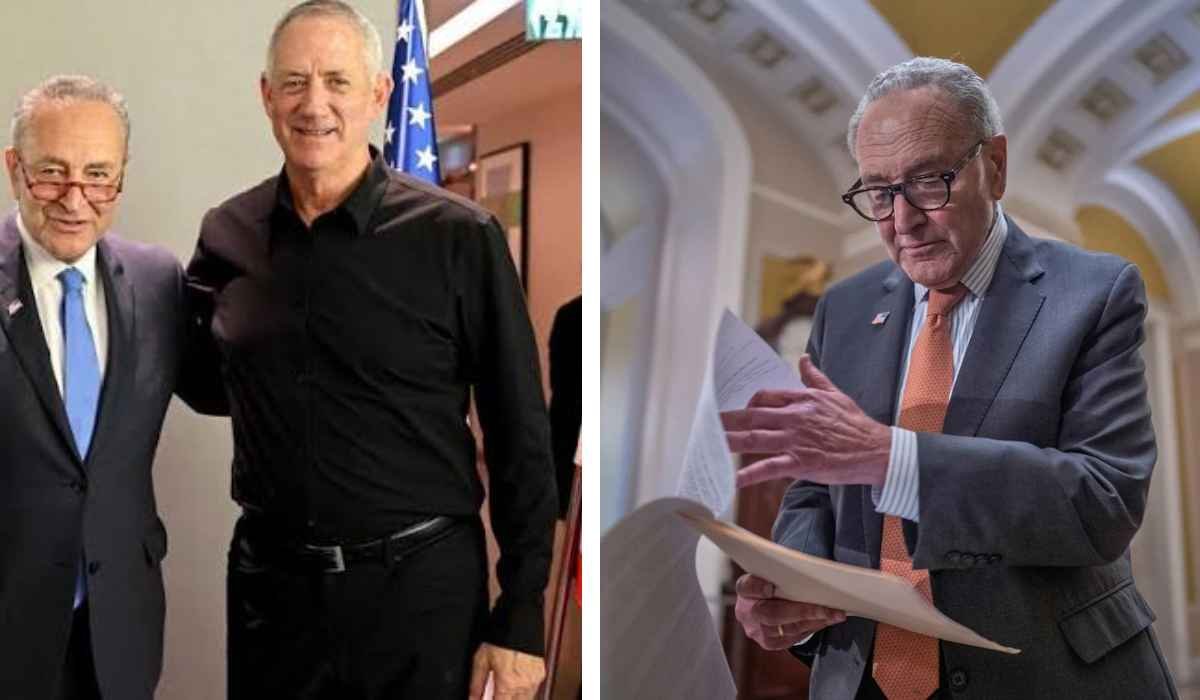
Chuck Schumer has become one of the most important figures in the Democratic Party’s efforts to regain political influence in Washington. As Senate Democratic leader, he faces the challenge of protecting vulnerable seats, recruiting competitive candidates, addressing voter concerns, and building a realistic path toward Senate control. His approach combines candidate recruitment, campaign fundraising, legislative opposition, economic messaging, and election protection. Understanding the chuck schumer midterm election strategy requires examining both his national political priorities and the individual Senate contests that could determine the balance of power in 2026.
| Biography Detail | Information |
|---|---|
| Full Name | Charles Ellis Schumer |
| Common Name | Chuck Schumer |
| Date of Birth | November 23, 1950 |
| Birthplace | Brooklyn, New York, United States |
| Political Party | Democratic Party |
| Current Position | Senate Democratic Leader |
| State Represented | New York |
| First Elected to Senate | 1998 |
| Previous Position | Senate Majority Leader |
| Main Political Focus | Democratic Senate strategy and national policy |
| Official Website | https://www.schumer.senate.gov/ |
1. Understanding Chuck Schumer’s Political Position
Chuck Schumer is an experienced Democratic politician whose influence extends beyond New York. His leadership involves coordinating senators, negotiating legislation, supporting candidates, and developing national political priorities. His position makes him an important figure in determining how Democrats approach congressional elections.
His political experience provides an advantage in understanding Senate races, particularly in states where Democratic candidates face difficult competition. The chuck schumer midterm election strategy reflects his effort to combine national party priorities with the political circumstances of individual states.
2. Why the 2026 Midterm Elections Matter
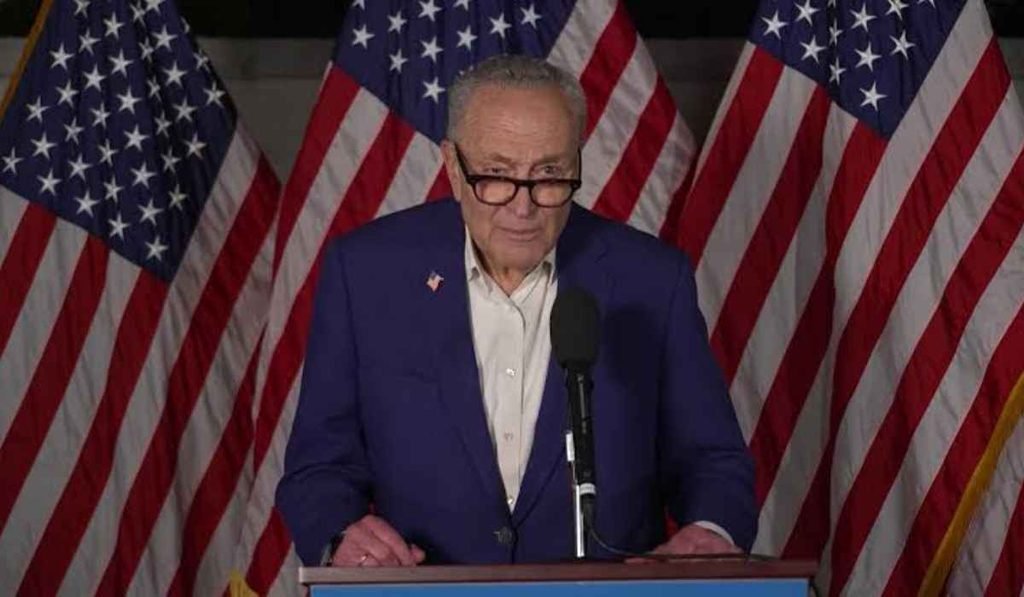
The 2026 midterm elections are important because they will determine the composition of Congress during the second half of President Donald Trump’s current term. Senate control will influence judicial confirmations, legislation, investigations, and oversight responsibilities.
For Schumer, the results also represent an important assessment of his leadership. A stronger Democratic performance could reinforce his position within the caucus, while disappointing results could increase demands for new leadership and a different political direction.
3. The Main Goal of Regaining Senate Control
One of Schumer’s central objectives is to improve Democratic representation in the Senate. Republicans entered the 2026 election cycle with a majority, creating a difficult environment for Democrats seeking to reverse the balance.
The party must defend competitive seats while finding opportunities to defeat Republican incumbents. This requires disciplined candidate recruitment, strong campaign organizations, financial resources, and favorable political conditions. Winning individual states rather than relying entirely on national popularity remains essential.
4. Recruiting Strong Democratic Candidates
Candidate recruitment is an important component of national Senate campaigning. Schumer and Democratic campaign organizations have worked to identify candidates with political experience, fundraising potential, and the ability to compete in states that traditionally favor Republicans.
Recruitment decisions also involve evaluating local political conditions. A candidate with strong statewide recognition may have advantages over someone who appeals primarily to the party’s most active supporters. Schumer’s approach emphasizes finding candidates capable of reaching broader electorates.
5. Targeting Competitive Senate States
The Senate electoral map presents Democrats with both opportunities and significant challenges. States such as Maine, North Carolina, Ohio, and Alaska have received particular attention as possible Republican-held seats Democrats could contest.
These states require different campaign approaches because their voters, political histories, and economic priorities are not identical. The chuck schumer midterm election strategy therefore depends on understanding local concerns instead of assuming one national message will work everywhere.
6. Protecting Vulnerable Democratic Senate Seats
Winning additional seats is only one part of the equation. Democrats must also defend their existing representation in states where Republican candidates could become competitive.
Michigan and Georgia have attracted particular attention because their political environments could influence the broader Senate calculation. Protecting these seats requires strong incumbent campaigns, effective communication, local organization, and sufficient financial support throughout the election cycle.
7. Economic Issues and the Cost of Living
Economic concerns are likely to remain central to the 2026 election conversation. Inflation, household expenses, housing affordability, healthcare costs, and employment opportunities influence how voters evaluate the federal government.
Schumer has emphasized affordability as an important Democratic message. This approach connects national economic debates with everyday financial pressures. Campaigns can explain how congressional decisions affect families while presenting their proposals for improving economic conditions.
8. Healthcare as a Major Campaign Priority
Healthcare is another important issue in Democratic political messaging. Insurance affordability, prescription drug prices, hospital access, and the future of federal healthcare programs can influence voters across different age groups and income levels.
Schumer’s party has opportunities to challenge Republican healthcare proposals while explaining its own policy priorities. Effective communication requires clear explanations of legislation and its potential consequences rather than relying exclusively on political slogans.
9. Responding to Donald Trump’s Political Influence
Donald Trump’s influence remains a major consideration in the 2026 midterm environment. His approval ratings, administration decisions, public statements, and campaign appearances can influence Republican candidates in competitive Senate races.
Schumer has sought to connect Republican candidates with the administration’s national record. Democrats can use this contrast to discuss economic conditions, foreign policy, government accountability, and congressional oversight. However, individual candidates must also demonstrate an independent understanding of their states.
10. Building a Strong National Democratic Message
A national campaign message helps voters understand what a political party represents. For Democrats, the challenge is combining opposition to Republican policies with practical proposals addressing household concerns.
The chuck schumer midterm election strategy includes highlighting issues such as affordability, corruption, healthcare, and government accountability. These subjects can create a recognizable national message, although successful candidates must adapt their communication to local political priorities.
11. Campaign Fundraising and Financial Resources
Modern Senate campaigns require substantial financial resources. Candidates need money for advertising, campaign staff, voter outreach, research, travel, and organizing activities across large states.
Democratic fundraising efforts must compete with Republican organizations and outside political groups. Schumer’s political network and relationships with campaign organizations can help candidates access financial support. Nevertheless, fundraising totals alone cannot guarantee electoral success.
12. The Role of Senate Majority PAC
Senate Majority PAC is an important Democratic-aligned organization involved in supporting competitive Senate campaigns. It can help candidates through advertising and other independent political activities.
The organization operates within a larger fundraising environment that includes candidate committees, political action committees, and outside groups. Its spending decisions can influence which races receive additional attention. Financial coordination within legal campaign rules remains an important consideration.
13. The Importance of Local Campaign Strategies
National political leadership cannot replace local campaign knowledge. Voters in Maine may prioritize different issues from voters in Ohio, Alaska, or North Carolina.
Successful campaigns must understand regional industries, employment patterns, community concerns, and state political traditions. Candidates also need credible local connections. Schumer’s national strategy is most effective when it supports campaigns that understand their individual electorates.
14. Managing Democratic Party Divisions
The Democratic Party contains moderates, progressives, liberals, and independents who sometimes disagree over policy and political priorities. Managing these differences is an important responsibility for Schumer.
Primary elections can expose disagreements about candidate selection, economic policy, foreign affairs, and party leadership. The challenge is maintaining meaningful debate while avoiding unnecessary divisions that could weaken candidates before the general election.
15. Schumer’s Leadership Challenges
Schumer’s leadership has faced criticism from different parts of the Democratic coalition. Some activists and lawmakers have questioned whether his approach demonstrates sufficient opposition to Republican priorities.
His support within the Senate caucus also depends on electoral performance and relationships with colleagues. The chuck schumer midterm election strategy is therefore connected to his personal political future as well as the Democratic Party’s broader ambitions.
16. Election Protection and Voting Rights
Election administration and public confidence in voting are important subjects in the 2026 campaign. Schumer announced an Election Protection Task Force in April 2026 to prepare for potential threats to election integrity.
The initiative focuses on identifying problems, coordinating with election experts, and protecting the participation of eligible voters. It demonstrates that Democratic election planning includes institutional safeguards alongside ordinary campaign activities.
17. The Senate Election Observer Program
In June 2026, Schumer and Senator Alex Padilla announced a Senate Election Observer Program. The initiative was designed to train and deploy Senate staff as congressional observers during the midterm elections.
The program forms part of the broader election protection effort. It emphasizes observation, documentation, and communication with relevant authorities. Protecting voting access and maintaining confidence in accurate election administration are important democratic responsibilities.
18. Responding to Election Interference Concerns
Schumer has publicly expressed concerns about potential federal interference in election administration. Senate Democrats have discussed possible threats involving voter registration, election officials, mail voting, and certification procedures.
These concerns have become part of the Democratic leadership’s public messaging. Legal challenges, election monitoring, and cooperation with state and local officials are important components of any response to credible threats against lawful voting procedures.
19. The Importance of Voter Turnout
Voter turnout can significantly influence competitive Senate elections. Midterm elections often attract different levels of participation from presidential elections, making voter engagement an important campaign consideration.
Democratic candidates need to communicate with established supporters and voters who may not participate regularly. Clear policy explanations, accessible voting information, and local community engagement can help strengthen participation without assuming that every potential voter shares identical priorities.
20. Digital Media and Political Communication
Digital communication has transformed modern election campaigns. Candidates use websites, social media, email newsletters, interviews, and online advertising to explain their positions and respond to political developments.
Schumer’s national messaging benefits from a combination of traditional media and digital communication. However, campaigns must address misinformation responsibly and provide reliable information. Consistent communication helps voters understand candidates’ records and policy positions.
21. The Role of Independent Voters

Independent voters can be especially important in closely contested Senate elections. Their political preferences may change according to economic conditions, candidate credibility, and public concerns about government performance.
Democratic candidates must demonstrate that their proposals address issues beyond the party’s established political base. This involves discussing practical economic solutions, public services, national security, and government accountability in accessible language.
22. Republican Campaign Advantages and Challenges
Republicans enter the 2026 Senate contests with several advantages, including control of the chamber and substantial financial resources from supportive political organizations. Their candidates can emphasize legislative accomplishments and criticize Democratic proposals.
However, Republican incumbents may also face questions about the administration’s performance and national economic conditions. The electoral environment will depend on individual candidates, state-level political circumstances, campaign organization, and voter priorities.
23. Lessons From Previous Midterm Elections
Historical midterm elections demonstrate that the president’s party frequently faces political challenges. Voters sometimes use congressional elections to express dissatisfaction with the administration or demand a different balance of power.
Schumer’s experience with previous election cycles provides valuable context. However, historical comparisons should not be treated as guarantees. Each election involves different candidates, political conditions, economic pressures, and public attitudes.
24. The 2006 Election as a Historical Comparison
Schumer has compared the political environment surrounding the 2026 elections with the 2006 midterms. Democrats benefited from dissatisfaction with President George W. Bush’s administration and the Iraq War during that election cycle.
The comparison offers a historical example of how an opposition party can make gains despite a challenging Senate map. Nevertheless, the political environment in 2026 has its own characteristics, making direct predictions based on historical similarities unreliable.
25. The Importance of Swing-State Voters
Swing-state voters can determine the outcome of close Senate contests. These voters may consider economic performance, candidate experience, healthcare, education, immigration, and national political leadership when making decisions.
Campaigns need to understand the differences between suburban, rural, and urban communities. A statewide message must remain recognizable while allowing candidates to discuss the specific concerns of their constituents.
26. Possible Outcomes for Democratic Leadership
The midterm results could influence Schumer’s future as Senate Democratic leader. A successful election would strengthen his position among colleagues, while significant losses could renew discussions about leadership changes.
Reporting by the Associated Press in October 2026 indicated that Schumer had regained considerable support within his caucus. However, some Democratic senators and candidates remained unwilling to commit publicly to supporting him in a future leadership vote.
27. What Happens if Democrats Regain the Senate?
If Democrats regain the Senate majority, their influence over congressional priorities and committee leadership would increase. They could exercise greater control over the legislative agenda and confirmation processes.
However, gaining a majority would not automatically resolve disagreements within the party. Democratic senators represent states with different political environments, meaning that cooperation and negotiation would remain necessary.
28. What Happens if Republicans Maintain Their Majority?
If Republicans retain control of the Senate, Schumer would continue leading the Democratic opposition. His responsibilities would include responding to legislation, coordinating Democratic senators, and preparing for future congressional contests.
Such an outcome could also intensify discussions about campaign performance and party leadership. The ability to learn from unsuccessful races would become important for developing future Democratic electoral priorities.
29. Major Factors That Could Determine Election Results
Several factors will influence the final Senate results. Economic conditions, candidate quality, campaign spending, presidential approval, voter turnout, and unexpected national developments can all affect competitive races.
The chuck schumer midterm election strategy must therefore remain adaptable. No national campaign plan can completely control unpredictable political events or guarantee victories across several different states.
30. Evaluating the Overall Democratic Strategy
Evaluating Schumer’s political approach requires looking beyond campaign statements. Candidate recruitment, fundraising, state-level organization, legislative priorities, election protection, and relationships within the Senate all contribute to the broader picture.
The most useful assessment considers measurable outcomes rather than political predictions. Senate seats won or lost, campaign performance, voter participation, and the resulting leadership balance will provide stronger evidence of the strategy’s effectiveness.
31. Why Schumer’s Political Experience Matters
Schumer has spent decades working within national politics, giving him experience with congressional negotiations and election campaigns. His long involvement in Senate politics provides institutional knowledge that can be valuable during complicated electoral cycles.
Experience, however, is not a substitute for adapting to changing public expectations. Successful leadership requires listening to voters, evaluating new political circumstances, and responding to criticism from within the party.
32. The Future of Democratic Senate Campaigning
The 2026 election may influence how Democrats approach future Senate campaigns. Candidate recruitment, digital outreach, economic messaging, campaign finance, and election administration will remain important subjects.
Schumer’s leadership experience and the results of the current cycle could shape Democratic planning for subsequent elections. The party’s long-term strength will depend on maintaining competitive candidates and developing policies that respond to changing public concerns.
33. Final Assessment of Schumer’s Midterm Approach
Chuck Schumer’s approach combines electoral competition with broader questions about Democratic leadership and congressional power. His focus on competitive states, affordability, healthcare, candidate recruitment, and election protection illustrates the different responsibilities involved in national Senate campaigning.
Ultimately, the chuck schumer midterm election strategy will be judged by actual electoral results and its ability to strengthen Democratic representation. The 2026 midterms will also provide an important indication of whether Schumer can maintain the confidence of his colleagues while navigating a challenging national political environment.
Frequently Asked Questions (FAQs)
1. Who is Chuck Schumer?
- Chuck Schumer is a Democratic senator from New York and the Senate Democratic leader.
2. What is his main objective in the 2026 midterm elections?
- His central objective is to strengthen Democratic representation and create a path toward regaining control of the Senate.
3. Which states are important to the Democratic Senate strategy?
- Maine, North Carolina, Ohio, and Alaska are among the Republican-held states Democrats have targeted, while Michigan and Georgia are important defensive contests.
4. Why is election protection important to Schumer?
- He has supported election protection initiatives intended to safeguard voting access, monitor potential interference, and protect confidence in election administration.
5. Could the 2026 midterms affect Schumer’s leadership position?
- Yes. Democratic electoral performance could influence support for his leadership and discussions about the party’s future direction.
Related Wikipedia Reference
For additional background about Chuck Schumer’s political career, Senate service, biography, and leadership history, readers can visit Chuck Schumer – Wikipedia. This reference provides supplementary historical information for readers interested in understanding his political background and the wider context of his involvement in American congressional politics.