

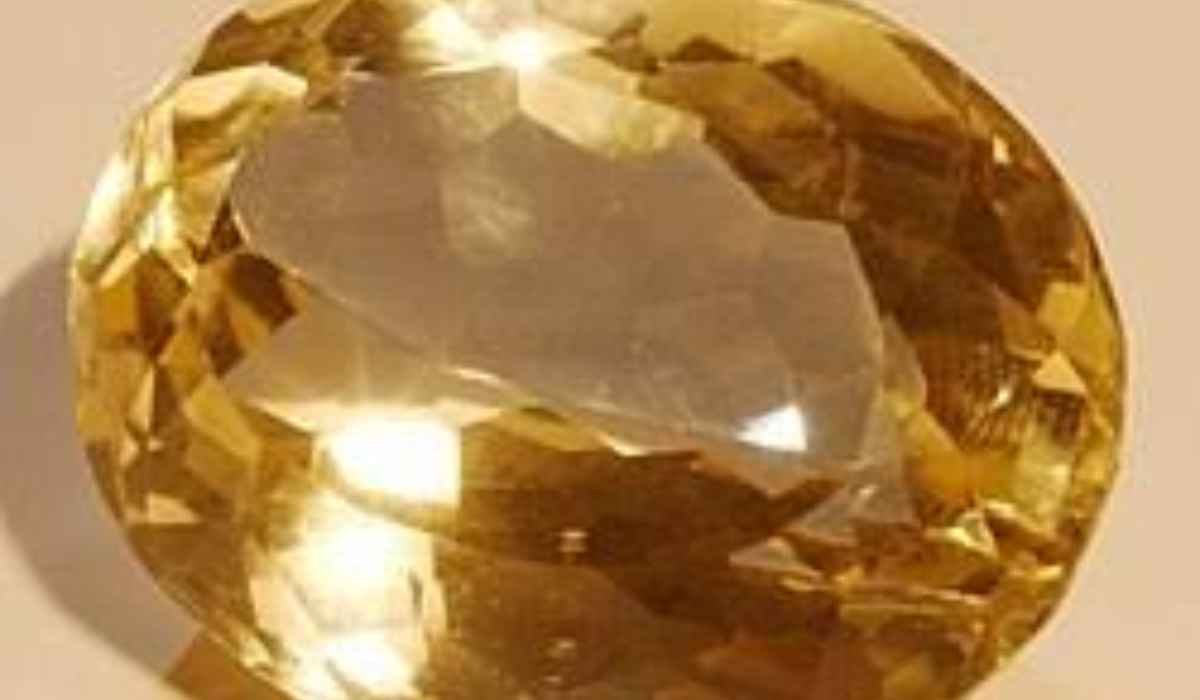
October is a special month for gemstone lovers because people born during this time have two beautiful birthstones: opal and tourmaline. These gemstones are admired for their remarkable colors, fascinating history, symbolic meanings, and natural beauty. Opal is famous for displaying rainbow-like flashes, while tourmaline is appreciated for its incredible variety of shades. Both stones have unique characteristics that make them popular choices for jewelry, birthday gifts, and personal collections. Understanding their origins, meanings, varieties, and care requirements helps people appreciate why these gemstones have remained valuable throughout history.
Quick Biography Table
| Category | Details |
|---|---|
| Birth Month | October |
| Traditional Gemstone | Opal |
| Modern Gemstone | Tourmaline |
| Main Colors | Rainbow, pink, green, blue, white |
| Opal Hardness | 5–6.5 Mohs |
| Tourmaline Hardness | 7–7.5 Mohs |
| Main Symbolism | Hope, love, creativity, balance |
| Popular Sources | Australia, Brazil, Ethiopia |
| Zodiac Signs | Libra and Scorpio |
| Anniversary Connection | 14th and 8th anniversaries |
1. What Is the October Birthstone?
The October birthstone tradition recognizes two gemstones, opal and tourmaline. Both stones are admired for their attractive appearances and distinctive mineral characteristics. Opal displays colorful flashes that change when viewed from different angles, while tourmaline naturally occurs in an extraordinary selection of colors. These gemstones provide different styles and meanings, making them suitable for people with different preferences. Whether someone appreciates mysterious rainbow patterns or bright, solid colors, October offers beautiful gemstone choices that can become meaningful personal accessories.
2. Understanding the Traditional October Gemstone
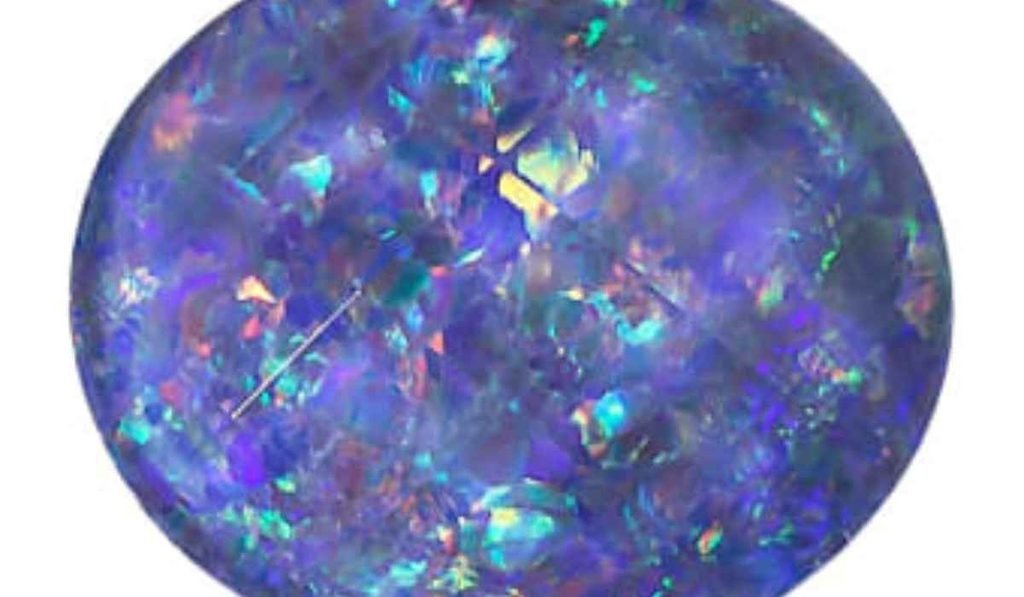
Opal is the traditional gemstone associated with October. It has attracted attention for centuries because of its unusual appearance and beautiful color patterns. Unlike many gemstones that display one dominant color, opal can reveal several shades across its surface. These flashes are commonly called play-of-color. Depending on the specimen, viewers may notice green, blue, orange, red, or violet reflections. Its fascinating appearance has inspired jewelry designers, collectors, writers, and gemstone enthusiasts around the world.
3. Discovering Tourmaline as a Modern Birthstone
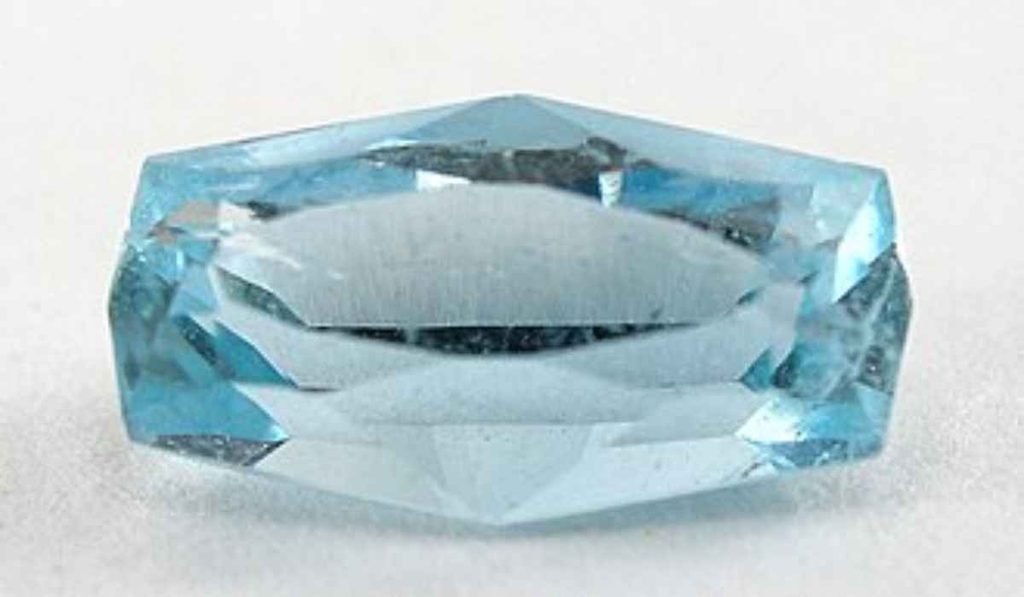
Tourmaline is the second gemstone associated with October and is especially popular among modern jewelry lovers. It is known for its impressive color range, including pink, green, blue, yellow, red, and purple. Some crystals even display multiple colors within a single specimen. This natural variety makes tourmaline particularly interesting for jewelry designers who want distinctive pieces. Its attractive appearance, relatively good durability, and availability in different price ranges have helped it become an important gemstone in the international jewelry market.
4. The Meaning Behind October Gemstones
Both October gemstones carry meaningful symbolism in different traditions. Opal is commonly associated with hope, purity, imagination, and emotional expression. Tourmaline is frequently connected with creativity, compassion, balance, and positive energy. These meanings come from historical beliefs and cultural traditions rather than scientifically established properties. Many people enjoy choosing gemstones according to their symbolic associations. As birthday presents, these stones can represent affection, encouragement, and appreciation while giving the recipient something beautiful to wear.
5. The Fascinating History of Opal
Opal has a long and interesting history that stretches across different civilizations. Its name is commonly connected with the Sanskrit word upala, meaning precious stone, and the Latin word opalus. Ancient Romans considered it especially valuable because it displayed colors associated with several other gemstones. Throughout history, people have connected opal with beauty, good fortune, hope, and protection. Its unusual appearance helped it become a favorite among royalty, wealthy collectors, and jewelry enthusiasts.
6. The Historical Background of Tourmaline
Tourmaline has an equally fascinating past. The gemstone was often confused with other colorful minerals because of its wide range of appearances. Green specimens were sometimes mistaken for emeralds, while red varieties were occasionally identified as rubies. Mineralogists eventually recognized tourmaline as a distinct mineral group. Its popularity increased through international gemstone trading, particularly after discoveries in Brazil and the United States. Today, collectors appreciate it for its natural color combinations, crystal formations, and attractive appearance.
7. Different Colors Found in Opal
Opal appears in numerous colors, making every specimen visually interesting. Common varieties include white, black, crystal, boulder, and fire opal. White varieties often have a light body color with colorful flashes, while black specimens display darker backgrounds that can make their patterns appear especially vivid. Fire opal is recognized for yellow, orange, and reddish body colors. Each variety offers a different appearance, allowing jewelry designers and collectors to select pieces according to their preferred colors and styles.
8. Exploring the Colorful World of Tourmaline
Tourmaline is famous for its remarkable color diversity. Popular varieties include pink rubellite, green chrome tourmaline, blue tourmaline, and copper-bearing Paraíba tourmaline. Some crystals contain several colors arranged in different sections, creating beautiful natural patterns. Watermelon tourmaline is particularly recognizable because it can display green outer areas and pink inner sections. This variety of appearances makes the gemstone attractive to people who enjoy colorful jewelry and unusual mineral specimens.
9. What Makes Opal So Special?
The most distinctive characteristic of opal is its play-of-color. This optical effect happens when microscopic silica spheres interact with light and produce colorful flashes. Depending on their arrangement and size, these structures can create different colors and patterns. Some stones show broad patches of color, while others reveal tiny sparkling points. This natural phenomenon makes each suitable specimen visually unique. No two pieces necessarily display exactly the same pattern, which increases the interest of collectors and jewelry enthusiasts.
10. Why Tourmaline Has Such Different Colors
Tourmaline’s colors are influenced by its chemical composition and the presence of trace elements. Iron and possibly titanium contribute to certain green and blue shades, while manganese is associated with pink and red colors. October Birthstone Copper gives some rare varieties their distinctive intense blue and green appearance. These natural chemical differences explain why tourmaline can appear in so many shades. Its color diversity also makes it a fascinating subject for mineral collectors and gemstone researchers.
11. Where Is Opal Found Around the World?
Australia is one of the world’s most important sources of natural opal. Famous locations include Lightning Ridge, Coober Pedy, Andamooka, and White Cliffs. Ethiopia and Mexico are also important producing countries. Mexican deposits are particularly recognized for colorful fire opal. Other deposits occur in Brazil, Honduras, Indonesia, Madagascar, Peru, Turkey, and the United States. Different geological environments produce different varieties, colors, and patterns, making the geographical origin an interesting part of gemstone identification.
12. Important Tourmaline Mining Locations
Tourmaline is found in several countries, with Brazil being one of its most important sources. Other producing locations include Afghanistan, Pakistan, Mozambique, Madagascar, and Kenya. In the United States, Maine and California have historically produced attractive specimens. Brazil’s Minas Gerais region is particularly famous for colorful tourmaline crystals. Paraíba State became internationally recognized after the discovery of vivid copper-bearing varieties. These mining locations contribute to the gemstone’s international popularity and availability.
13. Opal and Its Connection With Ancient Beliefs
Different civilizations developed fascinating beliefs about opal. Ancient Greeks associated the gemstone with prophecy and protection, while some European traditions connected it with hope, purity, and truth. Bedouin stories described opals as containing lightning from thunderstorms. Such beliefs demonstrate how unusual natural objects inspired imagination throughout history. Although these traditional associations are not scientifically proven, they remain an interesting part of gemstone culture and explain why opal continues to hold symbolic importance.
14. Tourmaline and Its Symbolic Importance
Tourmaline has developed several symbolic associations over the years. Pink varieties are commonly connected with affection, kindness, and compassion. Green specimens are sometimes associated with courage, confidence, and personal growth. Black tourmaline has become popular in traditions involving protection and emotional grounding. These interpretations vary between cultures and individuals. Many people choose particular colors because they connect with their personal experiences, favorite styles, or meaningful occasions.
15. The Difference Between Opal and Tourmaline
Although both gemstones belong to the same birth month, they have important differences. Opal is a hydrated silica material known for its colorful optical effects. Tourmaline is a complex boron-containing mineral group that occurs in numerous natural colors. Opal is generally softer and requires more careful handling. Tourmaline is harder and usually better suited to regular jewelry use. Their appearances, mineral structures, durability, and cleaning requirements make them suitable for different jewelry preferences.
16. Understanding the Hardness of Opal
Opal generally measures between 5 and 6.5 on the Mohs hardness scale. This means it can be scratched by harder gemstones and requires careful storage. Owners should avoid placing opal jewelry alongside diamonds, sapphires, or other harder materials without protection. Sudden temperature changes and excessive heat may also damage certain specimens. Although its durability is lower than many popular jewelry stones, proper handling can help preserve its appearance for many years.
17. How Durable Is Tourmaline?
Tourmaline typically measures between 7 and 7.5 on the Mohs hardness scale. This makes it harder than opal and suitable for many types of jewelry, including rings, earrings, necklaces, and bracelets. However, hardness does not mean that a gemstone cannot break or become damaged. Strong impacts, unsuitable cleaning methods, and careless handling can still cause problems. Proper maintenance and secure jewelry settings help protect tourmaline and maintain its attractive appearance.
18. Popular Jewelry Made With Opal
Opal is used in several attractive jewelry designs. Rings are especially popular because they allow the gemstone’s changing colors to become the main visual feature. Pendants and necklaces provide another elegant way to display larger specimens. Earrings can feature matching or complementary stones, creating a balanced appearance. Some designers also use opal in bracelets and decorative accessories. Its unique color patterns make it suitable for both traditional jewelry and contemporary fashion designs.
19. Tourmaline Jewelry for Different Occasions
Tourmaline is a versatile gemstone that works beautifully in different jewelry styles. Pink tourmaline rings are popular romantic gifts, while green varieties can create elegant everyday accessories. Blue specimens are often selected for sophisticated necklaces and earrings. Multicolored tourmaline can also be used in artistic jewelry designs. Because it occurs in different colors and sizes, buyers can find pieces suitable for birthdays, anniversaries, celebrations, and personal collections.
20. How to Clean and Maintain Opal
Cleaning opal requires gentle treatment because of its relatively low hardness and sensitivity to extreme conditions. The recommended approach is to use warm water, mild soap, and a soft cloth. Avoid harsh chemicals, ultrasonic cleaners, and steam cleaning unless a qualified professional confirms that a particular piece can tolerate them. Store the gemstone separately from harder jewelry. These simple precautions can help reduce scratches, fractures, and other damage while maintaining its natural beauty.
21. Essential Care Tips for Tourmaline
Tourmaline is generally easier to maintain than opal, but it still deserves careful treatment. Warm soapy water and a soft brush are commonly recommended for routine cleaning. Avoid exposing the gemstone to excessive heat or sudden temperature changes. Ultrasonic and steam cleaners are not recommended as general cleaning methods because some specimens may contain internal features or treatments that make them vulnerable. Keeping jewelry in a separate compartment can also prevent accidental scratches and damage.
22. How to Choose the Best Opal
Selecting a quality opal involves examining several characteristics. Buyers should consider the brightness, pattern, body color, and visibility of play-of-color. A gemstone with attractive flashes across different viewing angles may be particularly desirable. Its condition is equally important, so check for cracks, chips, and other visible damage. Ask the seller whether the specimen is natural, treated, or assembled as a doublet or triplet. Reliable information helps buyers understand exactly what they are purchasing.
23. Important Factors When Buying Tourmaline
When buying tourmaline, color is one of the most important considerations. Buyers should examine the intensity, distribution, transparency, and overall appearance of the gemstone. Natural inclusions are common in many specimens, but their visibility and effect on appearance can influence value. Rare colors, particularly vivid copper-bearing blue and green varieties, may command higher prices. Purchasing from a reputable seller and requesting appropriate gemstone documentation can help buyers make informed decisions.
24. Are These Gemstones Suitable for Birthday Gifts?
Both gemstones make meaningful birthday gifts because they are traditionally connected with people born during October. Opal is an excellent option for someone who appreciates unusual patterns and rainbow-like colors. Tourmaline is suitable for individuals who prefer colorful gemstones with greater hardness. Jewelry featuring either stone can become a personal keepsake. Buyers can also choose designs according to the recipient’s favorite color, fashion preferences, and lifestyle.
25. The Connection Between October and Zodiac Signs
October includes two zodiac signs: Libra and Scorpio. Libra generally covers birthdays from September 23 through October 22, while Scorpio begins around October 23 and continues into November. These signs are associated with different personality descriptions in astrology. Libra is traditionally connected with harmony, fairness, and balance, whereas Scorpio is associated with determination, passion, and intensity. Birthstones are sometimes selected according to zodiac symbolism, although these traditions are separate from scientific gemstone classifications.
26. Opal and Its Wedding Anniversary Connection
Opal is traditionally associated with the fourteenth wedding anniversary. Its colorful appearance makes it a meaningful symbol for couples celebrating years of shared experiences. An opal pendant, ring, pair of earrings, or decorative jewelry piece can become a memorable anniversary present. Its traditional associations with hope, affection, and beauty add sentimental value. Couples may also choose a particular variety based on its colors, design, or personal significance.
27. Tourmaline as an Anniversary Gemstone
Tourmaline is traditionally associated with the eighth wedding anniversary. Its different colors provide many opportunities for thoughtful gift selection. Pink varieties may symbolize affection, while green stones can represent growth and renewal in personal interpretations. Jewelry designers often combine tourmaline with gold, silver, platinum, or diamonds to create distinctive anniversary pieces. Its relatively good hardness also makes it a practical option for people who want attractive jewelry suitable for regular use.
28. Interesting Facts About October Gemstones
There are several interesting facts about these two gemstones. Opal contains water within its hydrated silica structure, which contributes to its distinctive physical characteristics. Some specimens can display impressive rainbow patterns under suitable lighting. Tourmaline, meanwhile, can become electrically charged when heated or compressed, a property known as pyroelectricity and piezoelectricity. These scientific characteristics make both materials fascinating beyond their use in jewelry and decorative objects.
29. Why Collectors Appreciate These Gemstones
Gemstone collectors appreciate these materials for different reasons. Opal attracts attention through its unique color patterns, rarity in certain varieties, and geological origins. Black opal from Lightning Ridge is particularly admired by collectors. Tourmaline appeals to collectors because of its broad color range and interesting crystal formations. Exceptional specimens can become important additions to mineral collections. Their natural diversity means that collectors can explore different appearances without purchasing identical-looking stones.
30. Common Myths About Opal and Tourmaline
Several myths surround these gemstones, particularly their supposed effects on luck, health, and personal energy. Some traditions suggest that opal brings misfortune to people who were not born in October, but there is no scientific evidence supporting this claim. Similarly, tourmaline is sometimes promoted as having special protective or healing abilities. These ideas belong to folklore and spiritual traditions rather than established medical science. Buyers should appreciate these stories without confusing them with proven facts.
31. The Future of Colorful Birthstone Jewelry
Modern jewelry design continues to create new ways to display colorful gemstones. Consumers increasingly explore personalized rings, delicate necklaces, custom pendants, and unusual combinations of stones. Opal and tourmaline both fit these trends because they offer distinctive colors and appearances. Responsible sourcing and transparent gemstone descriptions are also important considerations for modern buyers. As jewelry preferences continue changing, these traditional stones are likely to remain attractive choices for personal accessories and meaningful presents.
32. Why October Gemstones Remain Popular
The lasting popularity of these gemstones comes from their natural beauty, historical associations, and versatility. Opal offers colorful optical effects that are difficult to reproduce naturally, while tourmaline provides a remarkable selection of shades. Both stones have established places in jewelry traditions and gemstone collections. Their symbolic meanings also allow people to select pieces that represent personal memories, relationships, and celebrations. These qualities help keep them relevant across different generations.
33. Final Thoughts on October Birthstones
Choosing between opal and tourmaline ultimately depends on personal taste, budget, and lifestyle. Opal is ideal for people who appreciate fascinating rainbow effects and traditional gemstone history. Tourmaline is an excellent alternative for those who prefer colorful varieties and somewhat greater durability. Both gemstones offer beauty and meaningful symbolism, making them wonderful options for birthday jewelry and personal collections. To explore additional gemstone history and mineral information, readers can visit the related Wikipedia article about birthstones, which provides further background about the traditions connecting gemstones with birth months.
Frequently Asked Questions (FAQs)
1. What is the traditional gemstone for October?
- Opal is the traditional gemstone associated with October and is famous for its colorful play-of-color.
2. Does October have more than one birthstone?
- Yes, October has two recognized gemstones: opal and tourmaline.
3. What color is the October gemstone?
- Opal displays rainbow-like colors, while tourmaline occurs in pink, green, blue, red, yellow, and many other shades.
4. Is tourmaline stronger than opal?
- Yes, tourmaline measures 7–7.5 on the Mohs scale, while opal generally measures 5–6.5.
5. What does an October gemstone symbolize?
- Opal is associated with hope and purity, while tourmaline is commonly connected with creativity, compassion, and balance.