

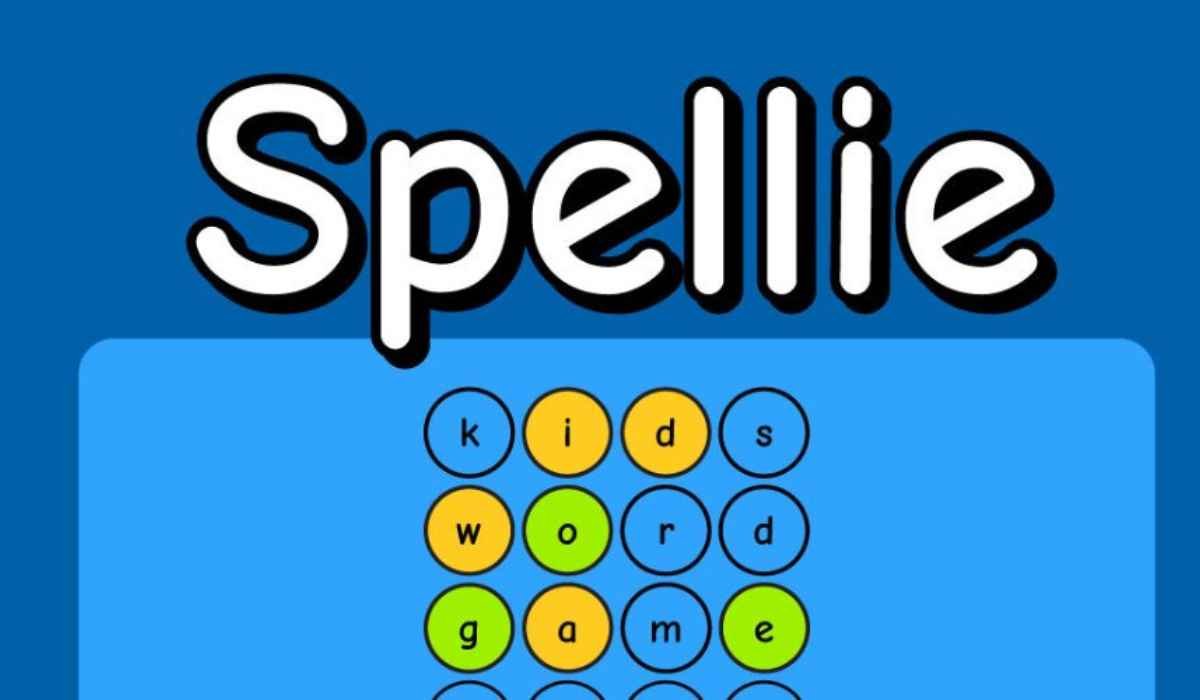
1. Introduction to Spelliegame
Word games have become a popular way to combine entertainment with learning. They challenge players to recognize letters, understand spelling patterns, and discover new vocabulary through simple daily activities. Spelliegame is an interesting option for people who enjoy solving word puzzles, especially children who are developing their language abilities. Inspired by the popular Wordle format, it offers a more approachable experience with different difficulty levels. Whether someone is a beginner or an experienced puzzle enthusiast, playing word challenges can make everyday learning more enjoyable and encourage regular mental exercise.
Quick Bio Table
| Detail | Information |
|---|---|
| Name | Spelliegame |
| Game category | Word puzzle |
| Main inspiration | Wordle |
| Main purpose | Spelling and vocabulary practice |
| Target audience | Children, families, and adults |
| Difficulty levels | Easy, Medium, and Hard |
| Gameplay style | Daily word guessing |
| Main skills | Spelling, vocabulary, and reasoning |
| Platform | Web-based |
| Cost | Historically free to play |
2. What Is Spelliegame?
Spelliegame is associated with Spellie, a child-friendly word puzzle developed as an accessible alternative to traditional Wordle. Players attempt to identify hidden words by entering guesses and examining feedback after each attempt. The format encourages users to think carefully about letter positions and spelling combinations. Its different difficulty settings make the experience suitable for various skill levels. Rather than depending on complicated controls, the game focuses on language, observation, and logical thinking, making it an approachable activity for families, students, and anyone who enjoys word-based entertainment.
3. The Story Behind the Game

Spellie was launched in February 2022 by David Hirtle and his development partner. The creators introduced it as a version of Wordle designed especially for children. Its popularity grew among families and educators who wanted an enjoyable way to encourage spelling practice. In February 2023, the creators reported that players worldwide had solved more than 6.1 million puzzles during the game’s first year. This milestone demonstrated how simple educational games can attract interest from different age groups and communities.
4. How the Game Works
The basic gameplay is straightforward. A player receives a hidden word and tries to discover it by entering possible answers. Each guess produces clues that help explain whether individual letters are correct and whether they appear in the right positions. These clues become the foundation for the next attempt. Spelliegame encourages players to use previous information instead of making random guesses. The objective is to solve the puzzle using careful observation, spelling knowledge, and a sensible strategy before the available attempts run out.
5. Understanding the Three Difficulty Levels
One useful feature of Spellie is its three difficulty settings. Easy, Medium, and Hard provide different levels of challenge, allowing players to choose according to their confidence and vocabulary. The settings also make the game useful for children at different stages of learning. Beginners can start with shorter words, while experienced players can attempt longer and potentially more complicated answers. This gradual structure helps prevent frustration and gives players opportunities to improve their skills through repeated practice.
6. Easy Mode for Beginners
Easy mode is a suitable starting point for younger children and people who are unfamiliar with word puzzles. It focuses on shorter words, making the challenge easier to understand and complete. Players can concentrate on recognizing common letters and learning how different spelling combinations work. Parents may use this level to introduce children to puzzle-solving without creating unnecessary pressure. Successful guesses can also increase confidence, encouraging beginners to continue practicing and gradually explore more challenging vocabulary.
7. Medium Mode for Growing Players
Medium mode offers a balance between accessibility and difficulty. It is useful for players who understand the basic rules but want to improve their spelling and reasoning abilities. The longer words require more careful consideration, particularly when several possible answers share similar letters. Players should examine feedback after every attempt and eliminate unsuitable possibilities. Regular practice at this level can strengthen vocabulary recognition and help learners become more comfortable with unfamiliar word patterns.
8. Hard Mode for Word Experts
Hard mode provides an additional challenge for players who enjoy more demanding vocabulary puzzles. Longer answers require greater attention to spelling, letter placement, and possible word combinations. Players may need to consider less familiar vocabulary instead of relying entirely on common words. This setting can be particularly enjoyable for older children, teenagers, and adults who want to test their language knowledge. The most effective approach is to remain patient, study every clue, and avoid repeating guesses that cannot fit the available information.
9. How to Play Step by Step
Getting started does not require advanced gaming experience. First, open Spellie game the official Spellie website and select an available puzzle. Choose a difficulty level that matches your spelling ability. Next, enter a valid word using the on-screen keyboard or your device’s keyboard. Review the feedback carefully before submitting another guess. Continue adjusting your choices until you identify the hidden answer or reach the attempt limit. This simple process makes the experience accessible to players using computers, tablets, and compatible smartphones.
10. Understanding the Color Clues
Color feedback is an important part of the Wordle-style experience. It helps players understand how their guesses compare with the hidden answer. A correctly positioned letter receives positive feedback, while a letter that belongs in the answer but appears in another position receives different feedback. Letters that are not included in the answer can usually be eliminated. Learning to interpret these clues correctly is essential because every new guess should use information discovered during previous attempts.
11. Tips for Finding the Correct Word
Choosing useful opening guesses can make word puzzles easier. Start with familiar words that contain several commonly used letters. Avoid using the same unsuccessful combination repeatedly because it provides little additional information. Pay attention to vowels, consonants, and the positions suggested by the feedback. When several possible answers remain, compare their spelling patterns and choose a guess that can eliminate more possibilities. A thoughtful approach is usually more effective than entering random words without considering earlier clues.
12. Why Children Enjoy Word Games
Children often enjoy activities that combine simple rules with achievable challenges. Word puzzles provide an opportunity to experiment with letters while working toward a clear goal. The satisfaction of discovering an answer can encourage children to continue learning. Spelliegame also offers different difficulty levels, helping younger users find a challenge that feels appropriate. When families participate together, the activity can become a shared experience involving discussion, teamwork, and friendly competition rather than another ordinary screen-based activity.
13. Educational Benefits of Playing
Word puzzles can support several useful learning activities. They encourage players to recognize spelling patterns, compare different words, and remember previously learned vocabulary. The guessing process also introduces opportunities to practice decision-making. Educational value depends on how the activity is used, but regular puzzle-solving can complement reading, writing, and classroom instruction. Teachers and parents can make the experience more meaningful by discussing unfamiliar words after a puzzle and encouraging children to use those words in sentences.
14. Improving Vocabulary Through Daily Challenges
Vocabulary improves through repeated exposure to words and their meanings. Daily puzzles can encourage learners to think about words they already know while discovering unfamiliar combinations. When a player encounters a new answer, looking up its definition can turn entertainment into a useful learning opportunity. Keeping a small vocabulary notebook is another practical idea. Write down unfamiliar words, their meanings, and example sentences. Over time, this habit can help children and adults become more confident readers and communicators.
15. Developing Better Spelling Skills
Spelling requires an understanding of how letters work together to form recognizable words. Word puzzles encourage players to examine these relationships instead of memorizing isolated letter combinations. Repeated attempts can make common spelling patterns easier to recognize. Players can also compare similar words and notice differences in their structure. For stronger results, combine puzzle activities with reading and writing exercises. These additional activities provide context and help learners understand how spelling works in everyday communication.
16. Building Logical Thinking Abilities
Solving a word puzzle involves more than remembering vocabulary. Players must interpret information, compare possibilities, and eliminate answers that do not match the clues. Each attempt creates new information that influences the next decision. This process provides a simple opportunity to practice logical reasoning and problem-solving. Children can explain why they selected a particular word and what they learned from the feedback. Discussing these decisions can make the activity more educational and help develop thoughtful approaches to everyday challenges.
17. The Importance of Hints
Hints can make a challenging puzzle more approachable, particularly for younger players. Instead of immediately revealing an answer, a useful hint encourages someone to reconsider possible letters or spelling patterns. The creators of Spellie introduced improvements to its hinting system during the early development period. Players should use hints as learning support rather than depending on them for every puzzle. Trying independently first and requesting assistance when necessary can create a healthy balance between challenge and encouragement.
18. Understanding the Daily Puzzle System
Daily puzzles create a regular reason to return to a word game. They provide a small challenge that players can complete as part of their everyday routine. Spellie originally attracted attention through its daily collection of puzzles and different difficulty options. The creators also introduced an archive feature, allowing players to revisit earlier challenges. This was especially useful for families and teachers who wanted more opportunities to practice beyond the standard daily selection.
19. Playing on Mobile Devices
Mobile devices make browser-based word games convenient because players can access them from different locations. A smartphone or tablet with a compatible web browser is generally sufficient for this style of activity. The simple guessing format does not require advanced gaming hardware or complicated controls. Players should make sure their internet connection is stable and that the website displays correctly on their screen. For children, parents can also establish reasonable screen-time limits and encourage breaks between activities.
20. Playing on Desktop Computers

Desktop computers and laptops provide another comfortable way to enjoy spelling puzzles. A larger screen can make letters and feedback easier to examine, especially for younger learners. Players can use a physical keyboard to enter guesses, which may feel more natural for people who regularly type. Desktop access can also be useful in classrooms where teachers want students to complete puzzles together. However, the main objective remains the same: interpret the clues and identify the correct word.
21. Features That Make the Game Interesting
The original Spellie experience included several features designed to improve accessibility and enjoyment. Early updates introduced a smarter hinting system, larger text, improved layouts for phones and tablets, and better keyboard navigation. Players could also reset puzzles so friends or siblings could replay them. Emoji collection added another playful element to the experience. These features helped make the activity approachable for children while giving parents and teachers additional reasons to explore its educational possibilities.
22. How Parents Can Encourage Learning
Parents can make word puzzles more valuable by participating instead of treating them only as independent screen activities. Ask children to explain their guesses and describe why certain letters might belong in the answer. When the puzzle is complete, discuss the meaning of the final word and create a sentence together. Avoid criticizing incorrect guesses because mistakes are part of learning. A supportive environment can make children more willing to experiment, ask questions, and improve their spelling abilities.
23. How Teachers Can Use Word Games
Teachers can use short word challenges as supplementary classroom activities. A puzzle can introduce a lesson about vocabulary, spelling patterns, or problem-solving. Students may work individually, in pairs, or in small groups to discuss possible answers. Educators can also ask learners to identify the meaning of the completed word and use it in a sentence. These activities should complement structured teaching rather than replace reading, writing, and other essential language-learning exercises.
24. Common Mistakes Players Should Avoid
One common mistake is ignoring the information provided by earlier guesses. Players sometimes repeat letters in positions that have already been ruled out, wasting valuable attempts. Another mistake is choosing unfamiliar words without understanding whether they are valid guesses. Rushing through the puzzle can also lead to unnecessary errors. Take time to study each clue, check possible spelling combinations, and consider whether a new guess will provide useful information. Patience and careful observation can make the solving process more successful.
25. Strategies for Becoming a Better Player
Improvement comes from combining practice with thoughtful decision-making. Begin with words that contain useful letters and avoid guesses that repeat too much information. Remember which letters have been confirmed, rejected, or identified in different positions. Expand your vocabulary through books, articles, and conversations. You can also review difficult puzzles and consider which clues were most helpful. These habits make future challenges easier to approach and encourage a stronger understanding of spelling patterns.
26. Comparing Spellie With Other Word Games
Different word games offer different experiences. Traditional crosswords focus on definitions and interconnected answers, while word searches involve locating hidden terms within a grid. Wordle-style games concentrate on identifying a hidden word through repeated guesses and feedback. Spellie was created with children in mind, making its different difficulty settings an important part of its design. Players can explore several formats to discover which activities best support their interests, vocabulary level, and preferred learning style.
27. Is the Game Suitable for Adults?
Although the original game was designed with children as its main audience, adults can also enjoy spelling puzzles. Easy mode can provide a relaxing activity, while harder challenges offer opportunities to test vocabulary and reasoning skills. Parents may participate with their children, and teachers can use the puzzles as supplementary educational exercises. Adults who enjoy daily word challenges may appreciate the straightforward rules and short gameplay sessions. The experience is suitable for different ages when the selected difficulty matches the player’s abilities.
28. Accessibility and a Family-Friendly Experience
An educational game becomes more useful when people can understand its controls without difficulty. Simple layouts, readable text, and clear feedback can help younger players participate independently. Early Spellie updates specifically addressed mobile layouts, keyboard navigation, and browser compatibility. Families should still check the current website before relying on particular features because online services can change over time. Parents can also supervise younger children and make sure their internet activities remain appropriate for their age.
29. The Role of Word Games in Modern Education
Digital word games have become one option for making language practice more interactive. They allow learners to experiment with vocabulary, receive immediate feedback, and approach spelling from a problem-solving perspective. However, no single game can replace a complete educational program. Children still need books, classroom instruction, writing exercises, and conversations to develop strong communication abilities. When used as an additional learning resource, short puzzles can make language practice more interesting and encourage curiosity about words.
30. Final Thoughts
Spellie demonstrates how a simple word puzzle can combine entertainment, spelling practice, and logical thinking. Its child-friendly concept, multiple difficulty levels, and helpful features made it appealing to families and educators after its introduction. Players can enjoy the challenge independently or work together to discover hidden answers. The most important benefit comes from approaching every puzzle as an opportunity to learn something new. For additional background, readers can explore the Wikipedia article about Wordle, which explains the popular word-guessing format that inspired many similar games.