

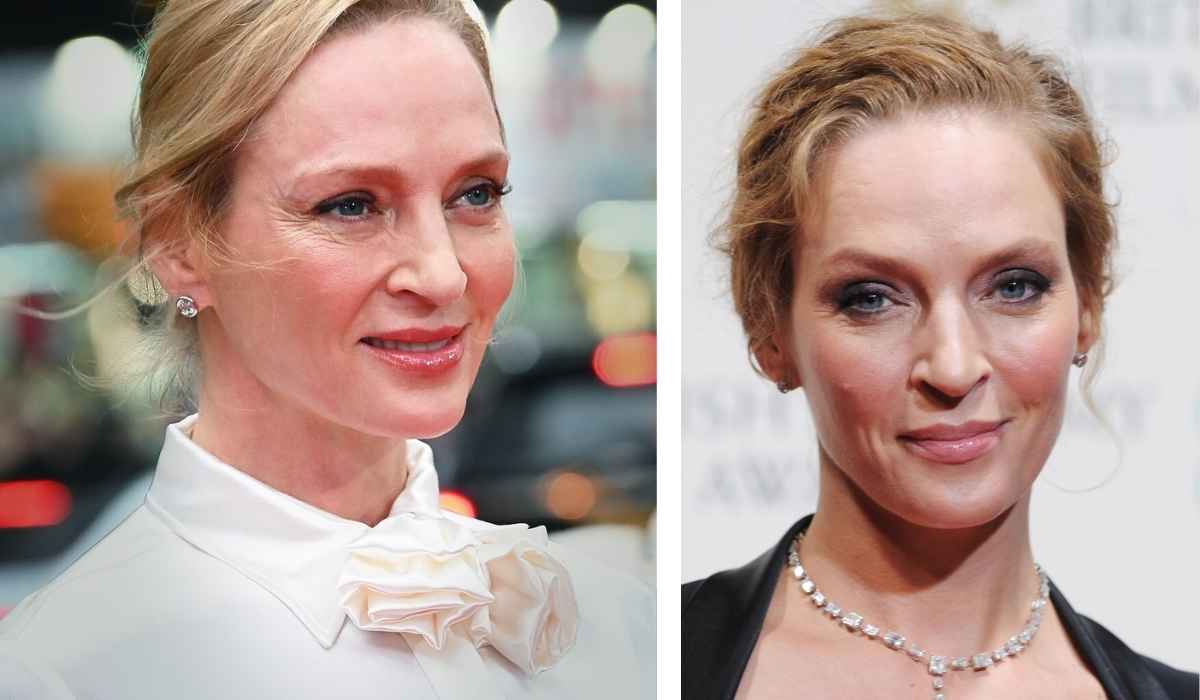
Uma Thurman stands as an absolute icon of modern cinema, globally celebrated for her striking presence, remarkable versatility, and unforgettable cinematic performances. Born in Boston, Massachusetts, she rose from high-fashion modeling roots to become one of the most distinctive and magnetic leading women in Hollywood history. Spanning over three decades, her legendary career encompasses an Academy Award nomination, a Golden Globe win, blockbuster action franchises, groundbreaking independent films, and a permanent place in pop culture history.
Introduction to the Screen Legend
The dynamic landscape of international film and television was permanently transformed when a uniquely tall, elegant actress stepped forward with unmatched dramatic intensity and fierce screen charisma. Long before Uma Thurman became a globally recognized household name and a Quentin Tarantino muse, she honed her craft through regional theater and early modeling work in New York City. This foundational period blended raw artistic vulnerability with an unmistakable visual magnetism that set a brand-new template for versatile leading women. Exploring these early origins highlights the dedication behind Uma Thurman and her meteoric rise to legendary status.
Intellectual Background and Artistic Family Roots

Long before walking glamorous red carpets or collecting major industry awards, the future star grew up in an unconventional, intellectually stimulating household. Born to a mother who was a model and psychotherapist and a father who was a notable professor of Indo-Tibetan Buddhist studies, she was exposed to diverse global cultures and philosophies from childhood. Her upbringing in Amherst, Massachusetts, and Woodstock, New York, fostered a deep appreciation for the arts and literature. These unique intellectual roots deeply grounded Uma Thurman, fueling her lifelong curiosity and unconventional approach to character selection.
Early Modeling Success in New York
Before conquering major Hollywood soundstages, the multi-talented artist caught the eye of high-fashion scouts while attending boarding school in Massachusetts, moving to New York City at just fifteen to pursue modeling. Signing with the prestigious agency Click Models, she quickly appeared on the covers of British Vogue and worked with top-tier photographers before transitioning fully into acting. This early exposure to the fashion world refined her striking physical grace and poise. High-fashion aesthetics laid an essential visual foundation for her future cinematic success.
Early Breakthrough in Dangerous Liaisons

The explosive turning point in her professional career arrived when she secured a breakout supporting role in Stephen Frears’ critically acclaimed period drama Dangerous Liaisons (1988). Portraying the naïve and impressionable Cécile de Volanges, she held her own alongside seasoned legends like Glenn Close and John Malkovich. Her nuanced performance showcased a surprising depth for an emerging young actress. This prestige period project introduced the unmistakable screen presence of Uma Thurman to international audiences and major studio casting directors.
International Stardom as Mia Wallace in Pulp Fiction
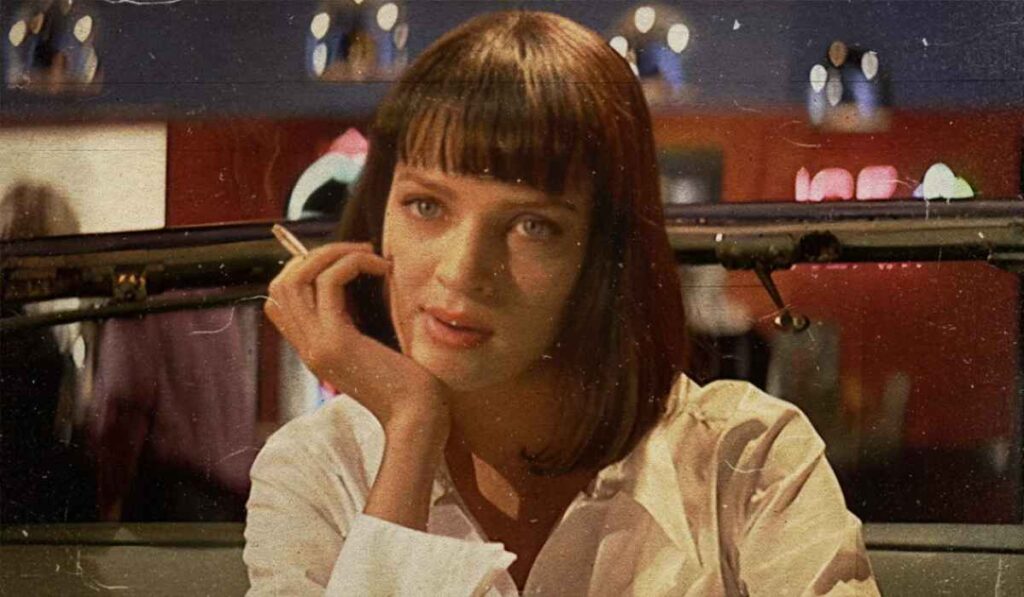
A monumental milestone in cinematic history occurred when she teamed up with visionary director Quentin Tarantino to star as Mia Wallace in the cultural phenomenon Pulp Fiction (1994). Rocking an iconic black bob and delivering effortless cool in every frame, her mesmerizing dance scene and magnetic chemistry anchored the film. The role earned her an Academy Award nomination for Best Supporting Actress. This explosive box-office triumph instantly elevated Uma Thurman to global superstardom and cemented her status as a generational style icon.
Stepping Into Blockbuster Sci-Fi with Gattaca
Proving her incredible range across conceptual science fiction, she headlined Andrew Niccol’s brilliant dystopian thriller Gattaca (1997) alongside Ethan Hawke. Portraying Irene Cassini, a genetically “valid” worker in a society obsessed with biological perfection, she brought elegance, emotional coldness, and underlying warmth to the futuristic narrative. The film became a critical darling and a revered cult classic. Such bold artistic choices ensured Uma Thurman remained respected across both high-profile studio tentpoles and intelligent psychological dramas.
Embracing Comic Book Villainy in Batman & Robin
Demonstrating her willingness to dive headfirst into campy comic book blockbusters, she stepped into the vibrant, neon-lit world of Joel Schumacher’s Batman & Robin (1997) as the eco-terrorist Poison Ivy. Clad in elaborate botanical costumes, she brought a delightfully theatrical, femme fatale energy to the comic book adaptation. Despite mixed critical reviews for the film itself, her villainous performance remains a standout piece of pop-culture camp. High-profile blockbusters expanded the global commercial reach of Uma Thurman.
Golden Globe Glory in Hysterical Blindness
Showing her immense talent for gritty, grounded television drama, she starred in and executive produced the acclaimed HBO film Hysterical Blindness (2002). Portraying Debbie Miller, a desperate woman searching for love in working-class New Jersey during the 1980s, she delivered a raw, fearless performance that stunned critics. Her powerful work earned her the Golden Globe Award for Best Actress in a Miniseries or Motion Picture Made for Television. Television mastery highlighted her incredible dramatic depth outside of major cinematic blockbusters.
Re Inventing Action Cinema as The Bride in Kill Bill
A seismic shift in her career occurred when she reunited with Quentin Tarantino to headline the martial arts masterpiece Kill Bill: Volume 1 (2003) and Kill Bill: Volume 2 (2004). Training rigorously in swordplay and martial arts for months, she created the legendary character Beatrix Kiddo (The Bride) seeking vengeance in a yellow tracksuit. The role earned her multiple Golden Globe nominations and global acclaim. Action cinema was forever revolutionized by the fierce physical dedication of Uma Thurman.
Musical and Comedy Success in The Producers
Expanding her repertoire into musical comedy, she starred as Ulla in Susan Stroman’s film adaptation of the hit Broadway musical The Producers (2005). Showcasing her comedic timing, singing voice, and glamorous screen presence alongside Nathan Lane and Matthew Broderick, she brought a breath of fresh air to the theatrical comedy. Collaborating effortlessly across diverse genres proved that Uma Thurman could transition smoothly from bloody martial arts epics to lighthearted, toe-tapping studio musicals.
Exploring Avant-Garde Cinema with Lars von Trier
Demonstrating her ongoing commitment to daring, boundary-pushing art house projects, she collaborated with controversial Danish auteur Lars von Trier on the explicit drama Nymphomaniac (2013). Delivering a searing, unforgettable monologue as a heartbroken Mrs. H., she stole her scenes with biting dark comedy and emotional ferocity. Working with uncompromising directors ensured Uma Thurman remained a celebrated figure in elite international film festivals and avant-garde cinematic circles.
Broadway Debut in The Parisian Woman
Away from Hollywood soundstages and global press tours, the celebrated actress made her official Broadway theatre stage debut in Beau Willimon’s political drama The Parisian Woman in 2017. Playing a clever socialite navigating Washington D.C.’s high-stakes political sphere, she brought poise, wit, and intense stage presence to live theater audiences night after night. Live performance dedication remains a quiet yet deeply meaningful pillar in the artistic life of Uma Thurman.
Expanding Into Prestige Television Anthologies
Continuing her successful transition into serialized television, she took on major roles in acclaimed streaming and cable projects like Imposters, Chambers, Super Pumped, and Suspicion. Bringing her trademark intensity and sophistication to television casts, she proved her ability to anchor mystery thrillers and corporate dramas with equal poise. Modern streaming platforms allowed Uma Thurman to captivate new generations of television audiences worldwide.
Philanthropic Activism and Children’s Rights
Amidst decades of blinding global fame, the legendary star has dedicated significant time, resources, and public attention to philanthropic causes and social advocacy. Actively involved with organizations like Room to Read, which promotes girls’ education in the developing world, and supporting environmental and human rights initiatives, she uses her powerful platform for positive global change. Philanthropic dedication reflects the deep empathy and grounded personal character of Uma Thurman off the screen.
Maintaining Privacy and Family Equilibrium
Amidst decades of intense media scrutiny regarding her high-profile career and personal life, the legendary star has carefully balanced public adoration with a protective family existence. Raising her three children—including fellow actress Maya Hawke—she shields her core personal circle from unnecessary tabloid chaos. Her refusal to compromise her artistic integrity while prioritizing loved ones has earned her deep respect across the entire entertainment industry. Authenticity and personal peace guide Uma Thurman away from flashbulbs.
Conclusion: The Enduring Legacy of Uma Thurman
Summarizing the remarkable life and legendary career of this cinematic giant reveals an artist who forever shaped the evolution of modern action, independent drama, and pop culture style. From her early high-fashion modeling days in New York to holding Golden Globe gold, Oscar nominations, and action franchise crowns, her journey embodies true artistic dedication. The brilliant combination of raw intelligence, creative fearlessness, and striking screen presence produced an unforgettable legacy. As long as people celebrate the magic of storytelling, the silver screen will shine with the brilliance of Uma Thurman.
Frequently Asked Questions
- Q: Where was Uma Thurman born and raised?
- A: She was born in Boston, Massachusetts, and grew up primarily in Amherst, Massachusetts, and Woodstock, New York.
- Q: For which film did Uma Thurman receive her Academy Award nomination?
- A: She received an Oscar nomination for Best Supporting Actress for Pulp Fiction (1994).
- Q: What is the name of Uma Thurman’s iconic character in the Kill Bill franchise?
- A: She played Beatrix Kiddo, also known as The Bride.
- Q: Which television project earned Uma Thurman a Golden Globe Award in 2003?
- A: She won the Golden Globe for her performance in the HBO film Hysterical Blindness.
- Q: Is Uma Thurman’s daughter also an actress?
- A: Yes, her daughter is actress and musician Maya Hawke.