

A heating problem rarely arrives at a convenient time. One evening, your home feels perfectly comfortable. The next morning, certain rooms are cold, the furnace makes unfamiliar noises, or warm air stops circulating altogether.
When these situations arise, searching for furnace repair near me is often the first step toward restoring indoor comfort. However, understanding what causes heating problems and how to recognize warning signs can help homeowners make better decisions.
Why Furnace Problems Develop Over Time
Most heating systems experience gradual wear rather than sudden mechanical failure. Components expand and contract during operation, filters collect dust, and electrical connections may deteriorate.
These changes can eventually interfere with normal heating performance.
Restricted Airflow
Proper airflow is essential for efficient heating. When air cannot move freely through the system, the furnace may overheat, cycle frequently, or struggle to maintain comfortable temperatures.
Common causes include clogged filters, blocked registers, and problems with the blower assembly.
Checking accessible filters and vents is a reasonable first step. Persistent restrictions require further investigation.
Thermostat Problems
Sometimes the furnace itself is functioning correctly, but the thermostat sends incorrect signals.
Inaccurate temperature readings, wiring issues, or improper settings can cause inconsistent heating.
Before requesting furnace repair near me, homeowners can confirm that the thermostat is set to heating mode and that its temperature setting is appropriate.
Aging Mechanical Components
Motors, bearings, ignition components, and other internal parts experience wear after repeated heating cycles.
As these components deteriorate, homeowners may notice unusual sounds, delayed startup, or unreliable operation.
Professional diagnosis can identify which component is responsible.
Signs That Your Furnace Needs Attention
Not every furnace problem causes an immediate shutdown. Some warning signs appear gradually.
Your Home Takes Longer to Warm Up
A properly functioning heating system should maintain indoor temperatures under normal operating conditions.
If heating takes noticeably longer than usual, restricted airflow or declining equipment performance may be responsible.
Heating Bills Increase Unexpectedly
Changes in weather and energy use can affect household consumption. However, a significant increase without an obvious explanation may indicate inefficient heating operation.
A system that runs longer than necessary can consume additional energy.
Strange Smells or Sounds Appear
A brief dusty smell when heating equipment starts after a long inactive period may occur. Persistent burning odors, smoke, or unusual combustion smells require immediate attention.
Grinding, scraping, and repeated banging sounds also deserve investigation.
These symptoms often encourage homeowners to search for furnace repair near me before further deterioration occurs.
What Happens During a Furnace Inspection?
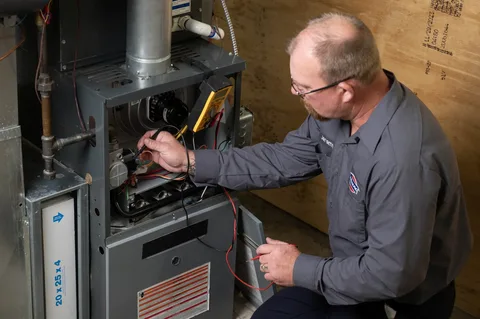
A qualified technician generally begins by discussing the symptoms and examining the equipment.
The inspection may involve checking thermostat operation, airflow, electrical connections, ignition components, and safety controls.
Identifying the Actual Cause
Several furnace problems produce similar symptoms. Weak airflow, for example, might result from a dirty filter, blower malfunction, or duct restriction.
Accurate diagnosis helps avoid unnecessary component replacement.
Checking Safe Operation
For combustion-based heating equipment, proper ventilation and safety-control operation are especially important.
Technicians may examine relevant combustion components and verify that the equipment operates within appropriate safety limits.
Homeowners should avoid attempting internal gas or electrical repairs themselves.
How to Find Reliable Local Heating Assistance
When looking for furnace repair near me, focus on technical qualifications, relevant experience, and clear communication.
A dependable professional should explain the suspected problem, describe the recommended corrective work, and answer reasonable questions.
Reviewing nearby furnace repair options can also help homeowners evaluate local availability and customer feedback.
Preventing Problems Before Cold Weather
Although unexpected failures remain possible, several simple habits support dependable operation.
Check air filters regularly, keep supply and return vents unobstructed, and pay attention to changes in heating performance.
Arrange a seasonal inspection before temperatures become consistently cold. Early attention allows potential problems to be addressed before the system experiences its heaviest workload.
Conclusion
Finding furnace repair near me becomes much easier when homeowners understand the warning signs of heating trouble. Uneven temperatures, unusual noises, poor airflow, and frequent cycling should never be dismissed.
With timely professional attention and consistent preventive care, homeowners can reduce avoidable interruptions, support safer operation, and maintain dependable warmth throughout winter.