

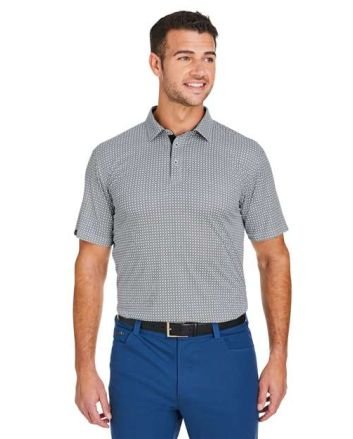
In hospitality, first impressions happen fast. A guest walking into a hotel lobby, a diner arriving at a restaurant, or a visitor entering a sports venue forms an opinion within moments. Much of that impression comes from the people who greet them, and much of how those people look comes down to what they wear.
Polo shirts have become a common uniform across hospitality and customer-facing roles. Hotel concierge teams, restaurant floor staff, golf club attendants, theme park employees, cinema staff, venue ushers and tour guides all wear them. The polo offers a balance that suits service work: neat enough to look professional, relaxed enough to feel approachable and comfortable enough for long shifts.
This article explores the role of polo shirts in hospitality and customer-facing teams, how guests, staff, and managers experience them, and what makes a polo uniform successful in service environments.
Understanding Hospitality Uniform Needs
Hospitality work places unique demands on clothing.
Constant Visibility
Customer-facing staff are always on display. Their clothing must look neat throughout a shift, not just at the start.
Physical Activity
Many hospitality roles involve standing, walking, carrying, lifting, and moving quickly. Clothing must allow free movement.
Varied Environments
Staff may move between kitchens, dining rooms, outdoor terraces, lobbies and event spaces, each with different temperatures.
Brand Representation
Staff represent the brand directly. Their uniforms communicate the style and standards of the business.
Polos address many of these needs, which explains their widespread use.
How Guests Experience Polo Uniforms
Identifying Staff
Guests need to know who can help them. A consistent polo in a recognizable color makes staff easy to spot in busy spaces.
Feeling Welcome
Polos strike a friendly, approachable tone. They feel less formal than suits or dress shirts, which can make guests more comfortable approaching staff.
Judging Standards
Guests often equate staff appearance with overall quality. Clean, well-fitted, matching polos suggest a well-run business.
Matching the Setting
Guests also notice whether uniforms suit the venue. A refined polo suits a golf clubhouse or boutique hotel, while a brighter, sportier polo suits a family attraction or casual restaurant.
How Staff Experience Polo Uniforms
Comfort Over Long Shifts
Hospitality shifts can be long and physically demanding. Staff value polos that breathe well, fit comfortably, and do not restrict movement.
Confidence and Professionalism
Wearing a smart, well-fitting uniform can help staff feel more confident in their role. A poorly fitting or worn-out uniform can have the opposite effect.
Practicality
Staff appreciate polos that resist stains, wrinkles and fading, reducing the effort needed to keep them looking presentable.
How Managers Experience Polo Uniform Programs
Supplying Large and Changing Teams
Hospitality businesses often have large teams, seasonal staff, and frequent turnover. Managers need a uniform that can be supplied quickly in many sizes.
Hotels, restaurant groups and venues that staff up for busy seasons often order bulk polo shirts in a standard style and color, keeping a reserve of common sizes so new and seasonal staff can be outfitted immediately rather than waiting for special orders.
Managing Budgets
Uniform budgets must cover initial issues, replacements and new hires. Polos offer a cost-effective option that still looks professional.
Maintaining Consistency
Across shifts, departments and locations, managers must keep uniforms consistent. Standardized styles, colors and logo placements make this easier.
The Role of Knit Construction
One of the most important factors in how a polo looks and performs is the knit used to make it.
Piqué Knit
Piqué is a textured knit with a slightly raised pattern. It looks traditional, holds its shape well and often hides minor wrinkles. Many classic polos use piqué.
Jersey Knit
Jersey is smooth and soft, similar to T-shirt fabric. Jersey polos feel lighter and more casual.
Fine and Interlock Knits
Some polos use finer knits that create a smooth, refined surface. These suit upscale hospitality settings.
Why Knit Choice Matters in Hospitality
The knit affects appearance, comfort and durability. A boutique hotel might choose a fine, smooth knit for a polished look, while a casual restaurant might prefer a classic piqué that hides wear. Hospitality groups comparing these options often browse wholesale knit polos across piqué, jersey, and finer constructions to find a fabric that matches both the venue’s style and the practical demands of a busy service floor.
Important Elements of a Hospitality Polo
Color
Dark colors hide stains and suit many venues. Brighter colors increase visibility in large or crowded spaces. Some businesses use different colors for different roles.
Fit
Offering men’s, women’s and unisex fits, along with a full size range, ensures staff look and feel their best.
Fabric Performance
Stain resistance, wrinkle resistance, and color retention help polos look good throughout demanding shifts.
Branding
Embroidered logos on the left chest are standard. Name embroidery can add a personal touch and help guests address staff by name.
Collar Quality
A collar that holds its shape makes a significant difference to how professional a polo looks.
Applying This Knowledge in Practice
Align Uniforms With the Brand
Consider the venue’s style, target guests and atmosphere. The polo should reflect the brand experience.
Consider Each Role
Front-of-house, back-of-house, management and outdoor staff may need different styles, colors, or fabrics.
Plan for Seasonal Staffing
Keep spare stock in common sizes ahead of busy seasons.
Establish Care Guidelines
Provide staff with clear washing instructions to keep polos looking consistent.
Set Replacement Standards
Define when a polo should be replaced, such as when it fades, stains or loses shape.
Hospitality Settings and Their Polo Needs
Different types of hospitality businesses use polos in different ways, and understanding these differences helps managers make better choices.
Hotels and Resorts
Hotels often use polos for roles such as concierge, guest services, pool attendants and recreation staff. Resorts in warm climates may favor lightweight, breathable fabrics, while city hotels may prefer refined knits and darker colors that suit a polished lobby environment. Name embroidery is common because it helps guests build a personal connection with staff during their stay.
Restaurants and Cafés
In restaurants, floor staff move constantly between tables, kitchens and service stations. Polos in stain-resistant fabrics and darker colors help them look neat through busy services. Casual restaurants may use brighter colors to reflect a lively atmosphere, while upscale venues may prefer subtle tones.
Sports Venues and Stadiums
Stadiums and arenas employ large numbers of ushers, ticket staff, concession workers, and guest services teams. Bright, distinctive polos make staff visible in crowds. Because staffing levels change dramatically between quiet days and major events, venues need a reliable supply of shirts in many sizes.
Golf Clubs and Leisure Centers
Golf clubs and leisure facilities often use polos that connect with their sporting identity. Clubhouse staff, pro shop teams and course attendants may wear refined polos that match the club’s colors and image.
Attractions and Tour Operators
Theme parks, museums, zoos, and tour companies use polos to make guides and attendants easy to find. These roles are often outdoors and active, so comfort and durability are especially important.
Events and Catering
Event caterers and temporary staffing agencies need uniforms that can be issued quickly to changing teams. Simple, consistent polos in neutral colors suit a wide range of events.
Common Mistakes in Hospitality Polo Programs
Choosing Fabrics That Show Stains
Light colors and absorbent fabrics can show stains quickly in food service environments.
Ignoring Fit Diversity
A limited size range can leave staff uncomfortable and looking unprofessional.
Inconsistent Reordering
Switching styles or suppliers can lead to mismatched uniforms across the team.
Neglecting Collar Quality
Collars that curl or lose shape quickly make even new polos look tired.
Overlooking Comfort
Uncomfortable uniforms can affect staff morale and performance.
Caring for Hospitality Polos
In many hospitality businesses, staff wash their own uniforms at home. Clear care guidance helps polos stay consistent across the team. Washing in cool water, avoiding bleach on colored shirts, turning polos inside out to protect embroidery and using low dryer heat all extend the life of a uniform.
Some larger venues and hotels launder uniforms centrally. In these cases, choosing fabrics that tolerate commercial laundering is important, as industrial washing can be harsher than home care.
Why Polo Uniforms Matter in Hospitality
In hospitality, staff are part of the product. Guests experience the business through the people who serve them. A thoughtful uniform helps staff feel confident, makes them easy to find and reinforces the brand at every interaction.
Polos have become a staple because they balance professionalism, approachability, comfort and practicality. When chosen and managed well, they contribute directly to a positive guest experience.
Conclusion
Polo shirts play a valuable role in hospitality and customer-facing teams. Guests rely on them to identify staff and form impressions of the business. Staff depend on them for comfort and confidence during long, active shifts. Managers use them to outfit large and changing teams consistently and cost-effectively.
Knit construction, fabric performance, fit, color and collar quality all influence how well a polo works in service environments. By aligning uniforms with the brand, planning for seasonal staffing, setting care and replacement standards and avoiding common mistakes, hospitality businesses can use polos to support both their teams and their guests.
FAQs:
Q1:Why are polo shirts popular in hospitality?
They look professional yet approachable, are comfortable for long shifts, carry logos well, and are cost-effective for large teams.
Q2: What is the difference between piqué and jersey polos?
Piqué has a textured knit that holds its shape and looks traditional, while jersey is smoother, softer, and more casual.
Q3:What color polos work best for restaurants?
Darker colors often work well because they hide stains, though some venues use brighter colors for visibility.
Q4:How can hospitality businesses manage seasonal staff uniforms?
Keeping spare stock in common sizes and using a standard style makes it easier to outfit seasonal staff quickly.