

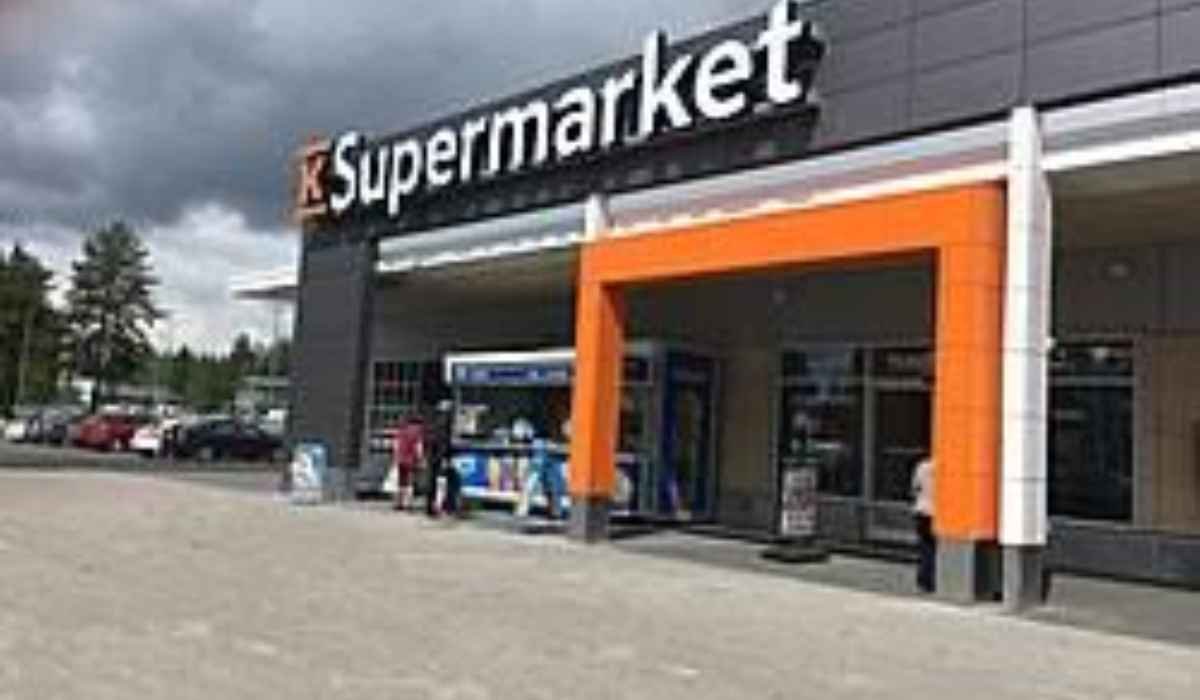
The word supermaked has started attracting attention from people searching for information about supermarkets, grocery shopping, modern retail businesses, and online shopping experiences. Although the term does not have one universally recognized dictionary definition, it is commonly associated with the familiar word supermarket and modern grocery retail concepts. Understanding its possible meaning helps readers explore how shopping habits are changing and why convenience, affordability, product availability, and customer satisfaction matter in today’s retail environment.
| Quick Information | Details |
|---|---|
| Keyword | Supermaked |
| Category | Grocery and retail-related term |
| Closest established word | Supermarket |
| Main association | Grocery shopping |
| Industry | Retail and consumer services |
| Common topics | Food, groceries, shopping, convenience |
| Online usage | Website and brand-style terminology |
| Official dictionary meaning | Not established |
| Primary purpose | Context-dependent |
| Related subject | Modern supermarket retail |
1. What Is Supermaked?
Supermaked is an unusual term that appears in online discussions about grocery shopping and modern retail experiences. It is closely associated with the established word supermarket, although its exact meaning depends on the context in which it appears. Some people use it as a spelling variation, while others associate it with a website or retail-related concept. Understanding this distinction is important because the term should not automatically be treated as the name of an established international supermarket chain.
2. Understanding the Meaning of Supermaked
The meaning of supermaked is not officially established in standard English dictionaries. However, its spelling closely resembles supermarket, which describes a large retail store offering groceries, beverages, household essentials, and other everyday products. In online content, the unusual spelling is sometimes used intentionally as a name. Therefore, readers should consider the original website, publication, or business context before deciding what the term represents.
3. The Connection Between Supermaked and Supermarkets
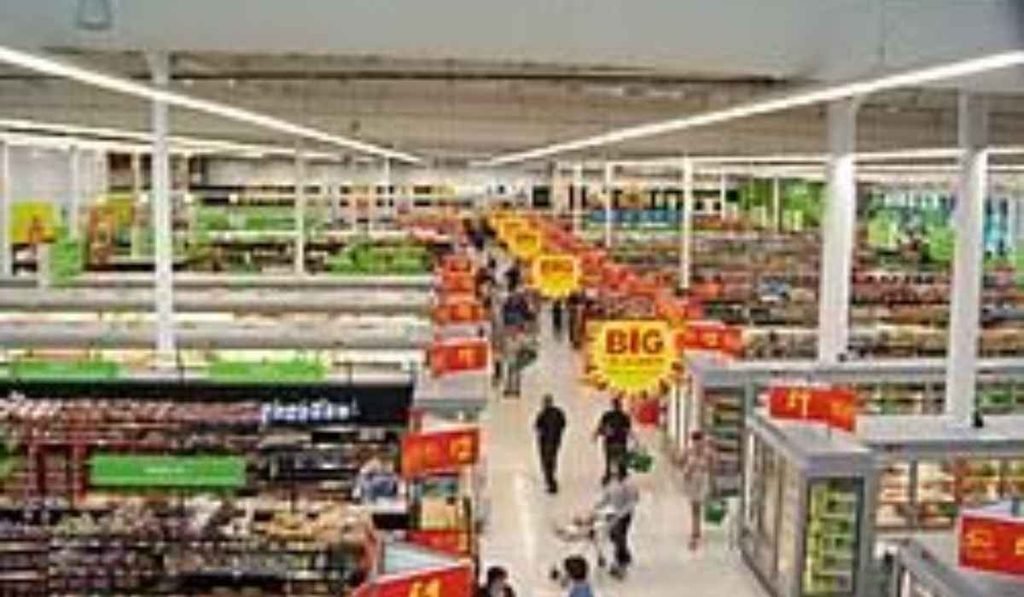
Supermarkets are important parts of modern communities because they provide convenient access to everyday necessities. Customers can purchase fresh vegetables, fruits, dairy products, packaged foods, cleaning supplies, and personal care items in one location. The term being discussed is frequently associated with these familiar retail activities. This connection makes grocery shopping an important subject when exploring its possible meaning and the wider changes taking place in the retail industry.
4. History and Development of Modern Grocery Shopping
Grocery shopping has changed significantly over several generations. Traditional markets once played a central role in providing fresh food and household necessities. Later, self-service stores introduced organized shelves, shopping carts, product labels, and standardized checkout systems. Eventually, larger supermarkets expanded product selection and improved convenience. Today, digital platforms and home delivery services continue transforming the experience, giving customers more ways to purchase essential products.
5. Why Is This Term Appearing Online?
Unusual keywords often attract attention because people want to understand their meaning and origin. Some individuals may discover the spelling while searching for supermarket information, while others may encounter it through websites or articles. Search engines can also display related suggestions when users enter unfamiliar expressions. This creates opportunities for informational content that explains terminology, distinguishes verified information from assumptions, and provides readers with useful background.
6. Main Features Associated With Modern Retail
Modern retail businesses generally focus on convenience, product variety, affordability, and customer service. Organized departments help shoppers locate products without unnecessary difficulty. Digital payment facilities can make transactions faster, while loyalty programs encourage returning customers. Many retailers also provide promotional offers and online ordering options. These features represent broader developments in grocery retail rather than independently verified services belonging to every business using the unusual keyword.
7. Importance of Convenience for Customers
Convenience is one of the biggest reasons people choose supermarkets instead of visiting several individual shops. Customers can purchase groceries, personal care products, cleaning materials, and household essentials during a single visit. Organized layouts and clear product labels also reduce shopping time. Convenient opening hours, accessible locations, and multiple payment methods make shopping easier for families, professionals, students, and older consumers.
8. Product Variety and Availability
Product variety plays an important role in customer satisfaction. A well-organized grocery retailer normally offers fresh produce, packaged foods, beverages, frozen products, dairy items, and household necessities. Having multiple brands and price options allows shoppers to compare products before purchasing. Reliable availability is equally important because customers expect their preferred everyday items to remain accessible. Effective stock management helps retailers meet these expectations.
9. Fresh Food and Quality Standards
Fresh food is an essential part of grocery retail. Customers generally SuperMaked expect fruits, vegetables, meat, dairy products, and bakery items to meet appropriate quality standards. Retailers need suitable storage conditions, regular inspections, and responsible handling procedures to maintain product freshness. Proper refrigeration and stock rotation also help reduce waste. These practices support customer confidence and encourage people to return to stores that consistently provide quality products.
10. Affordable Prices and Budget-Friendly Shopping
Price is an important consideration for households managing everyday expenses. Customers often compare different brands, package sizes, and promotional offers before deciding what to purchase. Discount programs and seasonal sales can help shoppers reduce their grocery bills. However, affordable prices should not come at the expense of food quality or product safety. Comparing prices and planning purchases are practical ways to manage shopping budgets.
11. Online Shopping and Digital Convenience
Online grocery shopping has changed how consumers purchase everyday products. Instead of visiting a physical store, customers can browse product categories, compare prices, and place orders using websites or mobile applications. Depending on the retailer, orders may be delivered directly to homes or prepared for collection. These services are particularly useful for busy households and people who prefer managing shopping activities from their devices.
12. Mobile Technology in the Retail Industry
Mobile technology has become increasingly important in modern retail. Shopping applications allow customers to browse products, check availability, receive promotional notifications, and manage orders. Digital receipts can also make it easier to review previous purchases. Retailers may use mobile services to improve communication and provide personalized recommendations. However, customers should always check application permissions and payment security before sharing personal information.
13. Digital Payments and Secure Transactions
Digital payment methods have made shopping transactions more flexible. Depending on the country and retailer, customers may use debit cards, credit cards, mobile wallets, contactless payments, or online banking services. These options can reduce the need to carry cash and simplify checkout procedures. Nevertheless, secure payment practices remain essential. Customers should use trusted payment systems, protect passwords, and avoid entering financial information on suspicious websites.
14. Customer Service and Shopping Satisfaction
Good customer service can make a significant difference in the shopping experience. Helpful employees assist customers with locating products, understanding promotions, and resolving problems. Clear return policies and responsive complaint departments also build trust. Customers generally appreciate retailers that listen to feedback and handle concerns professionally. Consistent service quality encourages loyalty and helps businesses maintain positive relationships with their communities.
15. The Role of Technology in Inventory Management
Inventory management helps grocery retailers maintain suitable product quantities. Modern systems can track incoming deliveries, monitor sales, and identify products that need restocking. Accurate inventory records reduce the possibility of empty shelves and unnecessary overstocking. Technology can also help businesses monitor expiration dates and organize storage facilities. These improvements support efficient operations while helping customers find the products they need.
16. Sustainability and Environmentally Responsible Shopping
Environmental responsibility is becoming an important consideration for retailers and consumers. Grocery businesses can reduce environmental impact by limiting unnecessary packaging, improving waste management, and supporting responsible sourcing. Customers can contribute by carrying reusable shopping bags, choosing products with less packaging, and avoiding unnecessary food waste. Sustainable practices benefit communities and encourage more responsible consumption habits.
17. Benefits for Everyday Consumers
Modern grocery retail provides several practical advantages for consumers. Customers can compare different products, access essential household supplies, and take advantage of promotional offers. Organized shopping environments make it easier to complete regular purchases. Digital services may provide additional flexibility for people with busy schedules. Although individual experiences vary, these developments demonstrate how retail businesses can make everyday shopping more accessible and manageable.
18. How Small Businesses Can Benefit
Small grocery businesses can learn from developments across the wider retail industry. Organized product displays, accurate pricing, friendly customer service, and reliable stock management can improve their competitiveness. Some businesses also benefit from social media marketing and online ordering facilities. Building strong relationships with local customers helps independent retailers maintain their identity while responding to changing shopping preferences and community requirements.
19. Shopping Habits of Modern Consumers
Consumer shopping habits continue changing as technology, household budgets, and lifestyles evolve. Some shoppers prefer visiting physical stores because they want to inspect products personally. Others value online ordering because it saves time. Many customers combine both methods depending on their needs. Understanding these different preferences allows retailers to develop services that provide flexibility without making the shopping process unnecessarily complicated.
20. Differences Between Traditional Markets and Supermarkets
Traditional markets and supermarkets both provide access to everyday products, but their shopping environments can be different. Traditional markets may offer locally sourced produce, direct interaction with sellers, and opportunities to negotiate prices. Supermarkets generally provide organized aisles, packaged products, standardized pricing, and multiple product categories. Both formats have advantages, and customer preferences often depend on location, budget, product quality, and personal convenience.
21. Challenges Facing the Modern Retail Industry
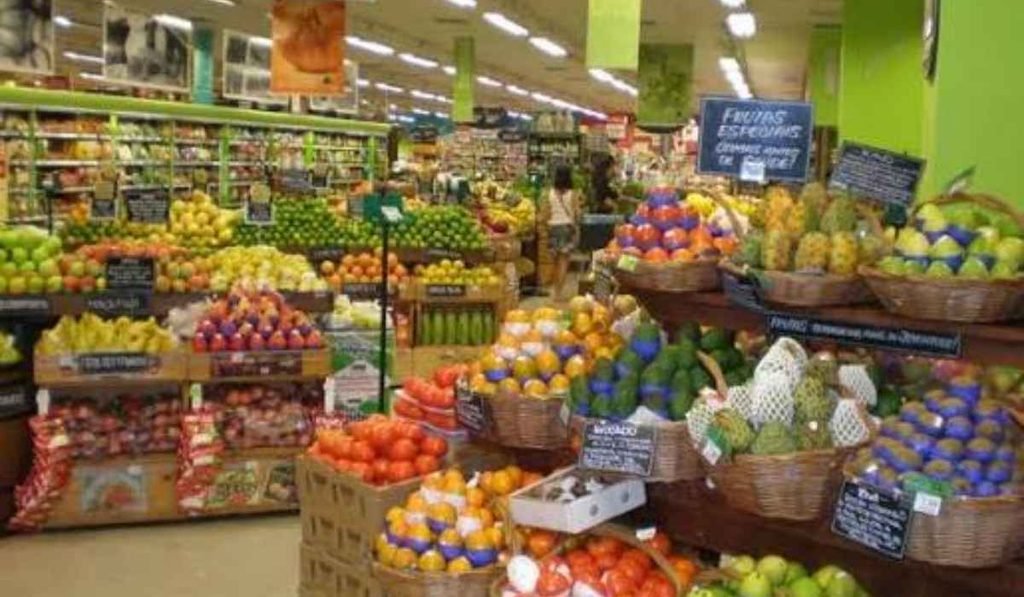
Retail businesses face several challenges, including changing consumer expectations, operating expenses, supply chain interruptions, and increasing competition. Maintaining fresh inventory can also be difficult because certain products have limited shelf lives. Businesses must balance competitive pricing with profitability while maintaining quality standards. Digital transformation introduces additional responsibilities involving cybersecurity, payment protection, and customer information management.
22. How to Identify Reliable Retail Websites
Customers should carefully evaluate websites before placing online grocery orders. A trustworthy retailer generally provides clear contact information, transparent pricing, understandable delivery policies, and secure payment options. Checking independent customer reviews can provide additional information about service quality. Shoppers should also examine refund procedures and avoid websites that request unnecessary personal details. These precautions help reduce the risks associated with online shopping.
23. The Importance of Product Information
Accurate product information allows customers to make informed purchasing decisions. Labels may provide details about ingredients, nutritional values, allergens, expiration dates, and storage instructions. Comparing this information can help shoppers select products according to their household requirements. Retailers should present product details clearly and avoid misleading descriptions. Transparency strengthens consumer confidence and supports responsible shopping decisions.
24. Future Developments in Grocery Retail
The future of grocery retail may involve more advanced digital services, automated inventory systems, improved delivery networks, and personalized shopping experiences. Artificial intelligence could help businesses forecast demand and organize product recommendations. Automated checkout technology may also reduce waiting times in some stores. However, successful innovation will depend on affordability, accessibility, privacy protection, and the ability to meet genuine customer needs.
25. Is Supermaked a Recognized Retail Brand?
It is important to distinguish an online name from a verified retail business. Supermaked is used as the name of an active website, but that alone does not establish the existence of a major supermarket company or an international network of physical stores. Readers should check official business records, published locations, ownership information, and verified contact details before accepting claims about a particular organization.
26. How to Research the Term Properly
Researching unfamiliar terminology requires comparing multiple sources rather than relying on one article. Readers can examine search engine results, official websites, established dictionaries, and relevant business directories. It is also helpful to distinguish statements made by a website about itself from information confirmed independently. This approach provides a more balanced understanding and reduces the possibility of repeating inaccurate claims.
27. Is This Term Useful for Online Searches?
Unusual search expressions can help people discover information about websites, terminology, and related subjects. However, searchers should consider whether they intended to find a grocery store or a specific online name. Using additional descriptive words can improve search results. For example, adding terms such as grocery shopping, retail website, local market, or online supermarket helps narrow the search and identify relevant information.
28. Tips for Better Grocery Shopping
Planning before visiting a grocery retailer can save both time and money. Make a shopping list based on household requirements and compare prices for frequently purchased products. Check expiration dates when purchasing fresh and packaged food. Avoid buying unnecessary items simply because they are discounted. Organizing purchases by category also makes shopping more efficient and helps prevent forgotten essentials.
29. Why Accuracy Matters When Discussing Unusual Keywords
Accurate information is essential when publishing content about unfamiliar online terms. Writers should avoid inventing founders, company histories, financial details, or physical locations without reliable evidence. If a term has multiple possible interpretations, explaining those differences helps readers understand the subject. Responsible research also improves the usefulness of online articles because visitors receive information that is clear, balanced, and supported by available evidence.
30. Final Thoughts on Supermaked
Supermaked is an unusual online term associated with supermarket-related searches, grocery shopping, and modern retail discussions. Its exact meaning is not universally established, so understanding the context is essential. The wider retail industry continues evolving through digital services, improved inventory management, convenient payment options, and customer-focused shopping experiences. Readers interested in learning about supermarkets can explore established reference materials, including the Wikipedia article about supermarkets, for additional historical and general information. Reliable research remains the best way to understand unfamiliar terms and distinguish established facts from online assumptions.
Frequently Asked Questions (FAQs)
1. What does Supermaked mean?
- It is an unusual online term commonly associated with supermarket-related searches, but it does not have one universally recognized dictionary definition.
2. Is Supermaked a real supermarket company?
- The name is used by an active website, but there is insufficient verified evidence to establish it as a major international supermarket chain.
3. Is Supermaked related to grocery shopping?
- Yes, online discussions frequently associate the term with supermarkets, groceries, local markets, and modern retail experiences.
4. Why are people searching for Supermaked?
- People may be looking for its meaning, investigating a website using the name, or searching for information about supermarkets and grocery shopping.
5. What is the difference between Supermaked and supermarket?
- Supermarket is the established English word for a grocery retail store, while Supermaked is an uncommon term whose meaning depends on its context.