

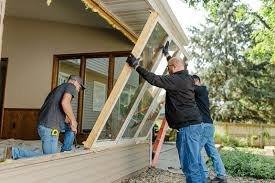
Replacing old windows is an important consideration for homeowners looking to improve their property’s appearance, comfort and energy efficiency. Whether renovating a traditional house or updating a modern property, choosing suitable replacement windows requires careful planning. One of the first questions most homeowners ask is how much the project is likely to cost.
Unfortunately, there is no fixed price for replacing windows. The total expense depends on several factors, including window dimensions, frame materials, glazing specifications, design choices and installation requirements. Even properties located in the same neighbourhood can have very different replacement costs because their windows may have different sizes, styles and structural conditions.
Understanding these factors before contacting suppliers can make the decision-making process considerably easier. Homeowners can explore available options, compare specifications and establish a realistic budget without rushing into a purchase. Digital tools, including a window price estimator, can also provide an initial indication of potential costs and help people prepare for the next stages of their renovation project.
Why Window Replacement Costs Vary Between Properties
Every property has its own requirements when it comes to window replacement. A small modern house with standard uPVC windows may require a relatively straightforward installation, while an older property with large timber sash windows could involve more complicated work.
The number of windows is only one part of the calculation. Their dimensions, opening mechanisms, glazing requirements and accessibility can all influence the final price.
For example, replacing several standard casement windows may be simpler than installing a large bay window with multiple sections. Similarly, properties with unusual architectural features may require made-to-measure products rather than readily available standard designs.
This is why homeowners should avoid relying on general price figures without considering their property’s specific requirements.
1. Window Dimensions and Overall Size
Window size is one of the most significant factors influencing replacement costs. Larger windows generally require more materials, including glass, frame components and supporting hardware.
A small bathroom window may have relatively simple manufacturing requirements, whereas a large living room window can involve considerably more glass and a stronger frame construction.
Custom dimensions can also affect pricing. Many older UK homes have window openings that do not match standard modern sizes. In such cases, manufacturers may need to produce windows according to individual measurements.
Accurate measurements are particularly important when requesting estimates. Homeowners should distinguish between the dimensions of the existing frame and the structural opening, as these measurements serve different purposes during replacement.
Digital estimation tools can make the initial process easier. By entering measurements or providing suitable photographs and drawings, users may be able to obtain a preliminary understanding of their window requirements.
2. Choice of Frame Material
The material used to manufacture window frames has a direct impact on the initial price, appearance and maintenance requirements.
uPVC Windows
uPVC is one of the most common choices for residential properties across the UK. It is generally affordable, resistant to moisture and relatively easy to maintain.
These windows are available in various colours and finishes, making them suitable for different architectural styles. Homeowners often consider uPVC when replacing older windows without significantly increasing their renovation budget.
However, quality can vary between manufacturers. Frame construction, hardware and overall product specifications should be considered before making a final decision.
Aluminium Windows
Aluminium frames are popular in contemporary properties because they offer a modern appearance and relatively slim profiles.
Their strength makes them suitable for larger glazed areas, where homeowners want to maximise natural light without using excessively thick frames.
Although aluminium options can have a higher initial price than basic uPVC products, they may be attractive to people who prioritise design, durability and a modern finish.
Timber Windows
Timber remains a preferred option for many traditional and period properties. Its natural appearance can complement older architectural features and help preserve the original character of a building.
However, timber windows may require regular maintenance, depending on the type of wood, protective treatment and environmental exposure.
For homeowners renovating listed buildings or properties in conservation areas, appropriate materials and designs may also be influenced by planning or heritage requirements.
3. Type of Glazing
The glazing specification is another important factor in determining the overall cost of replacement windows.
Double glazing is widely used in UK homes because it consists of two panes of glass separated by a sealed gap. This construction helps reduce heat transfer compared with traditional single glazing.
Some homeowners may also consider additional glazing features depending on their requirements.
Low-emissivity glass, for example, is designed to improve thermal performance by reducing heat transfer through the glazing. Acoustic glazing may be useful for properties located near busy roads, railway lines or other sources of external noise.
Triple glazing is another option, although its suitability depends on the building, budget and expected performance benefits.
The most expensive glazing option is not automatically the best choice. Homeowners should consider the property’s location, existing insulation and practical requirements before selecting a specification.
4. Window Design and Opening Mechanisms
The style of a window can influence both manufacturing and installation expenses.
Casement windows are among the most widely used designs in the UK. They are hinged at the side or top and can be opened to provide ventilation.
Sash windows are commonly found in traditional properties. Their sliding mechanism and design details can make them more complicated than standard casement alternatives.
Tilt-and-turn windows offer different opening positions, allowing homeowners to improve ventilation and access the glass for cleaning.
Bay windows are another design that may affect project costs. Their structure can involve several individual window sections arranged at different angles, making manufacturing and installation more involved.
When comparing designs, homeowners should consider how each option fits the building’s architecture and everyday requirements.
5. Installation Complexity
The condition and accessibility of the existing window openings can have a significant impact on the final replacement cost.
A straightforward installation involving standard-sized windows in good condition may require relatively little additional work.
However, older properties can present unexpected challenges. Damaged frames, deteriorating surrounding materials, uneven openings and previous installation problems may require additional attention.
The location of the windows also matters. Replacing windows on upper floors or in difficult-to-access areas may require specialist equipment or additional labour.
Homeowners should therefore ask installers whether their quotations include removing old windows, disposing of existing materials, preparing openings and completing internal or external finishing work.
Understanding these details helps prevent confusion when comparing prices from different suppliers.
6. Energy Efficiency and Window Performance
Many homeowners replace their windows because they want to improve indoor comfort and reduce unwanted heat loss.
Modern window systems can offer improved thermal performance compared with older or poorly maintained installations. However, the actual results depend on the complete window specification, installation quality and the property’s existing insulation.
Important considerations include the glazing type, frame construction, airtightness and thermal performance ratings.
A window with suitable specifications may help maintain more consistent indoor temperatures and reduce draughts. This can make living spaces more comfortable throughout the year.
However, homeowners should avoid assuming that new windows alone will solve every energy efficiency problem. Roof insulation, wall insulation, ventilation and heating systems also contribute to the overall performance of a property.
7. Number of Windows Being Replaced
The total number of windows naturally influences the overall project budget.
Replacing one damaged window is a different financial commitment from upgrading every window in a three-bedroom house.
Some suppliers may offer more competitive pricing for larger orders because manufacturing, delivery and installation can sometimes be organised more efficiently.
However, the exact savings depend on the supplier, product selection and project requirements.
Homeowners considering a complete replacement should prepare a list of all the windows involved. Recording their approximate dimensions, locations and preferred styles can make it easier to obtain comparable quotations.
A window price estimator can also help organise early planning by providing an indication of how different window specifications may affect the overall budget.
8. Additional Features and Customisation
Custom features can influence the price of replacement windows.
Decorative glass, coloured frames, specialist finishes, security hardware and customised handles may all add to the cost.
Some homeowners prefer simple white frames because they suit many property styles and are generally straightforward to maintain. Others may choose wood-effect finishes or different colours to complement external doors and architectural details.
Security features are another consideration. Suitable locking systems and quality hardware can contribute to a window’s overall performance.
The best approach is to identify which features are genuinely important rather than adding every available option.
How to Estimate Window Replacement Costs More Effectively
Before requesting a final quotation, homeowners can take several practical steps to understand their likely expenses.
First, make an inventory of the windows that need replacing. Record their approximate dimensions, locations and existing styles.
Second, decide which frame materials and glazing specifications are worth considering. Researching these options beforehand makes supplier discussions more productive.
Third, explore digital estimation tools. A window price estimator can provide a useful starting point by helping homeowners understand how different specifications and measurements may influence potential costs.
Some modern platforms also support photograph or drawing uploads, which can simplify the early measurement process. Nevertheless, digitally generated measurements should be checked before manufacturing or installation decisions are made.
Finally, request detailed quotations from suitable installers. Make sure each quotation clearly explains what is included, particularly product specifications, installation labour, removal charges and any additional work.
Comparing Quotations Before Making a Final Decision
Receiving several quotations is useful, but the cheapest figure should not automatically determine the final choice.
Two quotations may appear similar while covering different products or services. One supplier might include higher-performance glazing and installation, while another may provide a lower-cost product without certain additional services.
Homeowners should compare the following details:
- Frame material, colour and finish.
- Glazing type and thermal specifications.
- Window dimensions and opening mechanisms.
- Installation labour and removal charges.
- Warranty terms and after-sales support.
- Estimated project completion time.
It is also sensible to check the supplier’s experience, customer reviews and relevant installation credentials.
A detailed comparison provides a clearer understanding of what each company is offering and helps homeowners avoid unexpected expenses.
Conclusion
Window replacement costs depend on much more than the number of windows being installed. Dimensions, frame materials, glazing specifications, design choices, installation complexity and additional features all contribute to the final price.
Understanding these factors makes it easier for homeowners to select suitable products and prepare a realistic renovation budget. Digital estimation tools can simplify the early stages of research by helping users explore different options before requesting professional quotations.
A window price estimator is particularly useful as an initial planning resource, allowing homeowners to consider how measurements and product specifications may influence their potential expenditure.
Ultimately, the best replacement window project is not necessarily the cheapest one. Choosing suitable materials, comparing detailed quotations and ensuring professional installation can help homeowners make a more informed investment in their property.